



18th Century Table Decor
These 18th century table decor pieces bring period elegance to a room, offering genuine historical character for a collector.
18th Century Table Decor
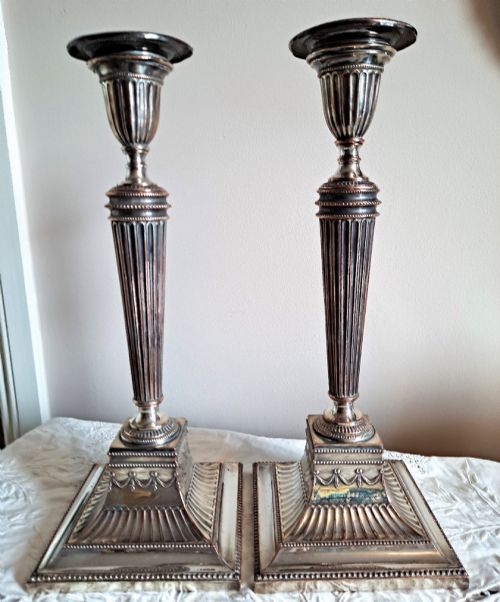
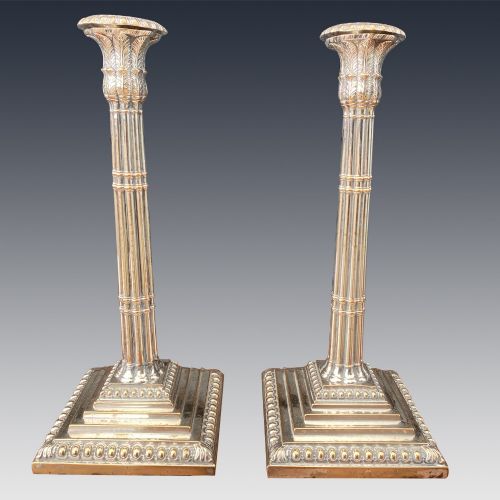
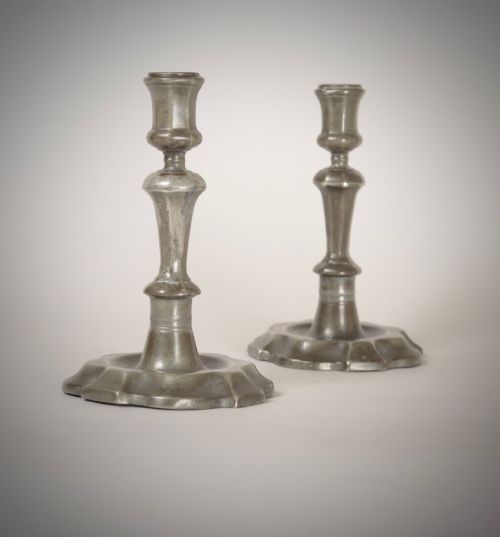
Candlesticks form the largest group on this page, appearing in pairs or sets of four. These lighting pieces reflect the formal domestic arrangements of eighteenth-century interiors.
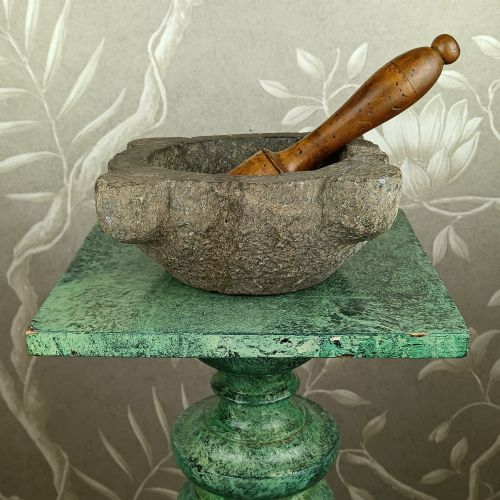
Miniature table globes and decorated side tables occasionally appear to broaden the definition of table decor. These pieces demonstrate the varied ways historical households displayed learning and craftsmanship.
How They Were Made
Metalworkers utilised brass, paktong, pewter and silver to cast and shape candlesticks with columns and sockets. These metals provided both durability and a reflective surface for candlelight in dimly lit rooms.
Cabinetmakers constructed furniture pieces using mahogany, applying decorative elements such as brass paterae to enrich the wood surfaces. Paper and specialised materials were employed in the construction of miniature globes.
18th Century Table Decor Retail Price Guide 2026
Typical asking prices for 18th century table decor among the pieces listed under this phrase on Sellingantiques today, from the lower quarter to the upper quarter. They describe what is for sale here now, not the wider market.
Miniature table globes allowed eighteenth-century owners to spin the entire known world while sitting quietly over their tea.
What Varies in Quality
Quality rests upon the crispness of casting detail in metal candlesticks and the refinement of the turned columns. Superior examples display balanced proportions and careful finishing by the maker.
In wooden furniture and globes, the sophistication of the joinery and the survival of original decorative details dictate the standing of a piece within the range.
John Cafe
The 18th Century Table Decor Glossary
- Paktong
- A copper-nickel-zinc alloy resembling silver, often used for high-status eighteenth-century candlesticks. This bright metal offered an alternative to traditional brass.
- Georgian
- The architectural and decorative style spanning the reigns of the first four Georges. It encompasses the dominant aesthetic of the pieces found in this category.
- Paterae
- Circular ornamental motifs carved or applied in relief to furniture pieces. They appear on late eighteenth-century mahogany side tables.
- Rococo
- An ornate artistic style characterised by asymmetrical curves and scrollwork. Italian iterations of this aesthetic influence silver candlestick design.
18th Century Table Decor: Frequently Asked Questions
What defines 18th century table decor?
These pieces comprise lighting items, small globes and decorative furnishings designed for placement on surfaces during the Georgian period. They served practical domestic functions while displaying the material tastes of the era.
Brass candlesticks dominate the selection, accompanied by examples in silver, paktong and pewter. Miniature globes and decorated tables expand the category into broader decorative arts.
How were brass candlesticks used?
Candlesticks provided essential illumination in domestic interiors before the advent of gas lighting and electricity. Pairs and sets were positioned on tables, mantlepieces and sideboards to light rooms.
Servants regularly polished the metal surfaces and replaced wax candles to maintain their appearance and utility. Their portability allowed them to be carried between rooms as needed.
How do I care for antique metal decor?
Metal objects require minimal intervention to preserve their historic surfaces and patinas. Gentle dusting with a soft cloth prevents the accumulation of grime without removing age-related wear.
Avoid aggressive commercial polishes that strip away historical patination on brass, paktong and silver. Maintaining stable indoor humidity protects both metal and associated wooden components.
How do I identify Georgian candlesticks?
Georgian candlesticks display characteristic casting techniques, weight and column profiles specific to the eighteenth century. Examining the construction of the base and socket reveals period manufacturing methods.
Maker marks, where present, help pinpoint the origin and workshop of the piece. Stylistic markers such as Rococo curves or Georgian proportions further assist in dating.