
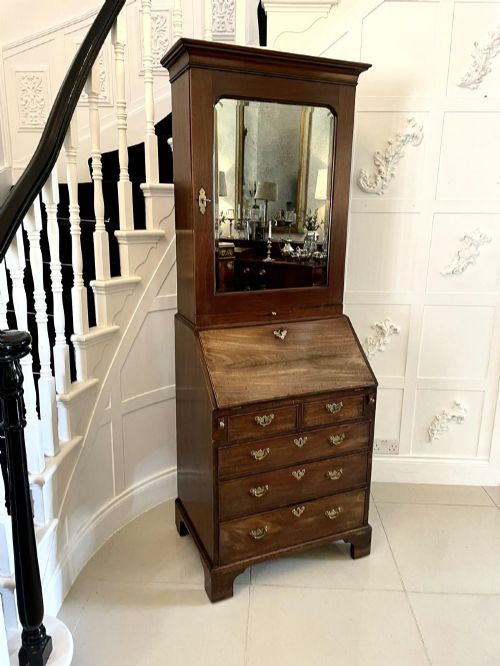


18th Century Bureau Chest
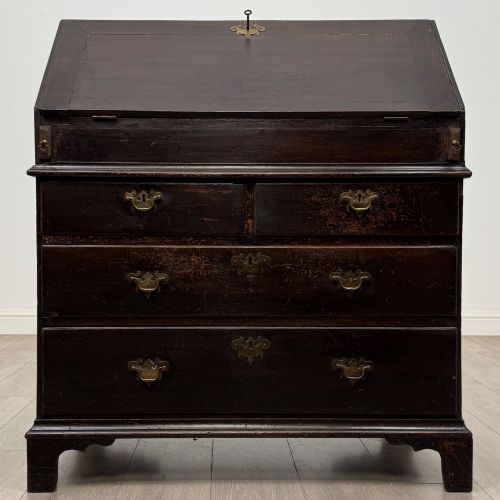
An 18th century bureau chest brings together cabinet work and a writing surface, offering fitted drawers and a drop-down desk for daily correspondence.
18th Century Bureau Chest
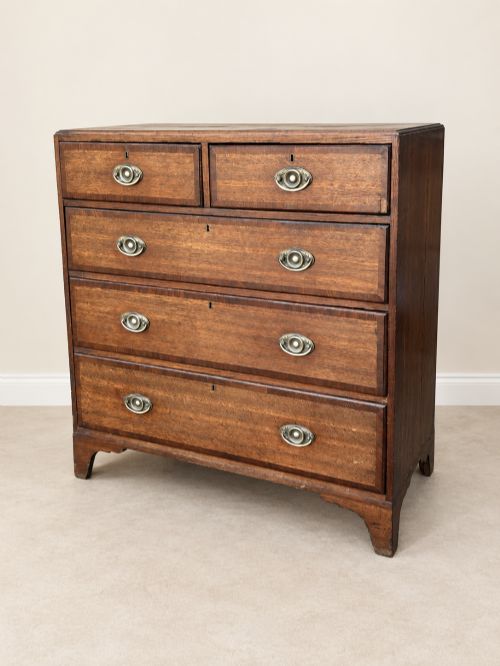
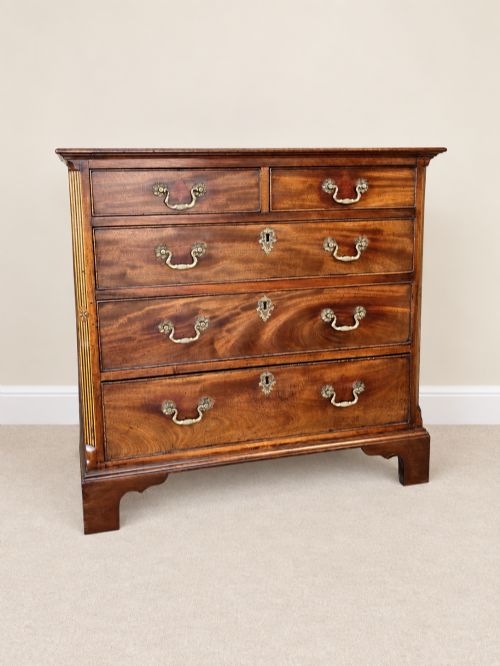
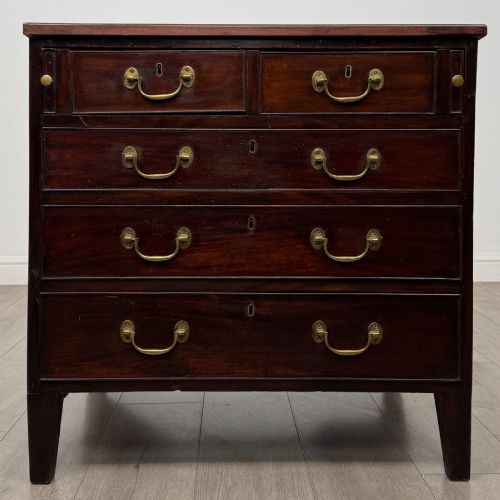
When buyers search for an 18th century bureau chest, they encounter a range of forms that combine storage drawers with writing compartments. The pieces on this page span the 18th century, Georgian, George II, and George III periods, alongside later walnut and mahogany examples.
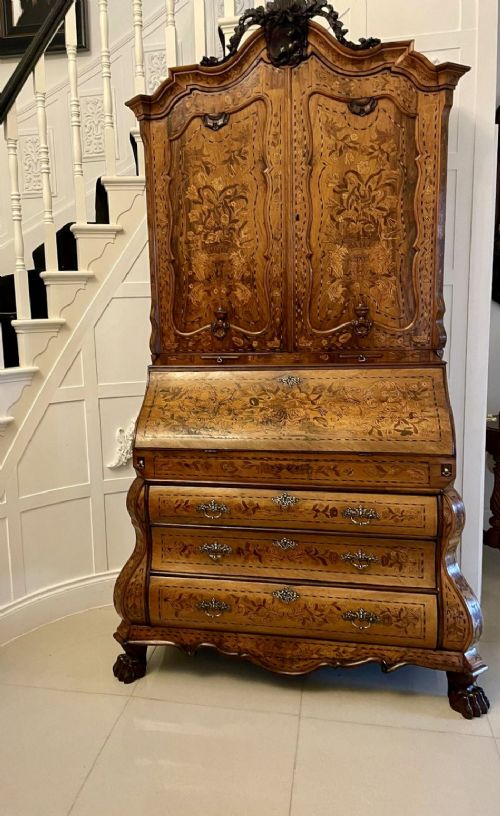
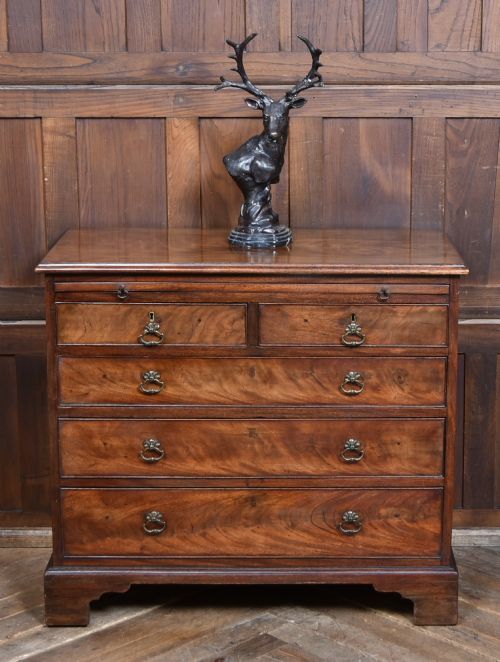
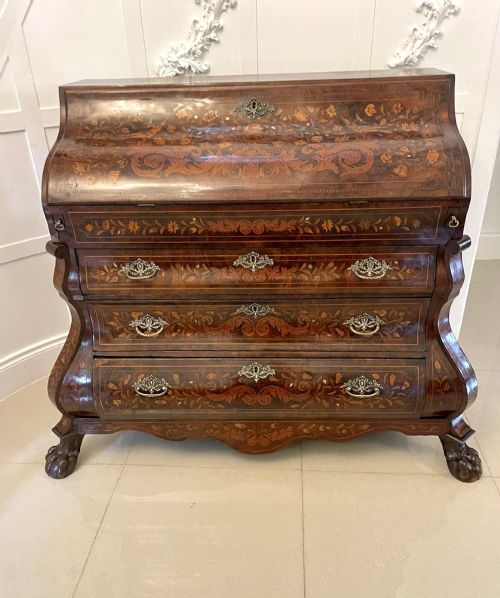
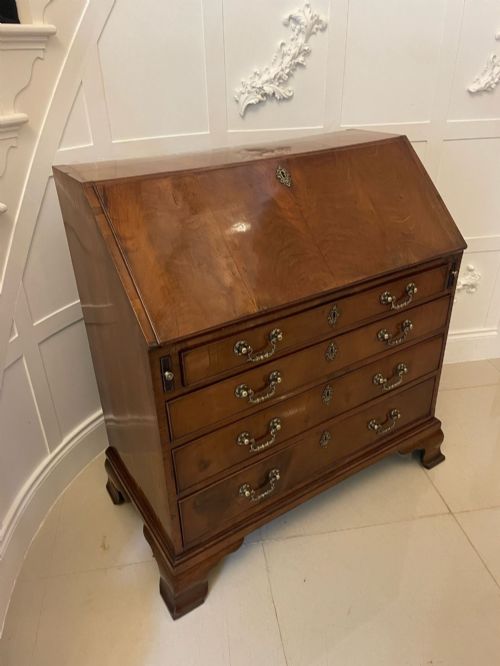
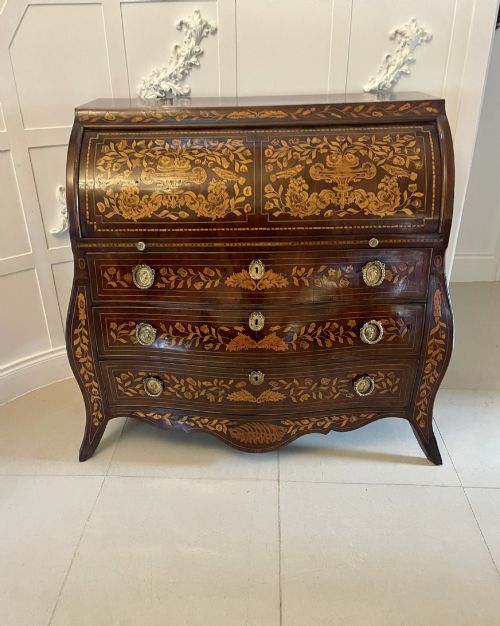
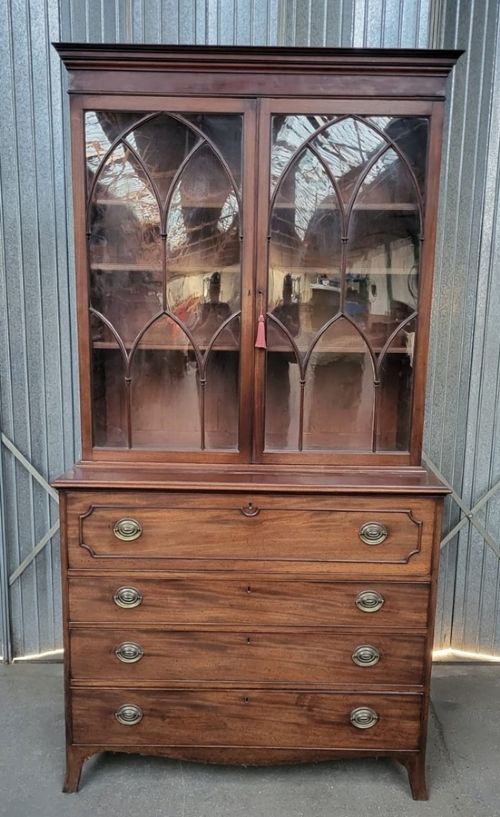
The most common versions on this page are mahogany and walnut bureaux, alongside chest of drawers variants featuring fitted writing desks or brushing slides. Bureau bookcases and bombe-shaped desks also appear, showing Dutch baroque and marquetry influences.
Origin variations include English, French, and Dutch pieces, constructed in oak, fruitwood, yew, and satinwood. Buyers also find bachelor writing chests and kneehole desks fulfilling the same dual purpose of storage and writing.
Materials and Construction
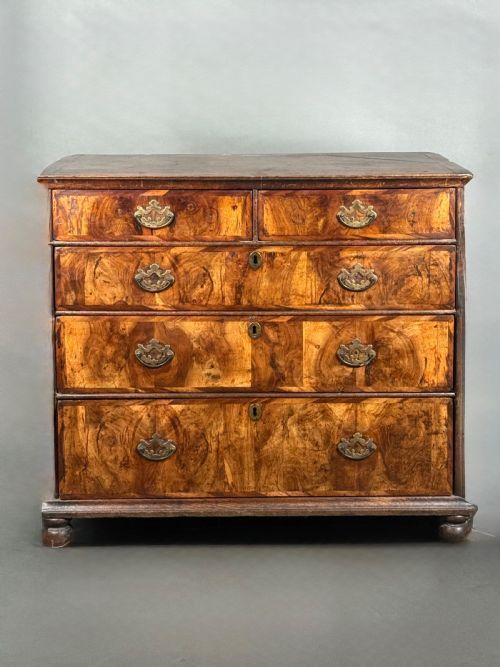
Cabinet makers utilised dense hardwoods like mahogany and walnut, frequently selecting figured veneers and burr walnut for primary surfaces. Oak and fruitwood served for secondary carcases and internal drawer linings.
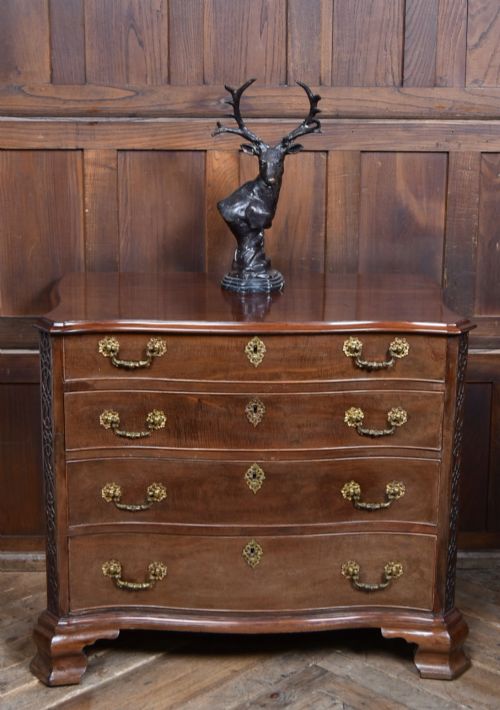
Decorative techniques recorded in the listings include floral marquetry inlay, parquetry, geometric mouldings, and serpentine shaping. Bombe forms required skilled shaping of solid timber and veneer to achieve rounded profiles.
Hardware consists of brass handles, escutcheons, and original brasses paired with leather writing inserts. Glass appears in the upper doors of bureau bookcases.
Listings span the 1700s through the George periods, utilising mahogany, walnut, burr walnut, oak, fruitwood, satinwood, brass, leather, and glass.
Assessing Quality and Execution
Quality rests on the selection of timber veneers, such as figured walnut or mahogany, and the precision of floral marquetry and parquetry. Superior examples display continuous grain matching across drawer fronts and crisp execution of geometric mouldings.
Internal joinery defines the standard of a bureau chest, particularly the arrangement and execution of fitted interior small drawers and pigeonholes. The integration of functional elements like brushing slides and secret compartments requires exact carpentry.
The survival of original brass hardware, stable serpentine or bombe body contours, and untouched patination elevate certain pieces. Minor alterations to feet, handles, or interior fittings alter the standing of a desk.
Thomas Chippendale
The 18th Century Bureau Chest Glossary
- Bureau
- A sloping desk with a hinged flap that opens to reveal a fitted interior of small drawers and pigeonholes. It sits atop a chest of drawers.
- Brushing slide
- A pull-out shelf located above the top drawers used for writing or brushing clothes. It provides a temporary surface without opening the main desk flap.
- Marquetry
- Decorative inlay work using various coloured woods to form floral or geometric patterns on furniture surfaces. This technique appears on Dutch and English cabinet work.
- Bombe
- A swelling, outward-curved contour found on the front and sides of furniture. It requires advanced cabinet making skill to execute in solid wood and veneer.
- Escritoire
- A tall writing cabinet or desk featuring a fall-front writing surface enclosing small drawers. They date to the early 18th century.
18th Century Bureau Chest: Frequently Asked Questions
How do I identify a George III bureau?
George III pieces date from the second half of the 18th century and frequently utilise solid mahogany or mahogany veneers. They often feature bracket feet, brass drawer handles, and fitted internal compartments.
Cabinet work from this era ranges from straightforward rectangular carcases to serpentine or bow fronted chests with integrated writing slides.
Where were these bureau chests made?
The listings show pieces originating from England, the Channel Islands, France, and the Netherlands. English examples rely heavily on mahogany and walnut.
Continental pieces frequently display Dutch marquetry, floral inlay, parquetry, and bombe shaped profiles executed in walnut or fruitwood.
What woods were used in 18th century desks?
Makers of the 18th century primarily worked with mahogany, walnut, burr walnut, and oak. Secondary timbers such as fruitwood and deal appear in drawer linings and internal divisions.
Specialist pieces incorporate satinwood, yew wood, and intricate marquetry veneers composed of multiple contrasting timbers.