




18th Century British School
An 18th century british school painting brings the presence of Georgian sitters and landscapes directly onto your walls through period oil and watercolour.
18th Century British School
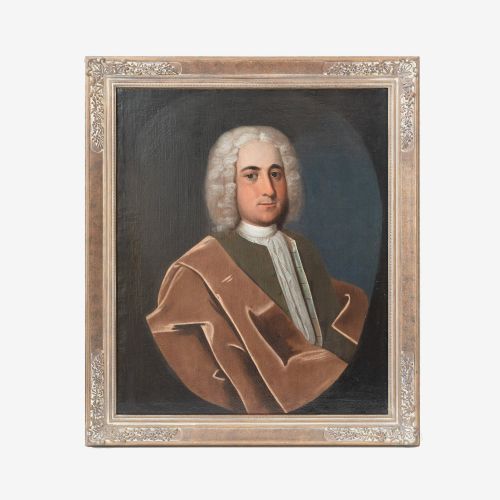
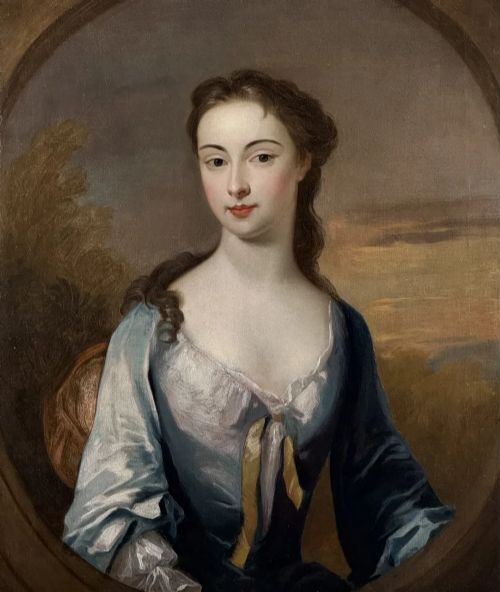
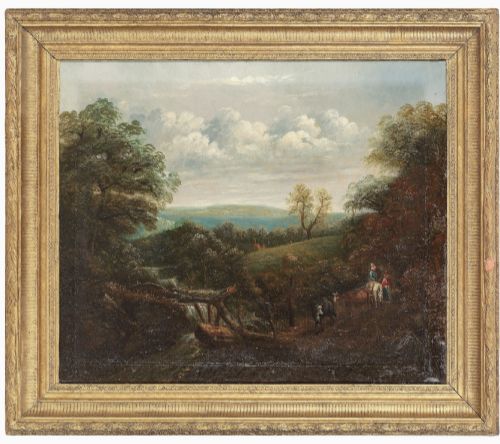
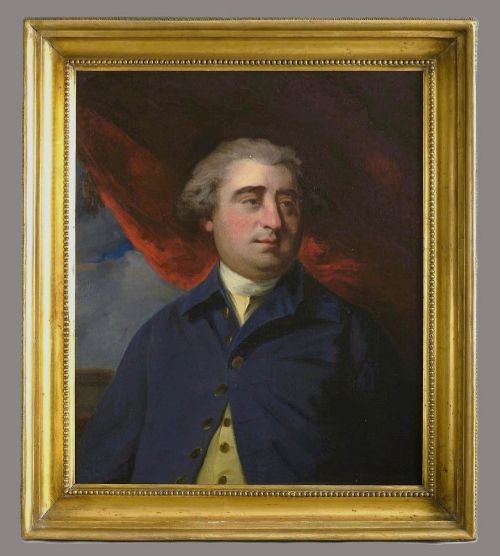
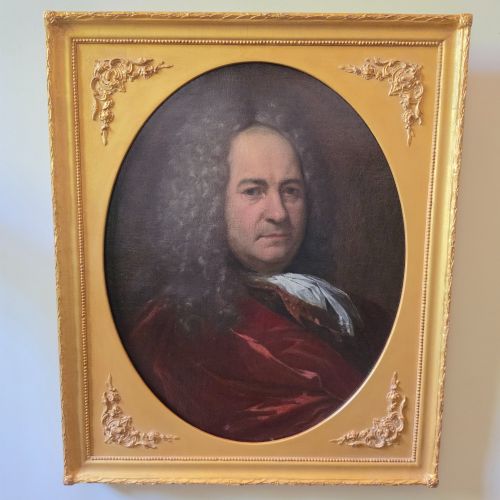
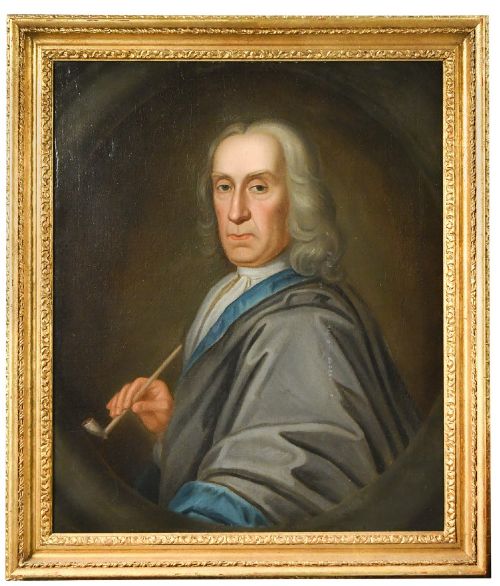
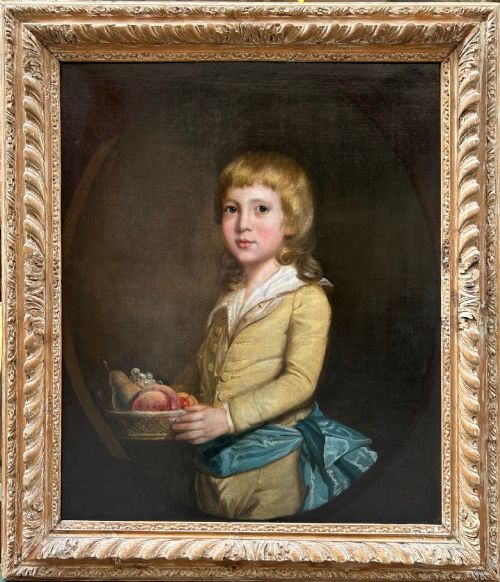
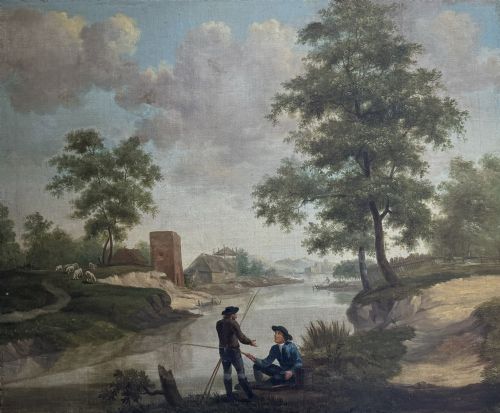
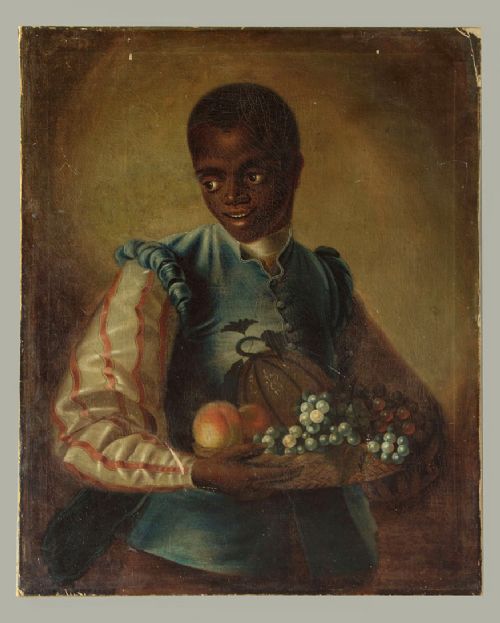
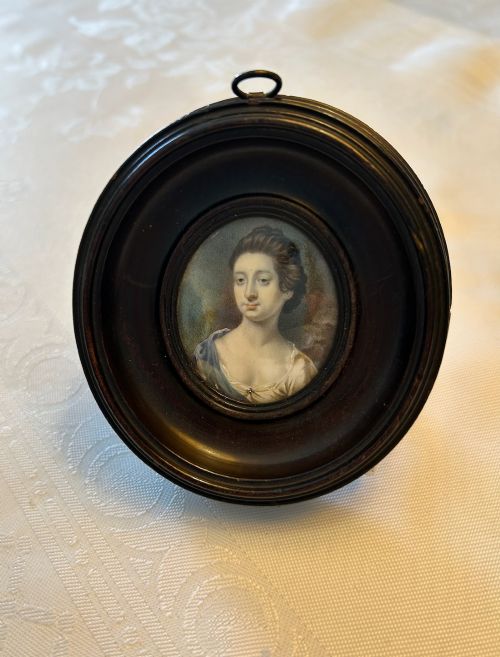
When you search for 18th century british school, you encounter historic oil paintings, watercolours, and portrait miniatures depicting notable sitters, rustic families, and rural landscapes. The most common survivals on this page are oil on canvas portraits executed by named masters, studio circles, or anonymous regional hands.
These works span the Georgian and Regency eras, recording the likenesses of merchants, children, and officers alongside pastoral scenes. Many pieces retain their period frames, ranging from simple mouldings to heavy giltwood designs that complement the canvas.
The selection also includes conversation pieces and topographical studies on panel, paper, or board. These varied formats provide a comprehensive view of domestic artistry from the seventeen-hundreds through to the early nineteenth century.
Materials and construction
Artists of this era applied oil paint or watercolour onto prepared canvas, oak panels, paper, or board. The pigments were mixed with oils to achieve depth in garments and facial tones, whilst watercolours captured lighter atmospheric effects in landscape studies.
Canvases were stretched over wooden frames and secured with handmade tacks, often bearing the marks of period lining or original stretcher bars. Frames were frequently carved from wood and finished with layers of gesso and giltwood to house the artwork securely.
The inventory records portrait miniatures alongside large landscape and conversation piece paintings.
Assessing quality
The distinction between standard studio output and premier work rests upon the sensitivity of the brushwork and the anatomical accuracy of the sitter. Superior portraits capture psychological depth and texture in fabrics like silk and lace, whereas lesser examples rely on formulaic drapery and stiff postures.
The survival of the original surface condition and untouched pigment layers greatly influences the standing of a piece. Works that retain their early varnish and contemporary frames present a more complete historical document than heavily restored surfaces.
Sir William Beechey·Charles Jervas·Benjamin Barker of Bath·Sir Joshua Reynolds·Sir Allan Ramsay·Thomas Beach·Trajan Hughes·William Jones of Bath·Thomas Gainsborough·John Hoppner·Amos Green·George Lambert·Thomas Murray·Enoch Seeman·Sir Godfrey Kneller·Thomas Hudson·Robert Byng·John Russell·Francis Alleyne·Henry Edridge·Edward Penny·Dr Thomas Monro·John Giles Eccardt·Anthony van Dyck·Sir Thomas Lawrence
The 18th Century British School Glossary
- Oil on canvas
- A traditional painting medium where coloured pigments are suspended in a drying oil and applied to a woven fabric support. This combination allows for rich colour blending and lasting durability.
- Portrait miniature
- A small, highly detailed painting, often executed on vellum, card, or ivory, designed for intimate viewing or portable display. These works capture likenesses with remarkable precision on a reduced scale.
- Giltwood
- Timber, often carved moulding or framing, coated with a thin layer of gold leaf over gesso. It provides a reflective and decorative border that enhances the artwork within.
- Conversation piece
- An informal group portrait depicting family members or friends interacting in a landscape or domestic interior. This genre was particularly popular in British art during the Georgian period.
- Attributed to
- A term used when a work is considered by experts to be the product of a specific artist based on stylistic evidence, though lacking absolute documentation. It denotes strong stylistic ties to a named hand.
18th Century British School: Frequently Asked Questions
How should I hang an antique oil painting?
Secure the piece using appropriate wall fixings that match the weight of the canvas and its heavy giltwood frame. Position the artwork away from direct sunlight and heat sources to protect the oil paint from premature cracking.
Ensure the hanging height allows comfortable eye-level viewing of the sitter or landscape. Using a dual-point hanging system helps keep the heavy frame stable against the wall over time.
How do I care for 18th century canvas?
Dust the surface and the carved frame gently with a dry, soft, lint-free brush to prevent particulate buildup. Avoid using water, household cleaners, or chemical solvents on the delicate oil paint.
Maintain stable indoor humidity and temperature levels in the room where the painting hangs. Dramatic environmental shifts can cause the historic canvas and wooden panel substrates to warp or become brittle.
What defines the British School style?
The British School encompasses portraiture and landscape works produced in Britain by native or resident artists over several centuries. It is characterised by a focus on naturalistic likeness, pastoral scenery, and detailed recording of social status.
Works often reflect the shifting artistic influences of European Baroque traditions adapted to British tastes. Portraiture from this tradition ranges from formal aristocratic commissions to intimate representations of children and servants.
How do I identify the period of a portrait?
Examine the sitter's costume, wig style, and accessories, which followed strict fashion trends of the Georgian and Regency eras. Lace collars, blue silk gowns, and military uniforms provide clear chronological markers for dating the canvas.
Inspect the stretcher frames, canvas weave, and framing materials for period manufacturing techniques. Handwritten inscriptions or labels on the reverse of the panel often supply additional clues regarding the sitter and date.