

18th Century Brass
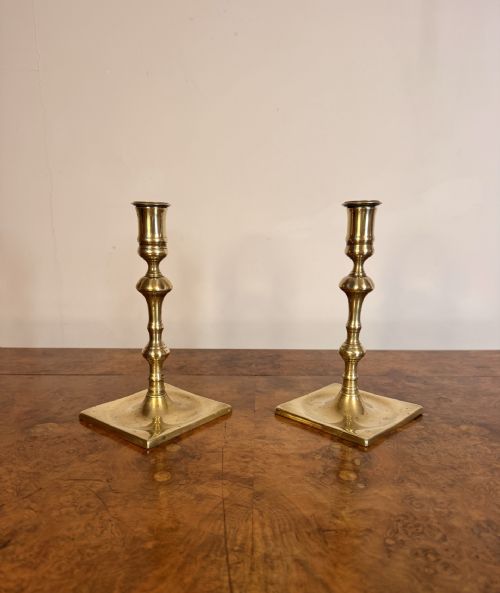
18th century brass brings utilitarian brilliance and domestic ritual into a room through processional crosses and clock dials.
18th Century Brass
Buyers searching for 18th century brass encounter functional and ritual metalwork anchored in the Georgian era and the seventeen-hundreds. The metal appears on this page primarily in devotional and timekeeping contexts, such as processional crosses and dial wall clocks.
These items originate from distinct British and European workshops where metal was cast and finished by hand for daily use or church ceremony. The survival of these pieces depends on the robustness of their alloy and the specific purpose they served in period interiors.
While the wider listings show substantial wooden furniture and chests, the metal objects stand apart through their deliberate application for utility and spiritual procession. Each piece reflects the metallurgical techniques and domestic priorities of the Georgian period.
Material construction and technique
Items rely upon cast brass components shaped through traditional foundry methods common to the seventeen-hundreds. Makers utilised copper and zinc alloys to create durable objects capable of sustaining intricate surface detail and repetitive mechanical movement.
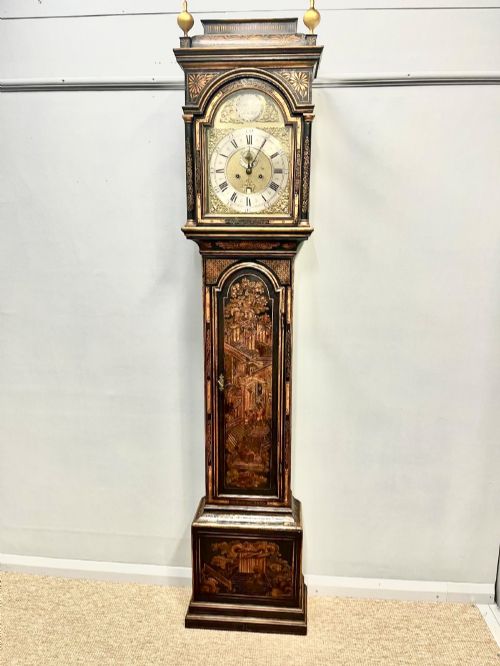
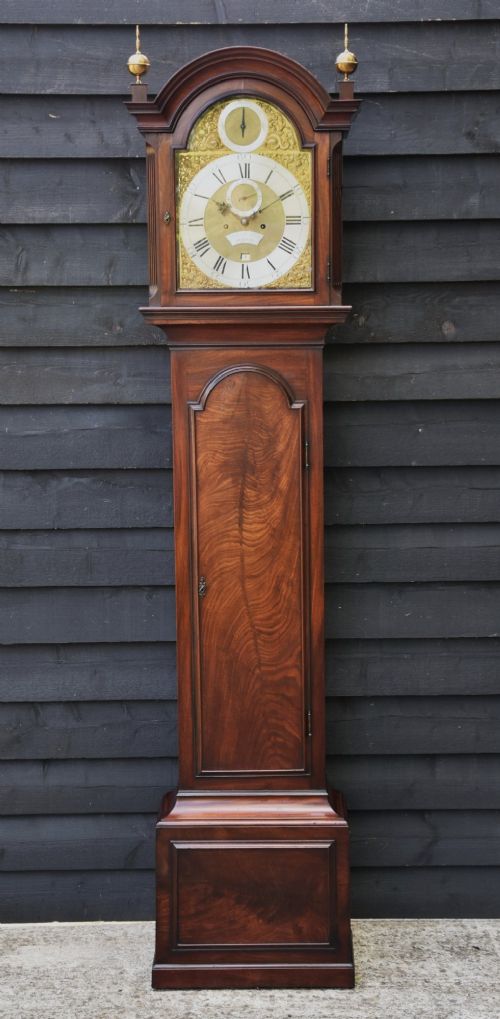
Clocks integrate brass dials with fusee verge escapement mechanisms, combining metal components with timber cases like oak. Processional crosses employ heavy casting techniques to achieve structural rigidity and enduring visual weight for ceremonial handling.
18th Century Brass Retail Price Guide 2026
Typical asking prices for 18th century brass among the pieces listed under this phrase on Sellingantiques today, from the lower quarter to the upper quarter. They describe what is for sale here now, not the wider market.
Listings for 18th century brass combine ecclesiastical metalwork with precision timekeeping instruments from the seventeen-hundreds.
Determinants of quality
Quality rests upon the crispness of the original casting and the degree of hand-finishing applied to the metal surface. Superior examples retain sharp edges and deliberate engraving rather than softened contours resulting from excessive wear or later polishing.
The integrity of the component parts determines the standing of an object, particularly where mechanical clock movements or structural joints are concerned. Originality of the brass work without replacement parts elevates the stature of any piece from this era.
Upjohn of Exeter
The 18th Century Brass Glossary
- Brass
- An alloy of copper and zinc known for its bright golden appearance and resistance to corrosion. It formed the primary medium for clocks and ecclesiastical hardware during the Georgian era.
- Verge escapement
- An early type of clock escapement mechanism that regulates the speed of a clock by controlling the release of the gear train. This mechanism appears frequently in period wall clocks.
- Fusee
- A conical pulley used in clocks to maintain an even pull on the movement as the mainspring unwinds. It ensures consistent timekeeping across the duration of the spring power.
- Processional cross
- A crucifix mounted on a long shaft, carried at the head of religious processions. These metal objects required durable casting to withstand being lifted and carried.
18th Century Brass: Frequently Asked Questions
What is 18th century brass?
These items comprise cast metal objects produced during the seventeen-hundreds, primarily taking the form of ecclesiastical processional crosses and dial wall clocks.
Makers utilised copper and zinc alloys to fabricate durable pieces that served both functional domestic roles and ceremonial church functions.
How were clock dials made?
Clock faces combined heavy brass plates with engraved or applied numerals, driven by intricate mechanical movements like fusee and verge escapements.
These components required specialist metalworking skills to ensure accurate timekeeping and lasting structural integrity.
Where were these pieces used?
Items such as wall clocks functioned in domestic interiors to regulate daily schedules, while processional crosses served within religious services.
Their physical presence combined utility with decorative craftsmanship appropriate for period buildings.
How do I care for brass?
Metal objects require minimal intervention to preserve their historic surface appearance and natural patination developed over centuries.
Avoid abrasive cleaning agents and excessive polishing that removes the original definition of the cast details.