


18th Century Brass Iron
These 18th century brass iron pieces are hearth accessories and domestic items built for utility, offering genuine period character for any fireplace.
18th Century Brass Iron
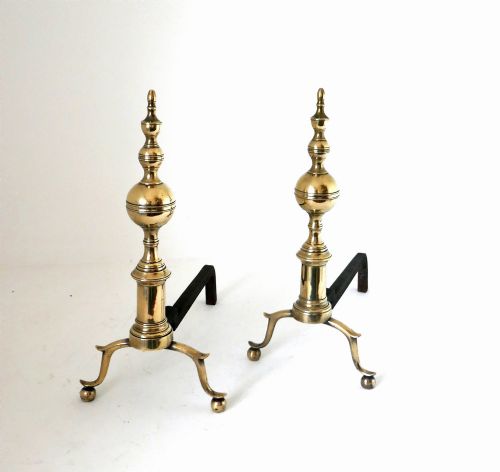
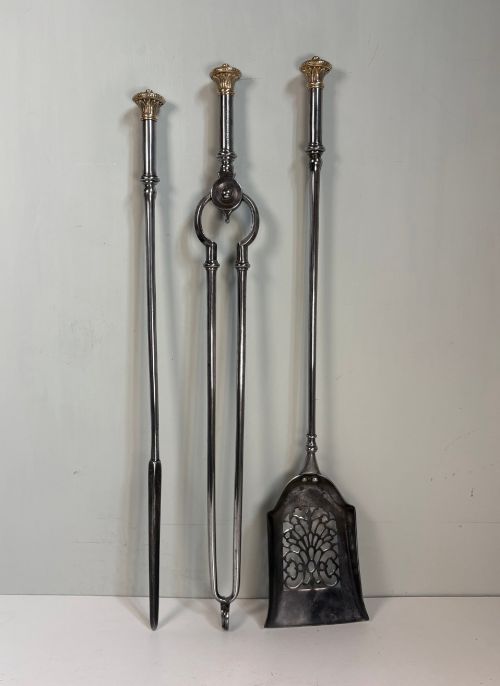
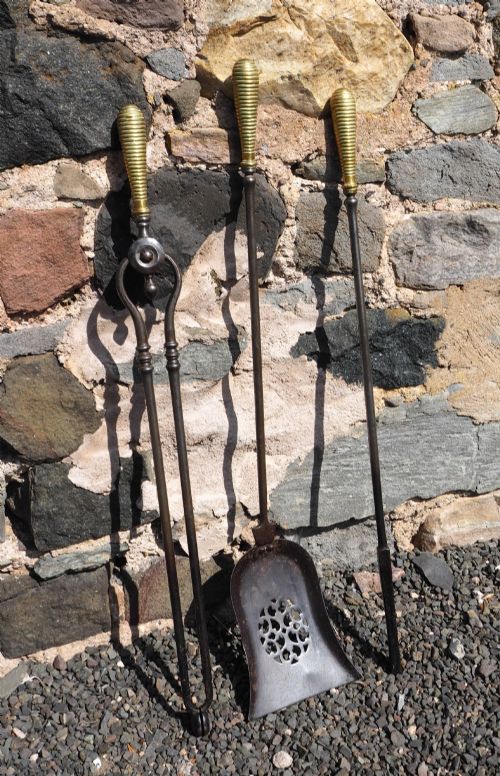
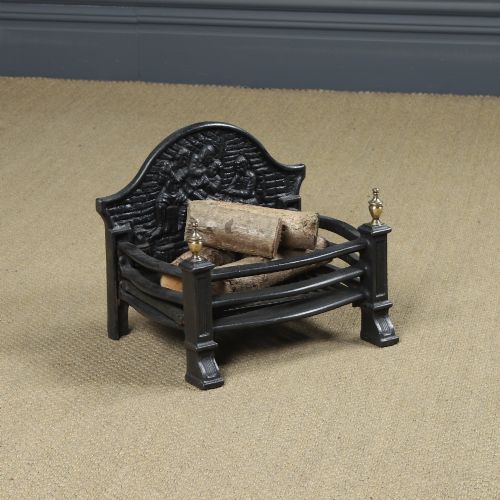
When you search for 18th century brass iron, you encounter utilitarian hearth furniture and domestic metalware from the Georgian period. The selection on this page centres primarily on fireplace equipment such as andirons, fire tools, footmen, and adjustable pot hangers.
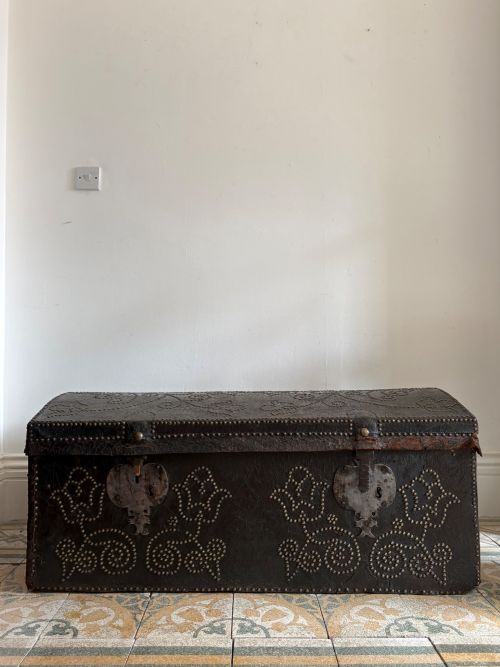
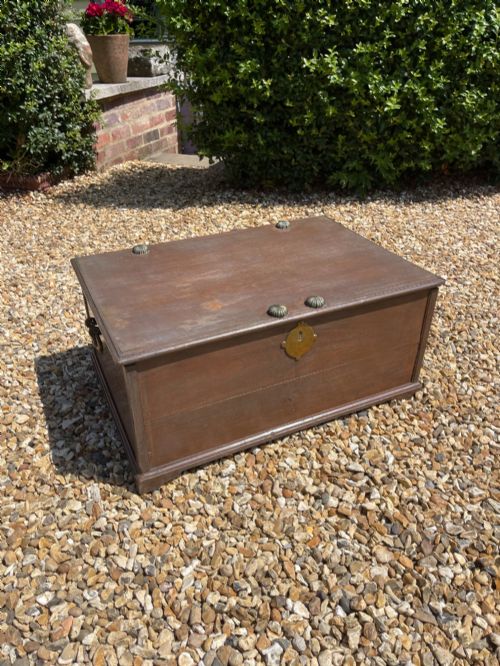
Beyond the hearth, the material combination extends to domestic storage and laundry items. You will find trunks, leather-covered coffers, goffering irons, warming pans, and skillets that showcase the dual use of these metals.
Most items originate from British, American, Dutch, French, and Scandinavian workshops. The stylistic vocabulary spans standard Georgian through to French Rococo and Scandinavian folk art expressions.
Materials and construction
Makers utilised forged iron and wrought iron for structural strength, particularly in weight-bearing components like andirons, trammels, and fire irons. This metal was hammered and shaped at the forge to endure daily exposure to intense hearth heat.
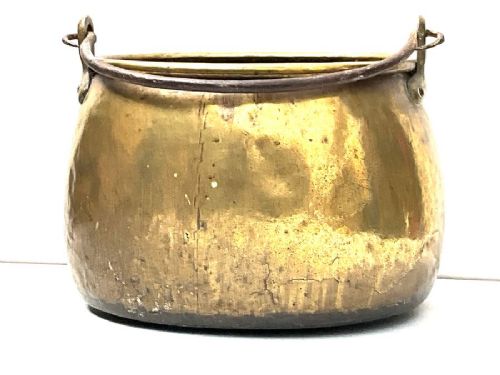
Brass provided decorative contrast and durability for finials, pans, and mounts. Craftsmen cast the brass elements and joined them securely to the iron frames using traditional fasteners and riveting techniques.
Listings combine brass and iron with teak, leather, and oak across functional forms like fire grates, warming pans, and dome top trunks.
Evaluating quality and execution
The distinction between standard utility items and superior examples lies in the crispness of the brass casting and the refinement of the iron forging. Better pieces display balanced proportions, clean lines, and careful hand-finishing rather than crude assembly.
Substantial weight and the retention of original matching components indicate higher grade production. Examples that retain their corresponding fire tools or unaltered mounts command greater interest among collectors.
The 18th Century Brass Iron Glossary
- Andirons
- Iron or brass supports placed in a fireplace to hold logs above the hearth. They often feature decorative cast brass finials.
- Trammel
- An adjustable wrought iron hook used in the hearth to suspend pots and kettles at varying heights over the fire.
- Goffering iron
- A domestic tool consisting of a heated metal cylinder used for pressing and shaping ruffs and lace frills.
- Footman
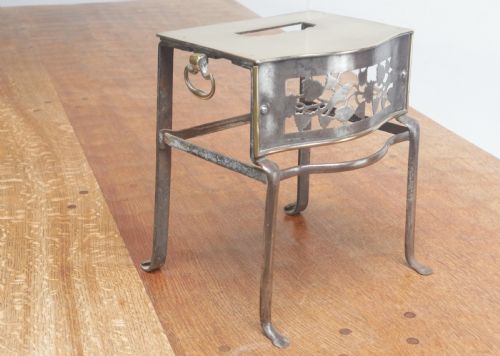
- A small metal stand placed before the fireplace to keep food or kettles warm.
- Skillet
- A long-handled metal cooking pot raised on three legs for use directly in the hearth ashes.
18th Century Brass Iron: Frequently Asked Questions
What were 18th century brass iron items used for?
These pieces served practical domestic functions around the Georgian hearth and household. They managed open fires, heated water, cooked food, and pressed clothing.
Items like andirons supported logs for efficient burning, while trammels adjusted cooking heights. Warming pans and goffering irons provided essential daily comforts.
How do I clean brass and iron pieces?
Preserve the aged surface by avoiding harsh chemical polishes that strip historical patina. Gentle dusting and occasional light wax on the iron components protect the metal from moisture.
Allow brass to retain its natural mellow tone rather than scrubbing it to a bright modern shine. Stable indoor humidity prevents active corrosion on the iron parts.
How do I identify a Georgian period piece?
Examine the construction marks, tool signatures, and fastening methods visible on the metal. Hand-forged iron surfaces typically show subtle irregularities from the hammer rather than uniform machine rolling.
Stylistic cues such as cast brass cabriole motifs or Federal urn finials align with eighteenth-century design standards. Compare the proportions and materials against documented examples from the era.
Can I use these fire irons in a modern fireplace?
Many solid wrought iron and brass fire tools remain entirely functional for tending a traditional open wood fire. Ensure the metal is structurally sound and free from deep heat-stress cracking before regular use.
Delicate or highly decorative antique items are often best reserved for display alongside the hearth. Assess the weight and balance of tools like pokers and tongs to confirm they suit your hearth setup.