


18th Century Ash Furniture
These pieces of 18th century ash furniture offer honest vernacular character and robust country craftsmanship for any interior.
18th Century Ash Furniture
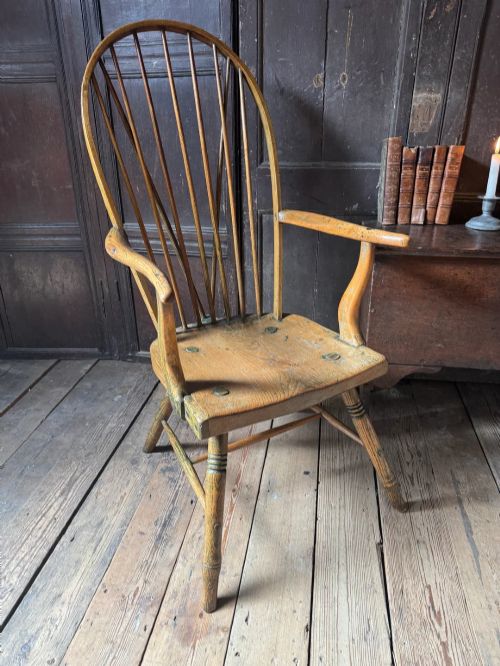
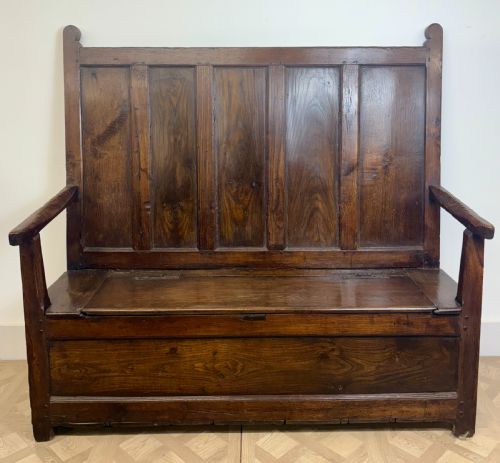
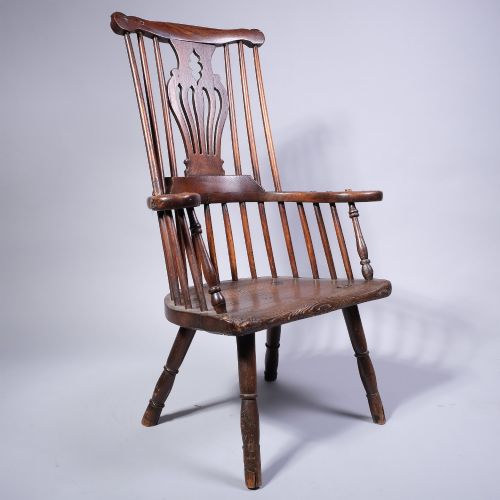
Buyers seeking 18th century ash furniture encounter sturdy utilitarian forms shaped by regional British makers. The selection centres on seating, including high hoop-back and comb-back Windsor armchairs alongside settles and benches.
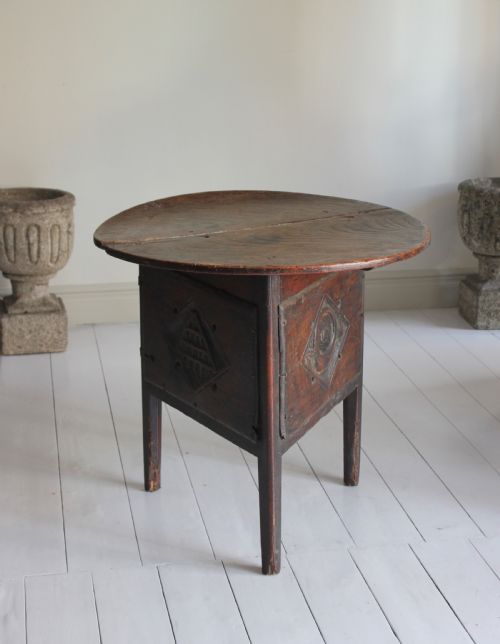
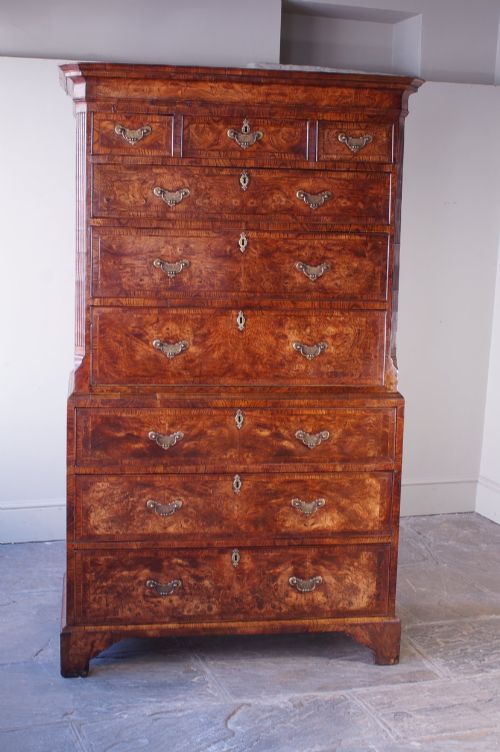
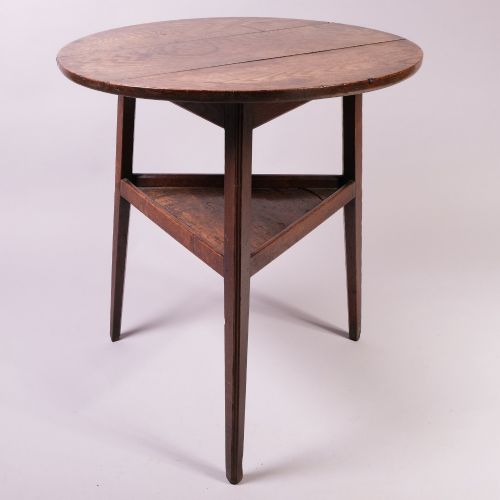
Alongside seating, the category encompasses robust tables, such as cricket tables and primitive dairy or butcher's tables, plus case furniture like chests of drawers. These utilitarian items originate from various regions including the West Country and Wales.
Most pieces combine ash with complementary timbers like elm, oak, burr elm, beech, fruitwood and yew wood. This mixed-timber construction reflects the practical resourcefulness of provincial cabinet makers and rural joiners.
How they were made
Construction relies on solid timber construction utilising native woods such as ash, elm and oak. Turnery and pegged joints provide the structural integrity required for heavy daily use in farmhouses and cottages.
Makers integrated distinctive woods like figured ash and burr elm for visible surfaces to add natural pattern. Simple brass hardware occasionally appears on case pieces, while stick-back and Windsor designs employ steam-bent framing.
Materials span ash, figured ash, burr elm, elm, oak, beech, fruitwood, and yew wood, often paired with brass hardware.
What varies in quality
Quality rests upon the selection of timber and the complexity of the regional form. Pieces featuring striking grain patterns, such as figured ash or burr elm, stand apart from plain utility items.
Structural honesty and the preservation of original surfaces dictate desirability. Untouched patination and harmonious multi-timber construction distinguish superior vernacular examples from later alterations.
The 18th Century Ash Furniture Glossary
- Comb back
- A Windsor chair design where the vertical spindles extend through the seat to form a low back topped by a horizontal crest rail resembling a comb.
- Cricket table
- A small, lightweight occasional table typically featuring three splayed legs designed for stability on uneven stone floors.
- Settle
- A high-backed wooden bench with solid arms and an enclosed lower section intended to block drafts in rural dwellings.
- Vernacular
- Objects made by local craftsmen following regional traditions rather than metropolitan academic designs.
- Burr elm
- A prized timber growth featuring swirling, knotted grain patterns utilised for decorative drawer fronts and seat panels.
18th Century Ash Furniture: Frequently Asked Questions
What is an ash Windsor armchair?
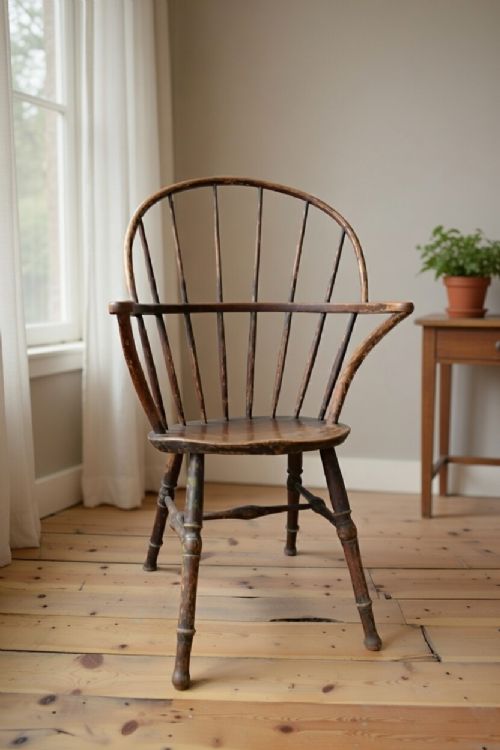
An ash Windsor armchair is a sturdy wooden seat featuring a constructed saddle-shaped seat into which the legs and back spindles are wedged directly. These chairs developed in regional workshops for domestic and commercial use.
They combine ash with elm and fruitwood to balance flexibility in the bent parts with rigidity in the underframe. This mixed construction gives them their characteristic resilience.
Where were these pieces made?
These items originated in provincial workshops across Britain, with distinct regional styles emerging from areas like the West Country and Wales. Local joiners utilised whatever native hardwoods grew nearby.
Consequently, furniture from this tradition displays practical adaptations suited to rural cottages, dairies, and farmhouses rather than formal urban drawing rooms.
How do I care for ash furniture?
Caring for 18th century ash furniture involves maintaining stable indoor humidity and avoiding direct sources of heat or strong sunlight. These precautions prevent the native timbers from drying out or splitting.
Applying a traditional beeswax polish occasionally helps nourish the dry grain and preserves the historic surface patination accumulated over centuries of use.
How can I tell Georgian vernacular pieces apart?
Georgian vernacular pieces differ from urban furniture through their reliance on local materials, visible hand-tool marks, and unpretentious utilitarian construction. They prioritize function and strength over fashionable ornamentation.
Makers utilised regional traditions, combining timbers such as ash, elm, and oak to produce robust tables, settles, and chairs unique to their specific geographic origins.