







18th Century Aristocrat Portrait
An 18th century aristocrat portrait captures the likeness, status and finery of nobility in oils or print, offering a direct window into Georgian society.
18th Century Aristocrat Portrait
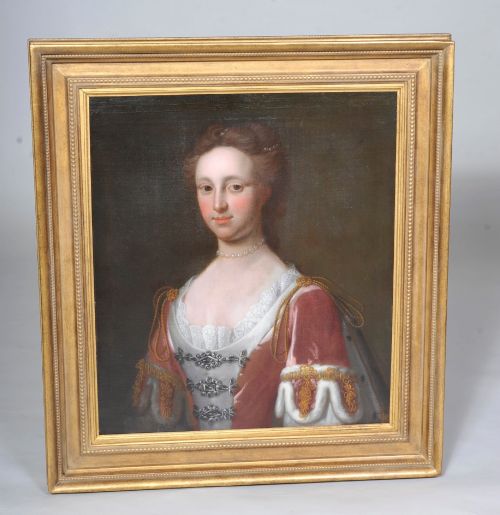
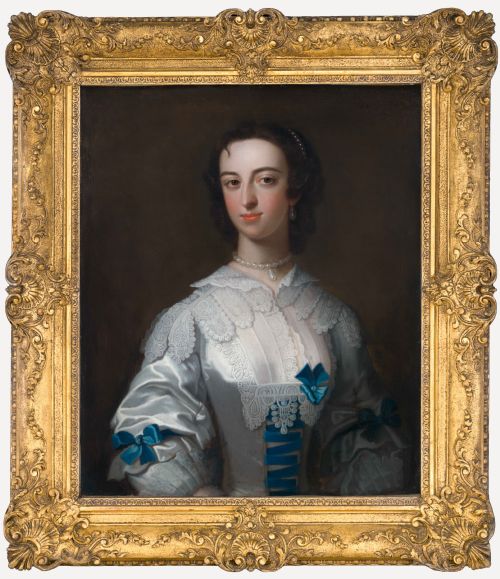
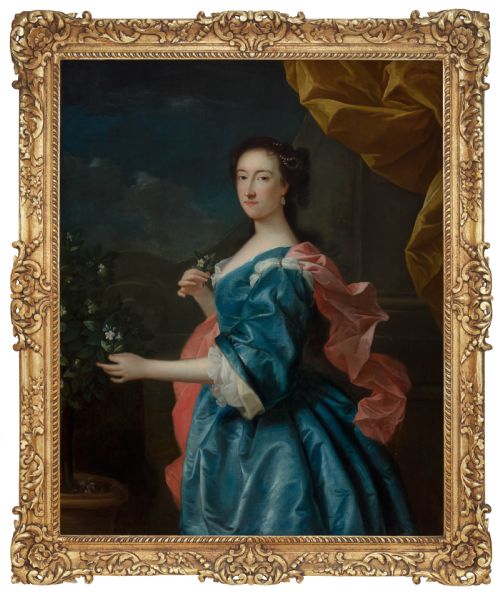
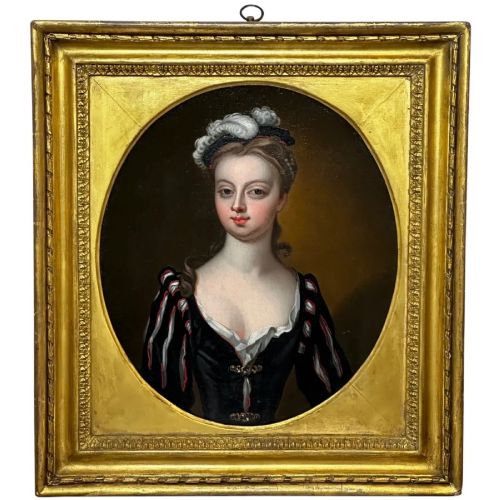
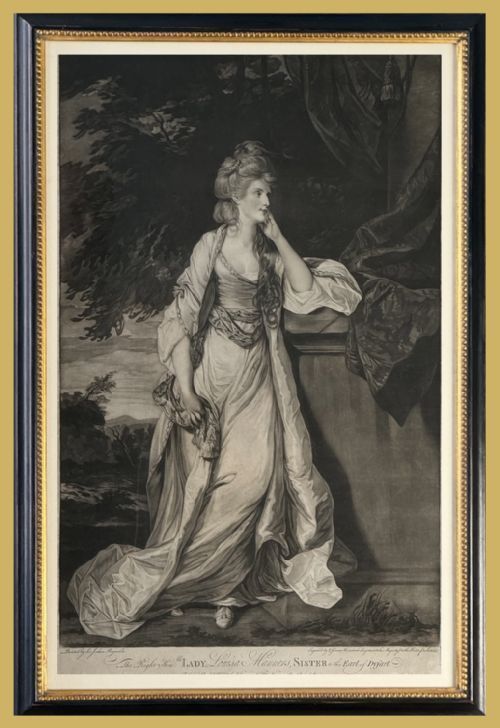
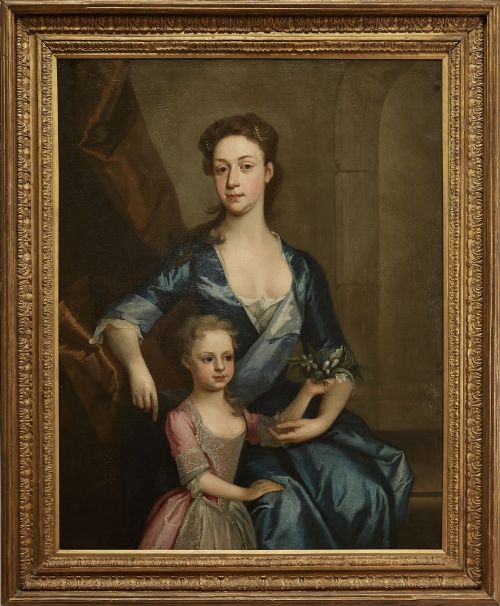
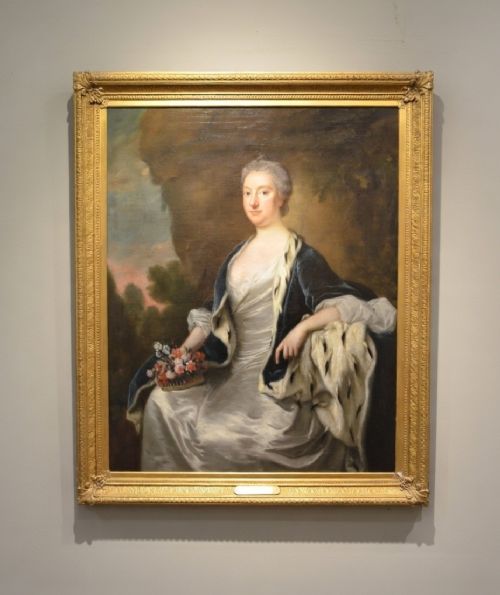
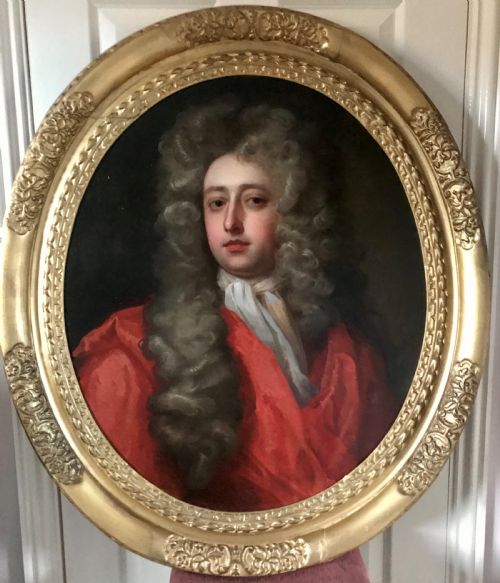
The most common formats on this page are oil paintings executed on canvas, often housed within their original giltwood frames adorned with gold leaf. These works span British, French and German schools, recording sitters from court circles and landed gentry.
Subjects appear in formal attire such as silk dresses, lace jabots, velvet robes with fur trim and occasionally suits of armour. Attributes like orange trees or specific ribbons denote lineage and identity.
Distinctions in Quality
Preservation of the original canvas, minimal overpaint and the retention of a period giltwood frame contribute significantly to the integrity of the piece. Handling of light, shadow and psychological depth separates workshop productions from principal hand painted portraits.
18th Century Aristocrat Portrait Retail Price Guide 2026
Typical asking prices for 18th century aristocrat portrait among the pieces listed under this phrase on Sellingantiques today, from the lower quarter to the upper quarter. They describe what is for sale here now, not the wider market.
Sir Francis Seymour posed for his portrait as a boy while wearing a stiff lace jabot that must have troubled his neck.
Henry Pickering·Jeremiah Davison·Michael Dahl·Thomas Murray·Valentine Green·Sir Joshua Reynolds·John Vanderbank·Joseph Highmore·Louis De Silvestre·Enoch Seeman·A.R. Whytton
The 18th Century Aristocrat Portrait Glossary
- Mezzotint
- A printmaking process where the copper plate is roughened to achieve rich dark tones and subtle gradations of light. This technique was frequently used to reproduce oil paintings for wider circulation.
- Giltwood
- Wood carved and coated with gold leaf or a metallic gilding preparation. It provides ornate frames for many paintings of this era.
- Jabot
- A decorative ruffle or lace trim attached to the front of a shirt. Aristocratic sitters wore them to signal wealth and high fashion.
- Oil on Copper
- A painting technique utilising a smooth copper sheet as the support instead of canvas. This method allowed for high detail and durability.
- British Baroque
- An artistic style characterised by grandeur, drama and dynamic movement. It dominated British portraiture into the early decades of the period.
18th Century Aristocrat Portrait: Frequently Asked Questions
What is an 18th century aristocrat portrait?
These works are painted or printed likenesses of nobility, lords, ladies and gentry produced during the Georgian period. They served to record lineage, social standing and personal wealth.
Subjects are typically depicted in formal garments, uniforms or court dress, accompanied by symbolic flora, architecture or family crests.
How were these portraits displayed?
Aristocrats hung these large oil paintings in the long galleries, drawing rooms and libraries of country houses and town mansions. They anchored family lineages and impressed visiting peers.
Smaller works and prints found places in more intimate chambers or private studies.
How do I identify the sitter?
Sitters are often identified through historic inscriptions on the canvas, stretcher bars or accompanying documentation kept with the painting. Heraldic crests, family coat of arms or specific painted attributes also point toward specific dynasties.
Comparison with documented portrait records helps confirm names and dates.
How do I care for an oil on canvas portrait?
Keep paintings away from direct sunlight, radiators and damp environments to protect the canvas and oil pigments. Dust the surface gently with a soft, dry brush without applying pressure.
Leave conservation, cleaning and varnish removal to professional restorers.