

18th Century Accent Table
An 18th century accent table brings practical utility and period character to a room, offering compact surfaces designed for holding small items.
18th Century Accent Table
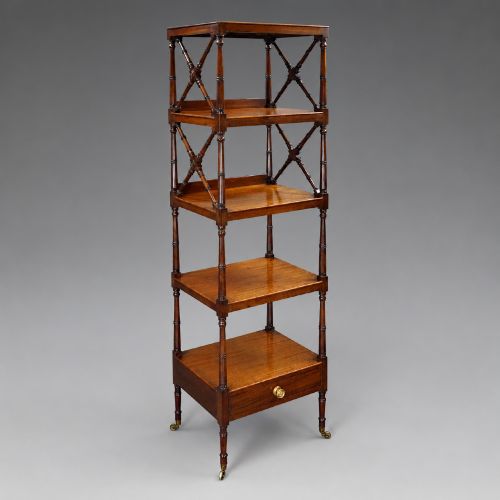
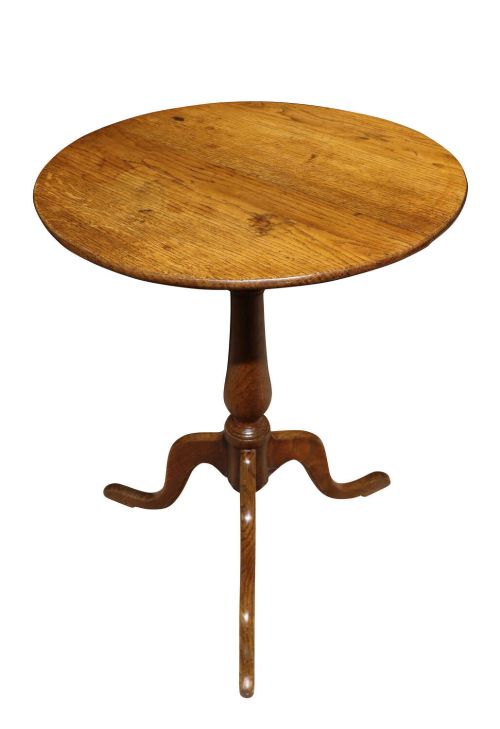
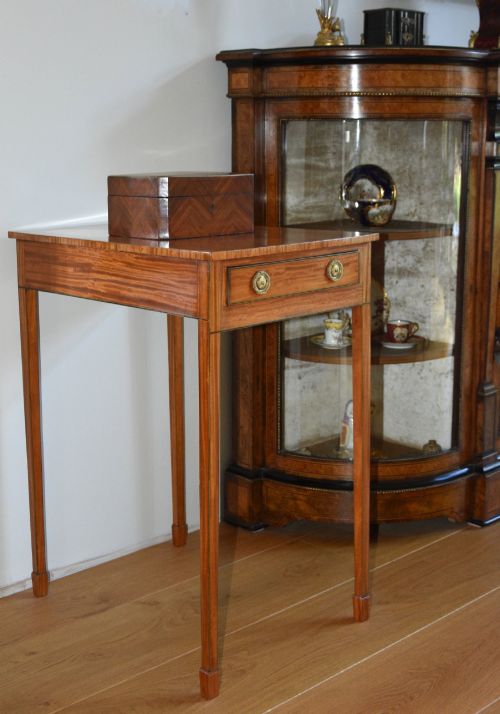
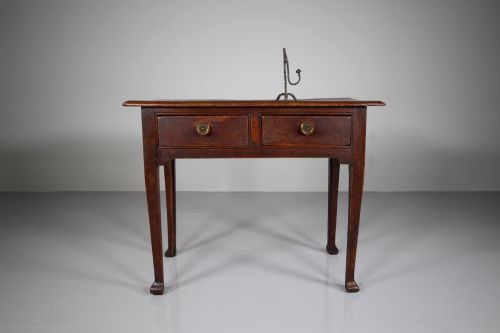
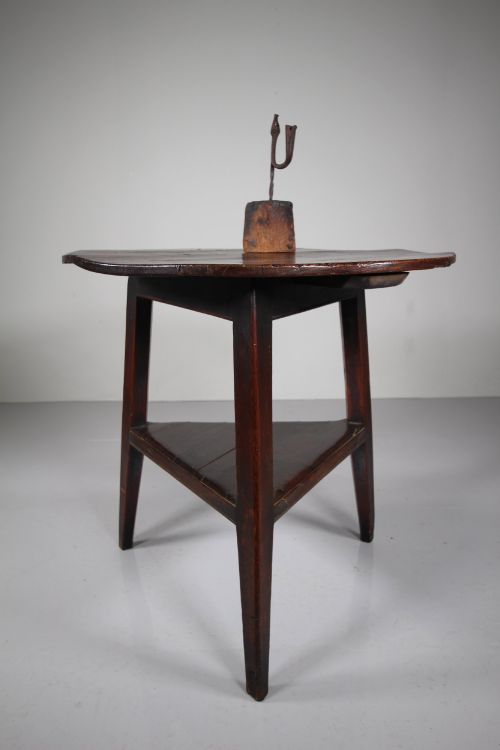
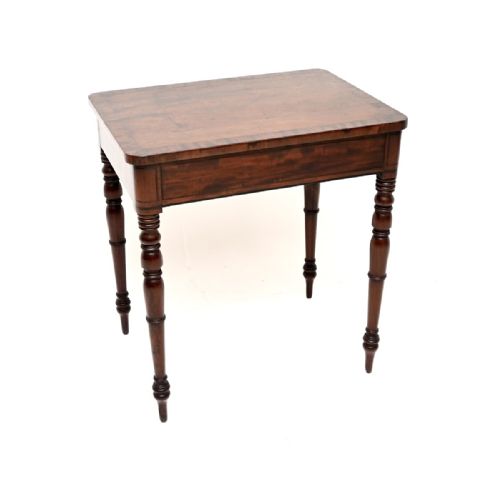
An 18th century accent table encompasses utilitarian forms such as tripod tables, wine tables, cricket tables, and lowboys designed for specific domestic functions. The listings show heavy representation from the Georgian period, alongside pieces spanning the seventeenth century through to Edwardian interpretations.
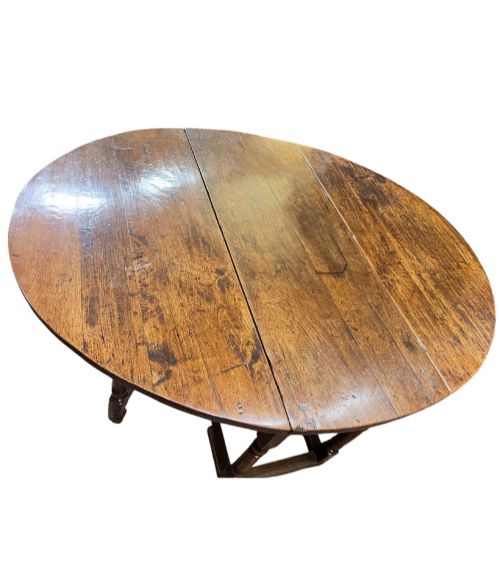
Makers produced these tables in various configurations including gateleg, Pembroke, tilt-top, and occasional formats. Elm, oak, and mahogany appear frequently across English, French, Spanish, and Scandinavian regional workshops.
Materials and Construction
Craftsmen utilised native hardwoods like oak, walnut, mahogany, and elm, often selecting timber for figured grains or burr patterns. Secondary timbers like beech frequently reinforced structural elements beneath visible surfaces.
Joinery techniques relied on traditional methods including mortise and tenon joints for frames, alongside turned components and dovetails for drawers. Tables with tilt mechanisms employed catch-springs and birdcage mounts to secure tops to pedestals.
Listings feature woods including mahogany, oak, walnut, satinwood, fruitwood, elm, and timber.
Gradations of Quality
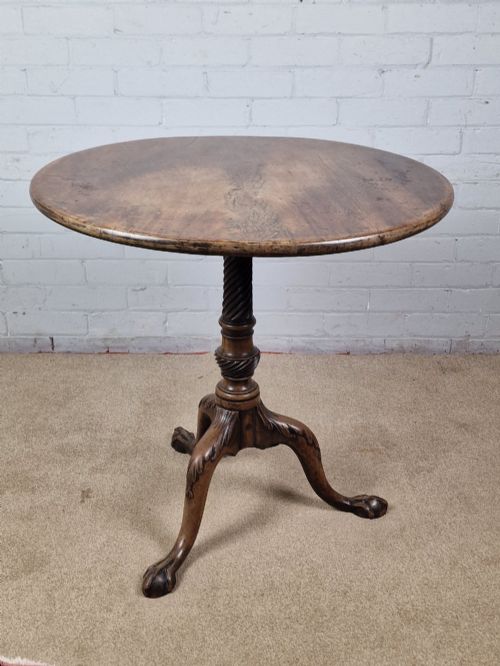
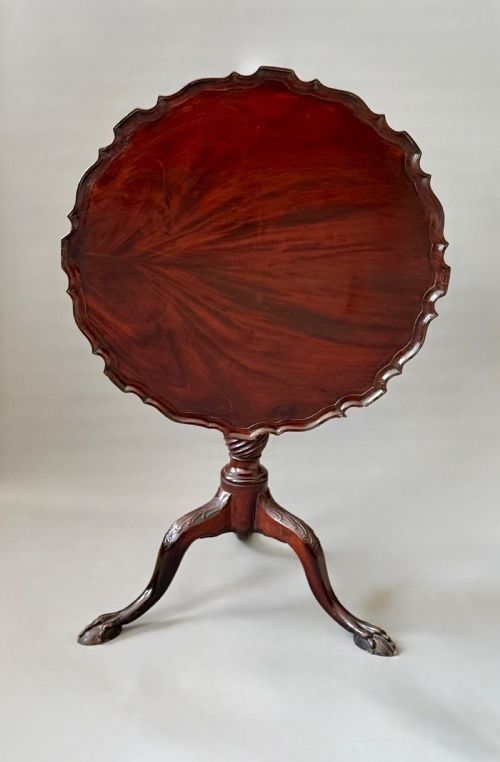
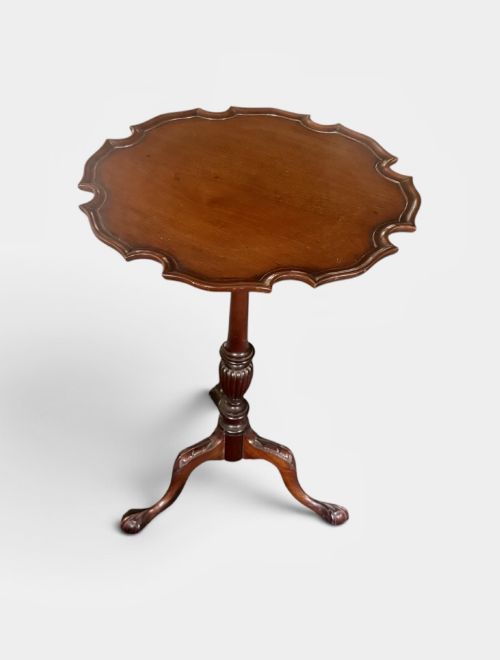
Quality rests on the selection of timber figures, such as cross-banded veneers, burr elm, and satinwood inlay, contrasted against plain utilitarian boards. Finer examples display crisply carved tripod legs, pie crust rims, and well-proportioned turning.
Structural integrity and the retention of original brass hardware or patination separate superior items from heavily restored or altered pieces. The harmony of proportions in smaller tables dictates their standing among collectors.
The 18th Century Accent Table Glossary
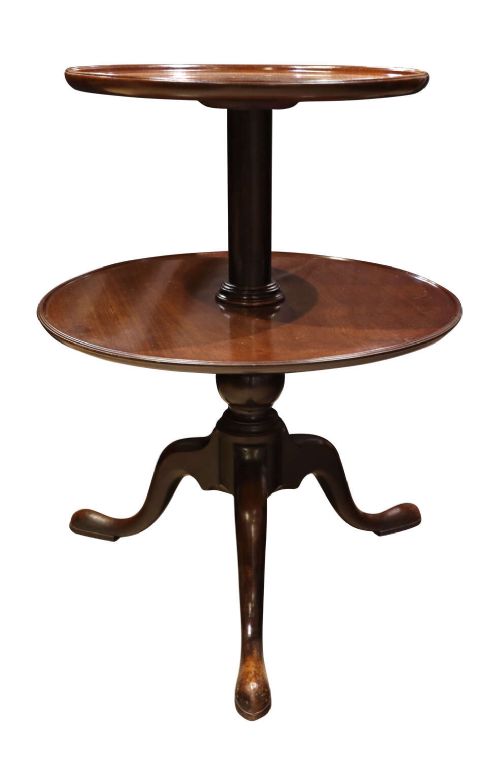
- Tripod table
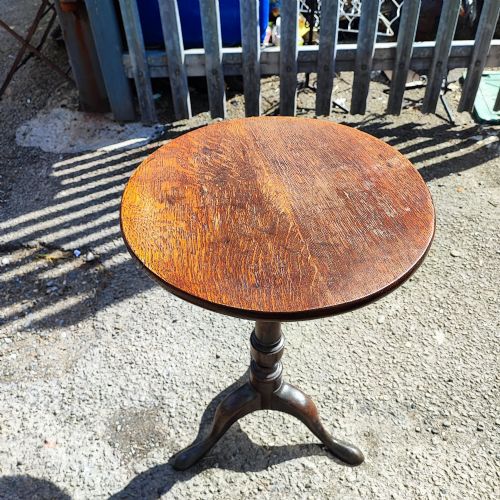
- A small freestanding table supported by a central pillar resting on three legs. These versatile pieces frequently featured tilt-top mechanisms for storage.
- Cricket table
- A small three-legged round table typically constructed from oak with stretcher supports. This vernacular form provided stability on uneven floors.
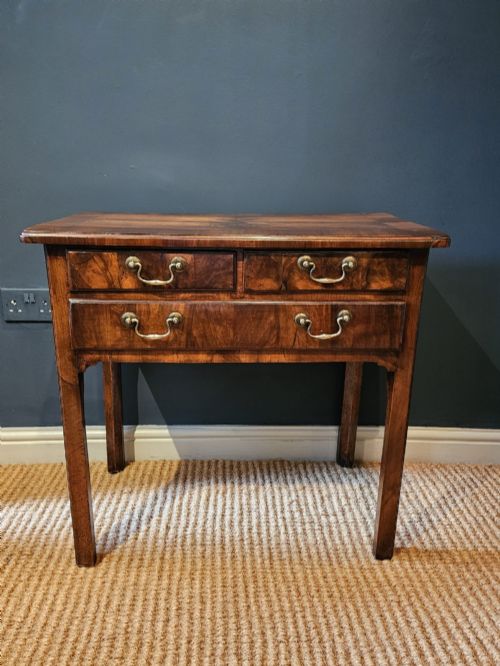
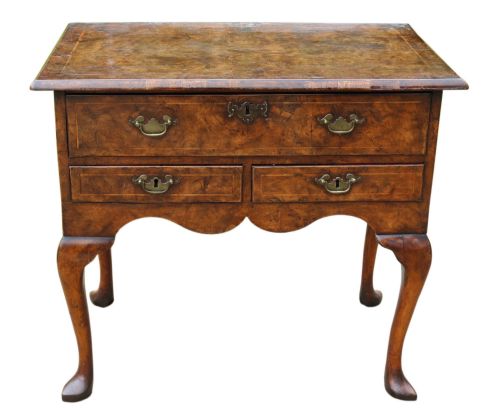
- Lowboy
- A small side table featuring one or more drawers and long legs, often utilised as a dressing or serving table during the Georgian era.
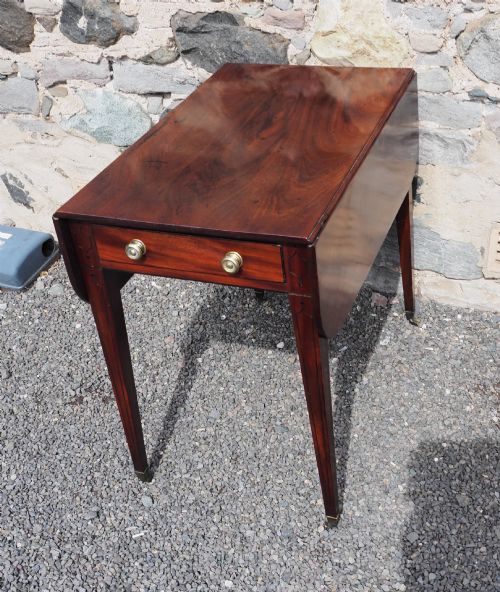
- Pembroke table
- A drop-leaf table with hinged flaps on either side, introduced in the eighteenth century for breakfast or writing use.
- Gateleg table
- A drop-leaf table with hinged legs that swing out to support the extended leaves. This construction allowed larger surface areas to fold away compactly.
18th Century Accent Table: Frequently Asked Questions
How do I identify a cricket table?
A cricket table is defined by its three legs and a circular top, often built from sturdy oak with stretcher rails.
The three-legged design ensured the table remained steady on uneven farmhouse floors without rocking.
Where were lowboys used?
Lowboys functioned as small side tables in bedrooms, hallways, or parlours for writing and holding personal items.
Their compact size with integrated drawers made them suitable for multi-purpose rooms in modest and grand houses alike.
What timber was most common?
Oak and mahogany appear most frequently across the listed periods, supplemented by walnut, elm, and fruitwood.
Regional workshops utilised whichever local hardwoods were readily available, resulting in distinct provincial variations.