


18ct Gold Pearl Ring
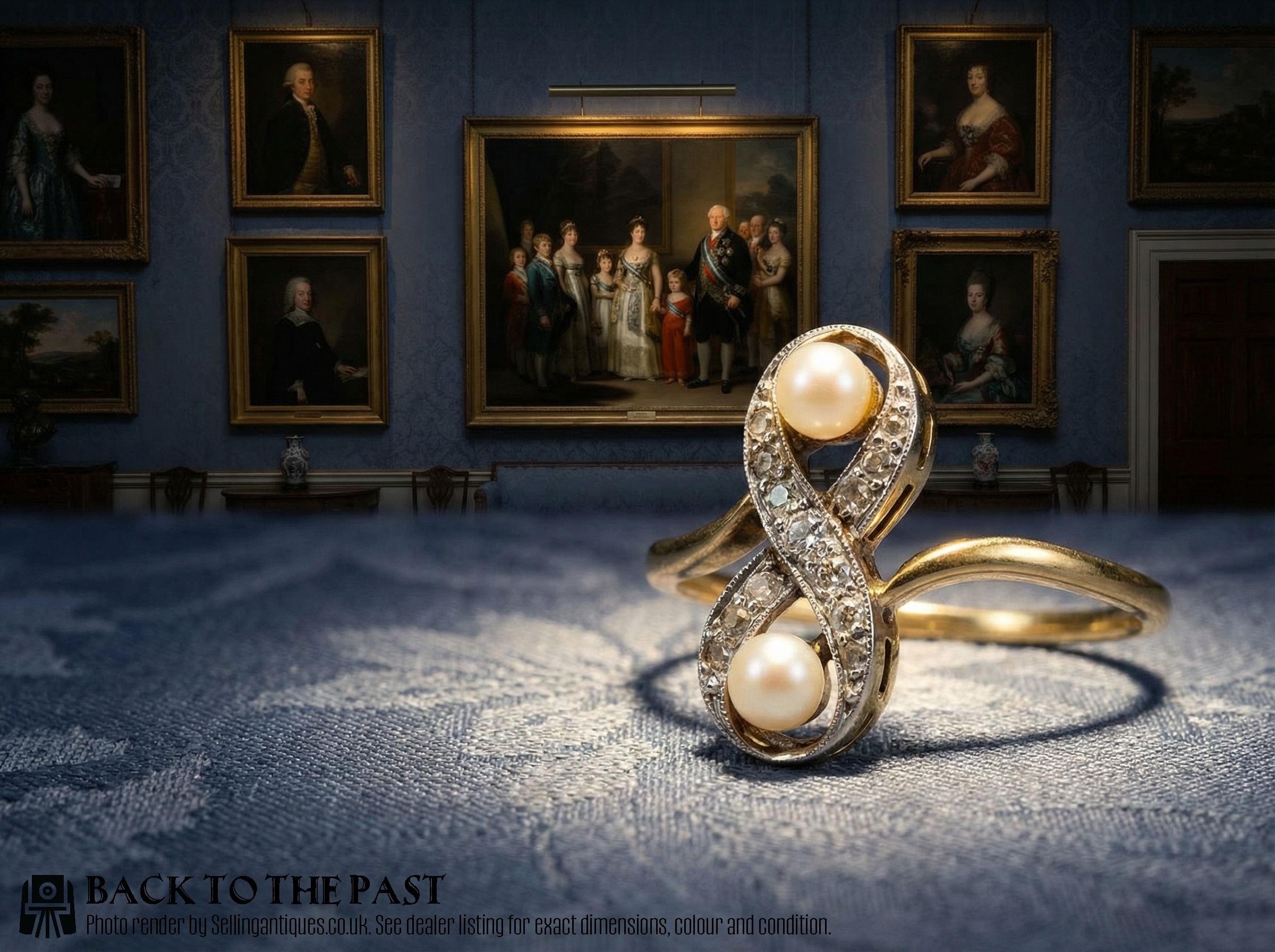
An 18ct gold pearl ring combines the gentle lustre of organic gems with the rich warmth of high-karat gold across historic eras.

18ct Gold Pearl Ring
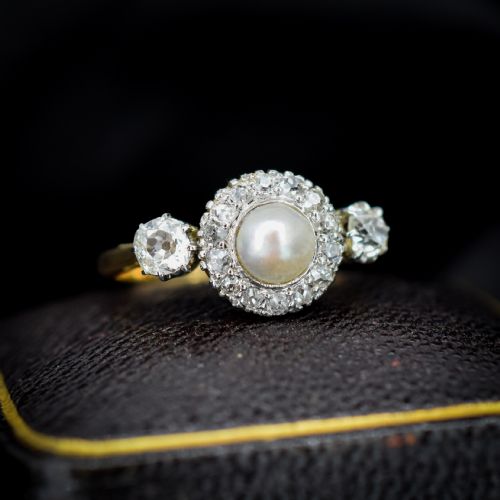
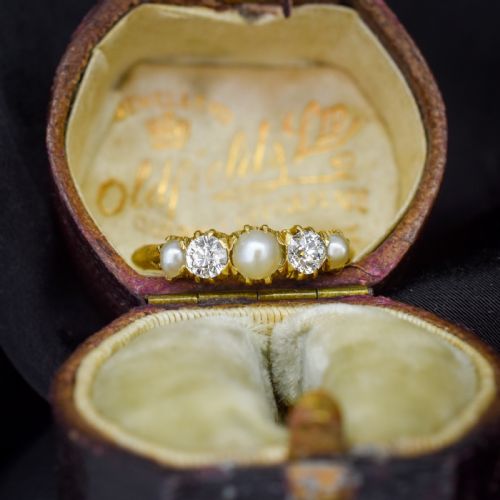
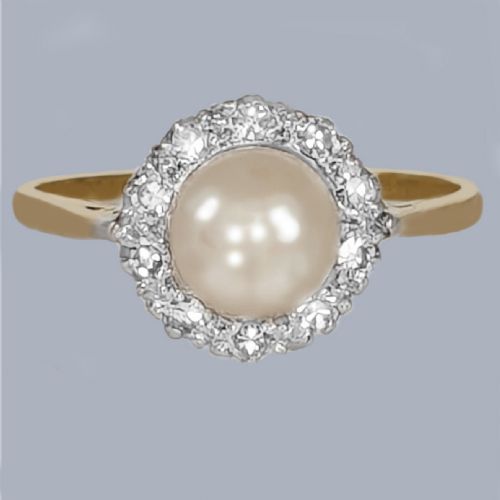
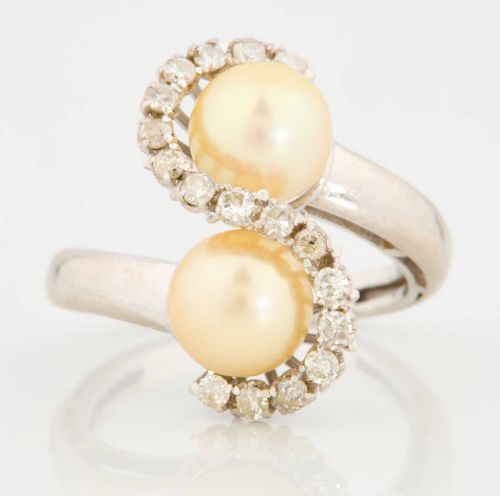
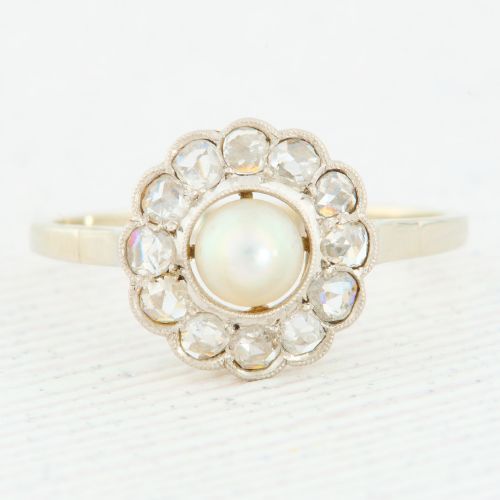
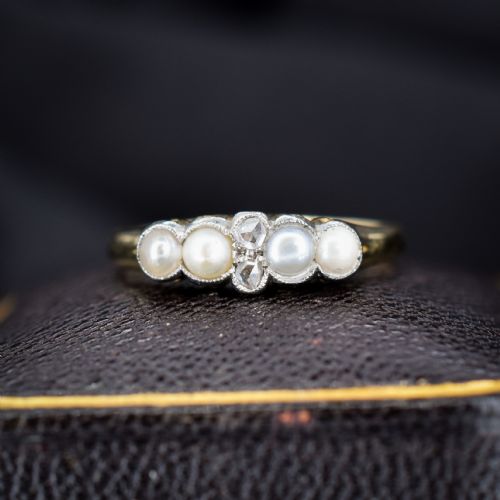
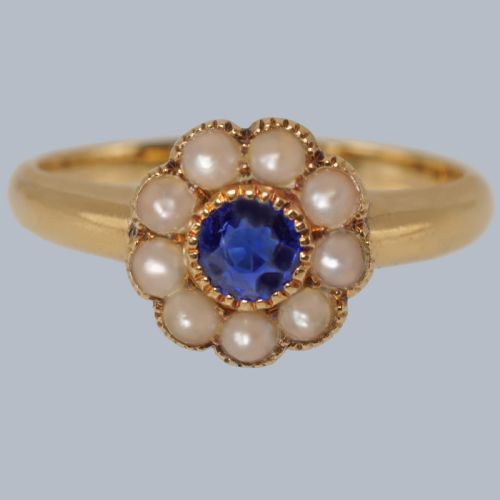
An 18ct gold pearl ring appears frequently in Edwardian, Victorian, and mid-century designs, often taking the form of a cluster or multi-stone band.
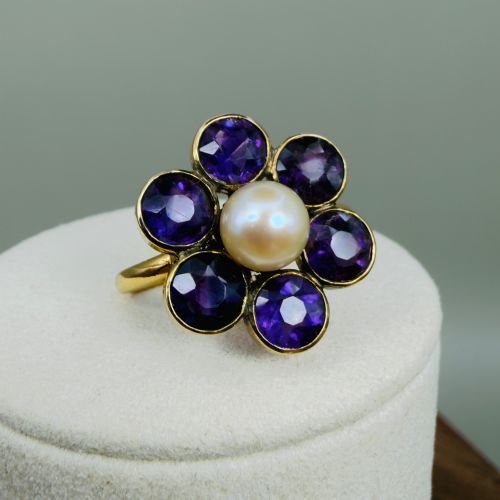
Makers paired pearls with diamonds, sapphires, rubies, amethysts, and turquoise, creating varied compositions from Georgia through to the 1960s.
Buyers encounter delicate Edwardian lace-like mountings alongside bolder Victorian yellow and rose gold clusters and later mid-century white gold cocktail styles.
Materials and construction
Goldsmiths utilised 18ct yellow, rose, and white gold alongside platinum settings to house pearls alongside old-cut diamonds and coloured gemstones.
Pearls, whether natural, cultured, or seed variants, were secured in claw settings, bezels, or flush mounts surrounded by intricate metalwork.
18ct Gold Pearl Ring Retail Price Guide 2026
Typical asking prices for 18ct gold pearl ring among the pieces listed under this phrase on Sellingantiques today, from the lower quarter to the upper quarter. They describe what is for sale here now, not the wider market.
Listings feature 18ct yellow, white, and rose gold alongside platinum, incorporating amethysts, garnets, turquoise, and diamonds from the Georgian era to the 1960s.
Craftsmanship and preservation
The standard of an 18ct gold pearl ring depends on the matching of the pearls, the crispness of the surrounding gold or platinum granulation, and the survival of original gemstones.
Pieces showing minimal wear to the pearl nacre and secure original claw or bezel settings represent the better end of surviving examples.
The 18ct Gold Pearl Ring Glossary
- Cluster ring
- A design featuring a central stone or pearl surrounded by a border of smaller gems. This layout maximises visual impact and was favoured across the Victorian and Edwardian periods.
- Old-cut diamond
- A hand-faceted diamond shape predating modern brilliant cuts. These stones display smaller tables and deeper pavilions suited to antique settings.
- Seed pearl
- A very small natural or cultured pearl, often drilled and threaded or set tightly in rows. They define the delicate floral and geometric patterns of the late nineteenth and early twentieth centuries.
- Mabe pearl
- A cultured half-pearl grown against the inside shell of an oyster rather than within the body. These produce a domed appearance utilised in mid-century cocktail rings.
- Navette
- A boat-shaped gemstone or ring mounting featuring pointed ends. This silhouette stretches lengthways across the finger in Georgian and Victorian designs.
18ct Gold Pearl Ring: Frequently Asked Questions
How do I clean my antique pearl ring?
Pearls are organic and soft, meaning harsh chemical dips and ultrasonic cleaners will damage their surface. Wipe them gently with a soft, damp cloth after wearing.
Store the ring separately from harder diamond jewellery to prevent scratching the nacre and the 18ct gold band.
Are these pearls natural or cultured?
The selection includes both natural pearls from historic periods and cultured pearls from later Edwardian and mid-century pieces. Each type exhibits distinct formation characteristics under magnification.
Testing confirms the origin, while visual inspection reveals the lustre and skin quality developed over decades of wear.
How can I date an 18ct gold ring?
Dating relies on stylistic clues such as the transition from Victorian heavy rose gold clusters to intricate Edwardian platinum-topped openwork and mid-century cocktail designs. Hallmarks stamped inside the shank often provide specific assay office marks and decades of manufacture.
Comparing gemstone cuts, such as old-cut diamonds versus later brilliant cuts, further narrows the chronological window.
Can I wear a pearl ring every day?
While 18ct gold provides a durable foundation, pearls possess a lower hardness rating than diamonds and rubies. Daily wear requires care to avoid impact against hard surfaces and exposure to cosmetics or household acids.
Removing the ring during manual tasks preserves both the pearl lustre and the integrity of the setting.