



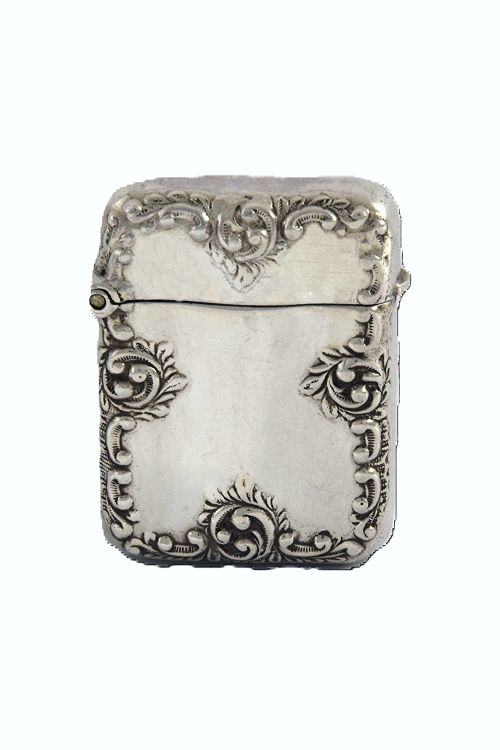
1890s Sterling Silver
These pieces of 1890s sterling silver bring late Victorian craftsmanship into daily use through hallmarked tablewares, desk accessories and personal items.
1890s Sterling Silver
When you search for 1890s sterling silver, you encounter items made during the final decade of the nineteenth century, predominantly carrying hallmarks from Victorian assay offices. The selection spans domestic utility and personal adornment, capturing a period of diverse manufacturing output.
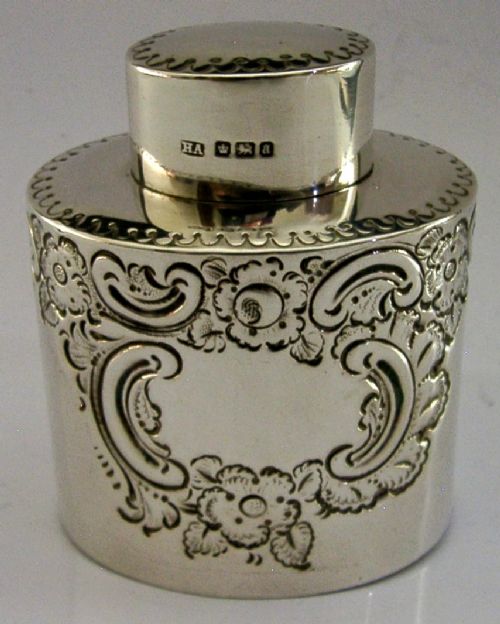
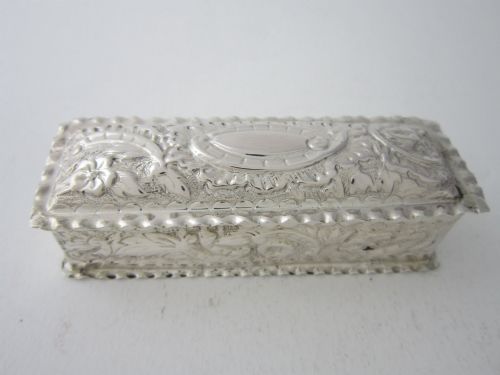
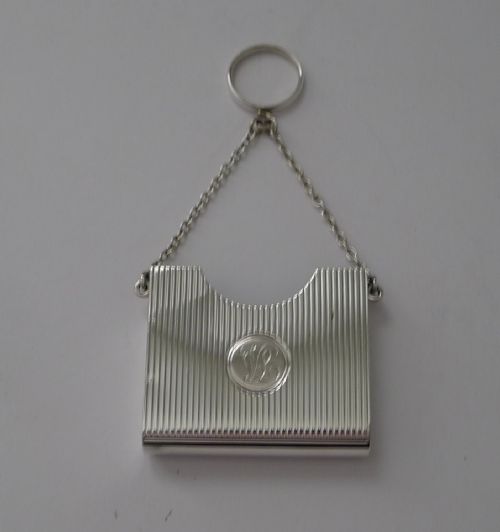
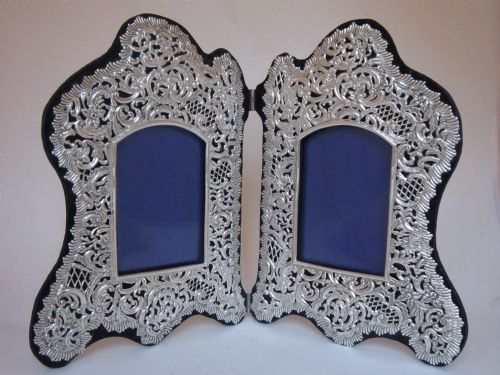
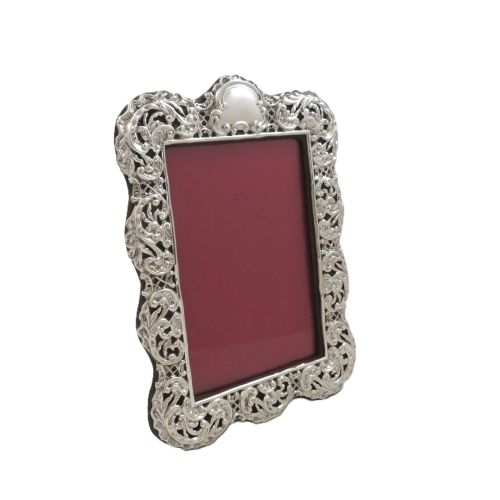
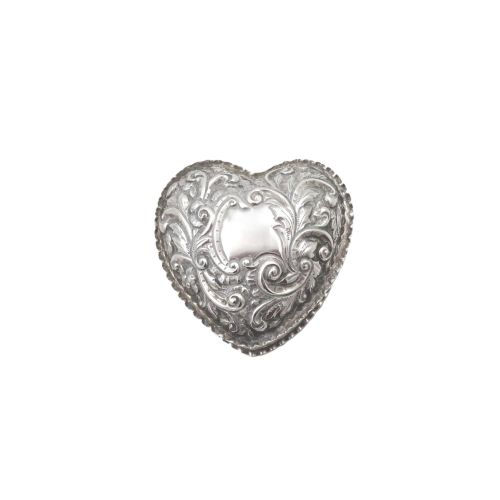
Picture frames, napkin rings, trinket boxes and watch chains appear most frequently across the current listings. These domestic and personal objects reflect the heavy manufacturing output of British silversmithing centres during the late Victorian era.
Stylistic influences range from conservative Victorian Rococo Revival interpretations to early Art Nouveau curves. Pieces bridge traditional floral embossing and more organic, flowing designs.
How they were made
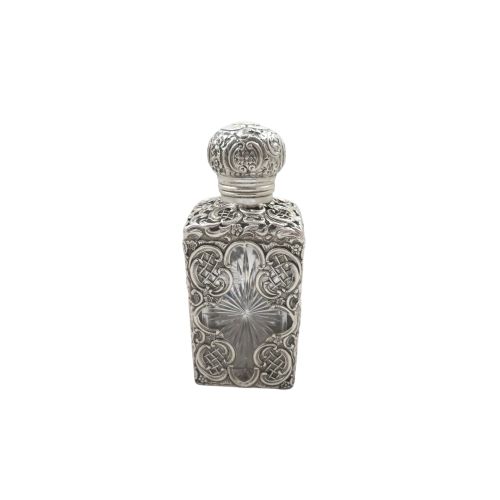
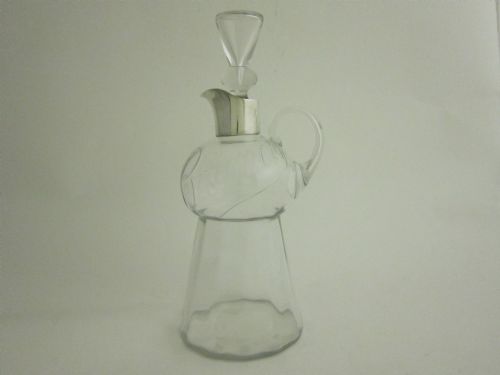
Makers utilised solid sterling silver alongside supportive materials such as glass, velvet, leather and fabric to construct items ranging from scent bottles to evening purses. Cut glass and green glass bodies frequently receive pierced or mounted silver collars.
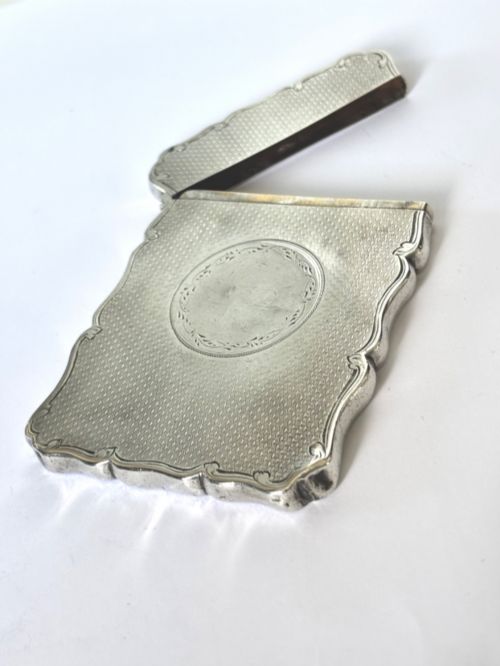
Techniques combine sheet metal stamping, chasing, embossing and detailed hand engraving. Structural mounts are secured to glass and fabric elements using traditional adhesives and mechanical pins.
Secondary materials combined with silver include cut glass, green glass, leather, velvet, satin and fabric linings.
What varies in quality
The standard of an item depends upon the crispness of the chased or embossed ornament and the structural integrity of hinges and mounts. Pieces featuring deep, clear relief work on frames, boxes and novelty items represent finer fabrication.
Maker signatures and clear city hallmarks also distinguish the work, as does the preservation of secondary materials like interior silk linings, glass inserts and original fitted cases.
Braham·Henry Wilkinson·Sampson Mordan·George Unite·Syner And Beddoes·Mappin And Webb·James Deakin And Sons·Charles Boyton·Atkin Brothers·John Round
The 1890s Sterling Silver Glossary
- Sterling silver
- An alloy containing 92.5 percent silver by mass, with the remainder consisting of other metals, usually copper. This standard composition is verified by official assay office hallmarks.
- Hallmark
- A series of official marks stamped on items to indicate the standard of silver, the assay office, the maker and the year of production. British pieces from this decade typically feature a date letter corresponding to the 1890s.
- Vesta case
- A small pocket box designed for holding matches, often fitted with a striking stripe on the base. These cases frequently display engraved monograms or sporting scenes.
- Caddy spoon
- A short-handled spoon specifically designed for measuring loose tea leaves from a caddy. Bowls are often scalloped or shell-shaped to match the tea ware.
- T bar
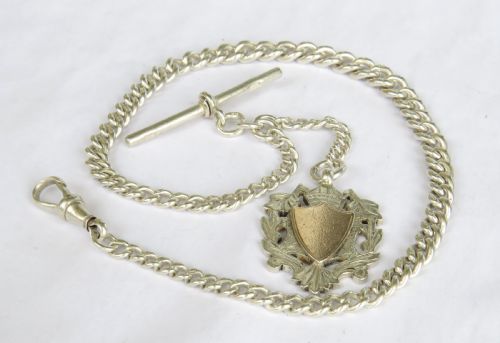
- A small transverse metal bar attached to the centre of a pocket watch chain, used to secure the chain through a waistcoat buttonhole. These are characteristic elements of period watch albert chains.
1890s Sterling Silver: Frequently Asked Questions
How do I read the date letter on 1890s silver?
Assay offices in London, Birmingham, Sheffield and Glasgow stamped items with specific gothic or roman letter punches corresponding to each year of the decade.
Matching this stamped letter against standard assay tables reveals the exact year of manufacture alongside the lion passant and maker mark.
Were these items meant for display or daily use?
Most pieces served practical functions in Victorian homes, from lighting cigars and serving condiments to holding calling cards and securing pocket watches.
Their robust construction in solid silver allowed them to withstand regular handling while retaining decorative appeal.
How should I clean antique sterling silver?
Gentle washing with warm water and mild soap removes daily grime without harming the underlying metal or softer secondary materials like velvet and glass.
Commercial silver dips and harsh abrasive cloths should be avoided to preserve the original patina and fine engraved details.
Can I use period scent bottles and decanters today?
Glass vessels with silver mounts are generally stable enough for holding liquids, provided the internal cork or glass stoppers remain intact.
Careful inspection of the collar cement ensures the silver mount stays secure to the glass body during handling.