

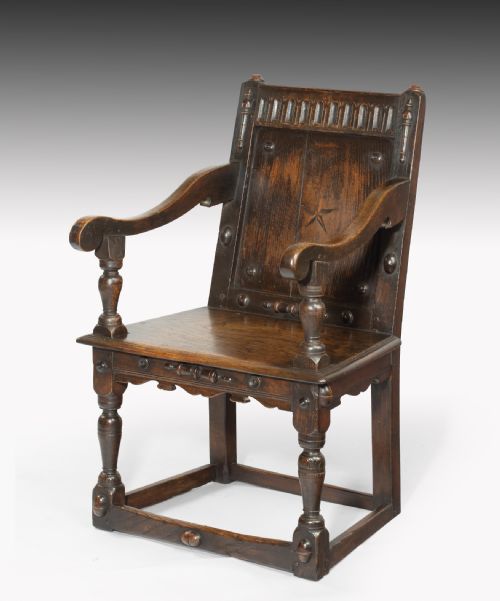
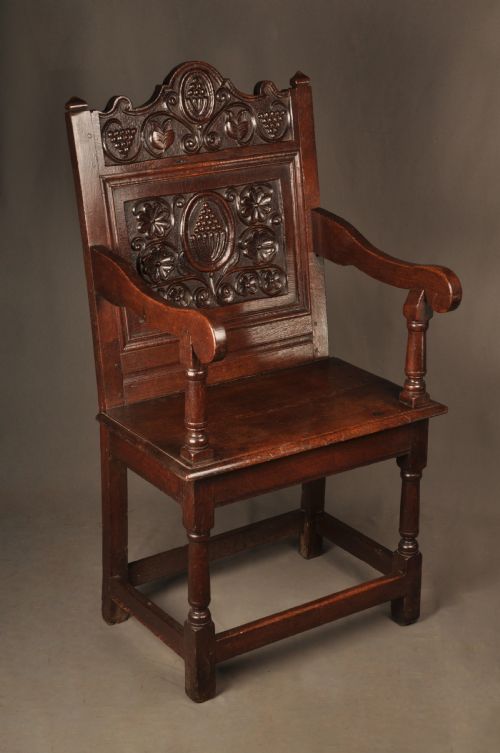
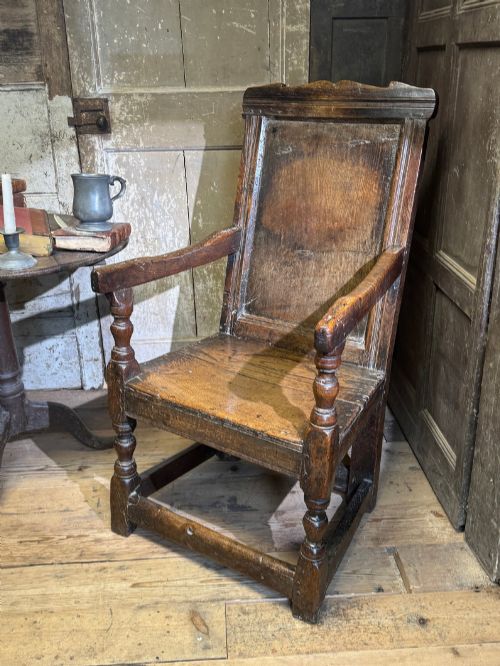
17th Century Throne Chair
A 17th century throne chair is a substantial seat of authority built in oak or walnut, offering buyers a commanding historical focal point for a room.
17th Century Throne Chair
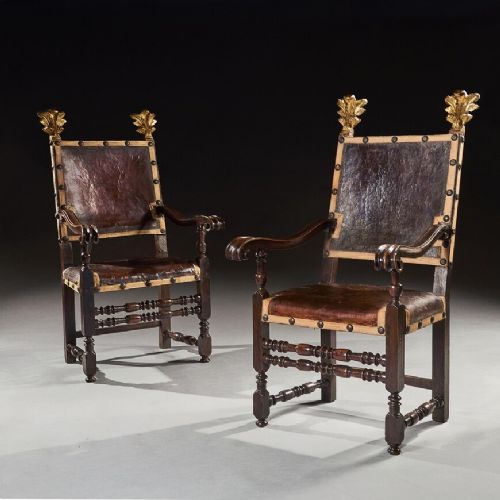
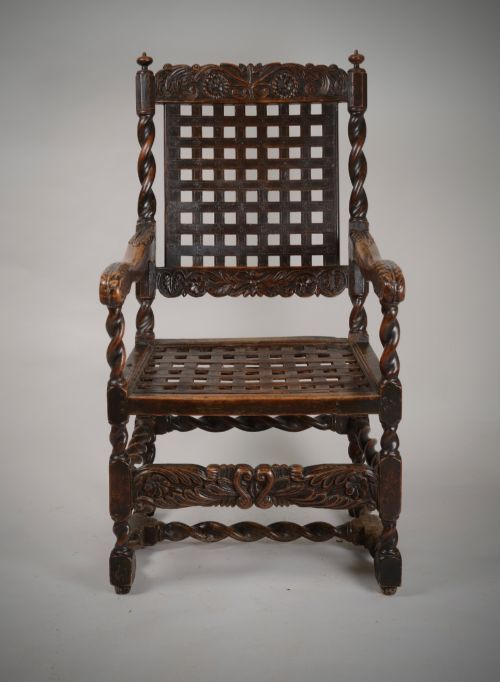
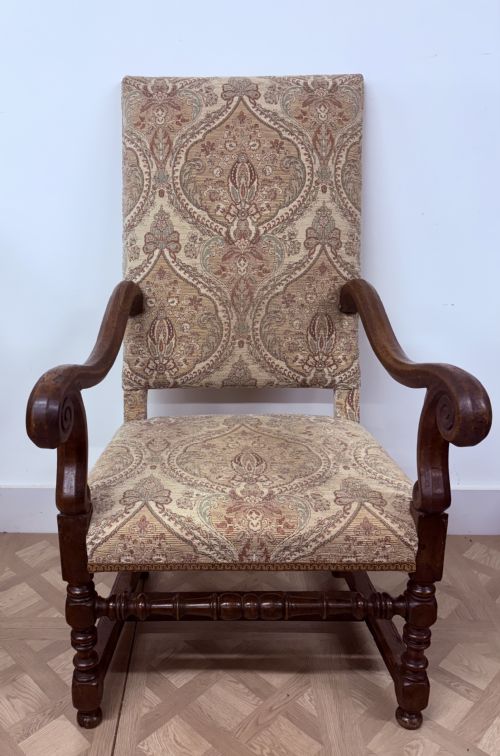
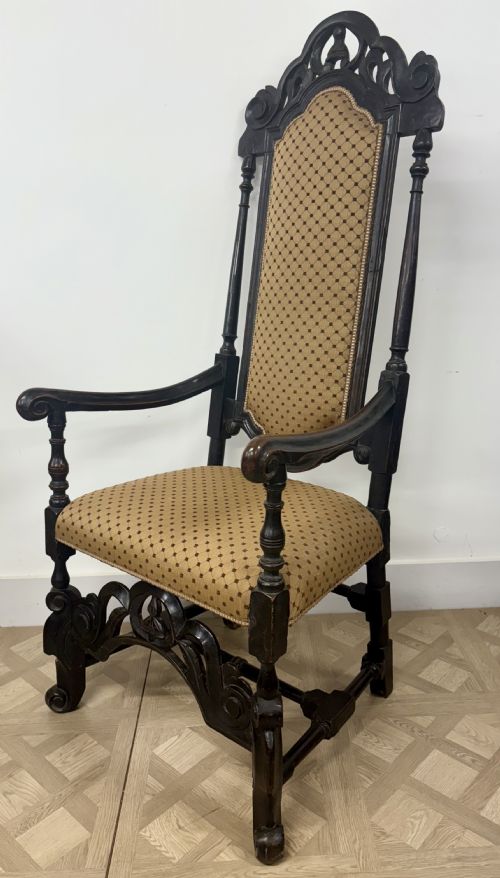
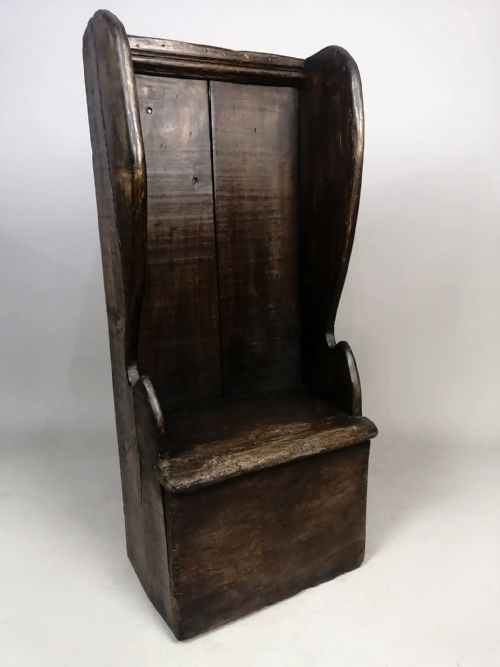
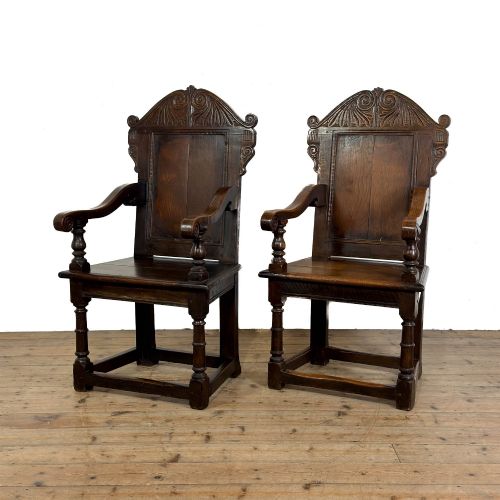
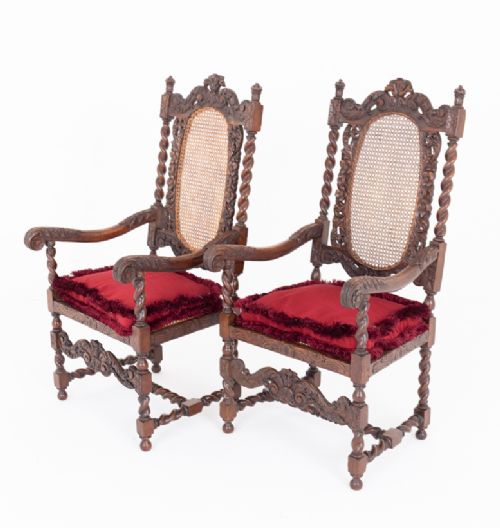
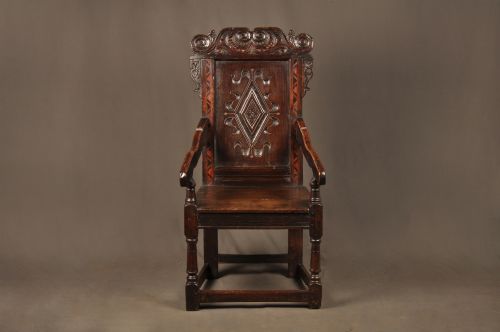
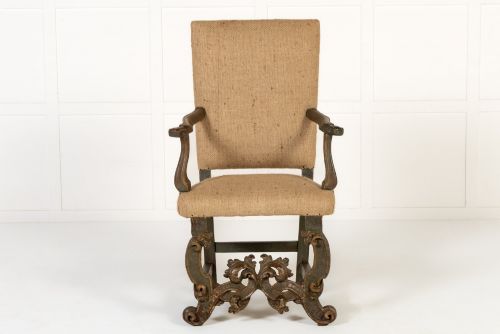
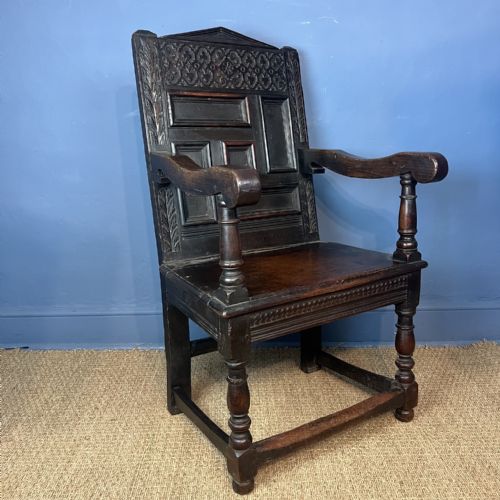
A 17th century throne chair represents imposing seating from domestic and institutional interiors, constructed with high backs and solid wooden arms. Buyers searching for a 17th century throne chair encounter regional forms such as Lancashire, Yorkshire, and Welsh wainscot chairs, alongside continental Italian Baroque examples and later 19th century revivals.
The materials recorded in these armchairs and side chairs span solid oak, walnut, fruitwood, and exotic ebony, sometimes supplemented by cane, leather, velvet, or brass elements. Surviving pieces range from authentic period artefacts to later interpretations built in the manner of the era.
How they were made
Joiners and cabinet makers constructed these chairs primarily from native timbers like oak and walnut, utilising pegged mortise and tenon joints to build rigid frames. Carving, panel moulding, and occasional parcel-gilt details transformed structural panels into decorative surfaces.
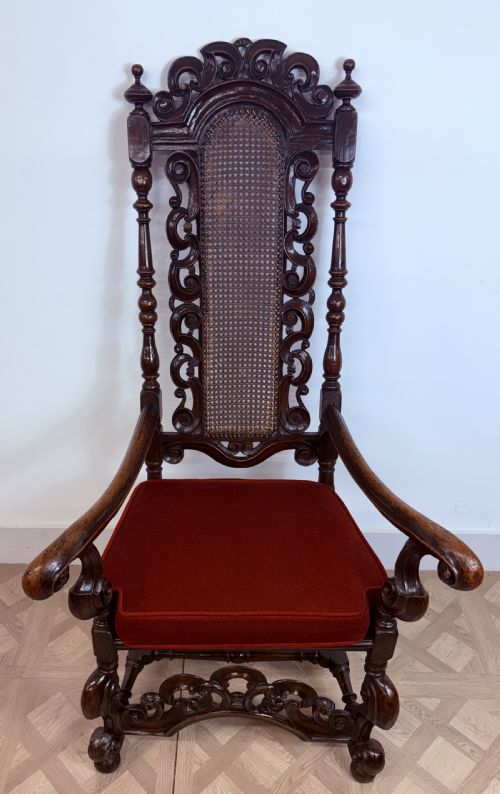
Upholstered variants integrated leather, velvet, or cane supported by brass tacks, while specific regional pieces relied entirely on turned wood spindles and solid timber boards.
Listings span multiple periods including the 17th century, 18th century, and 19th century revival eras, utilising oak, walnut, fruitwood, and cane.
What varies in quality
The calibre of a 17th century throne chair depends on the crispness of the hand carving and the integrity of the original timber frame. Depth of relief in panels and the harmony of regional proportions distinguish master-carved regional pieces from simpler utilitarian seating.
Surface patination and the survival of early timber surfaces dictate the visual depth of the chair, separating pieces with continuous history from those altered over centuries.
The 17th Century Throne Chair Glossary
- Wainscot chair
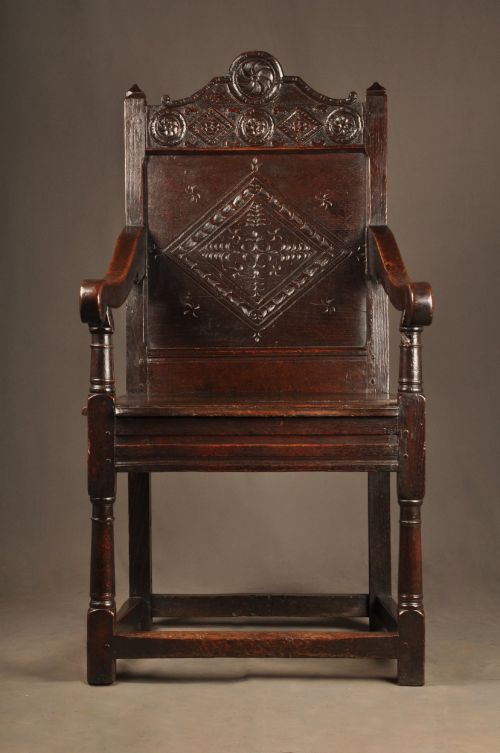
- A heavy wooden armchair characterised by a panelled back and solid seat, typical of the 17th century. These chairs were often status objects in a household.
- Carolean
- A style spanning the reign of Charles II, marked by rich carving, scrolling arms, and baroque influences. It succeeds the simpler Jacobean aesthetic.
- Jacobean
- The style associated with the reign of James I, featuring robust proportions and geometric panelling. Pieces from this period display sturdy construction.
- Parcel-gilt
- A decorative technique where specific areas of a wooden or walnut surface receive a partial application of gold leaf. This highlights carved details against dark timber.
17th Century Throne Chair: Frequently Asked Questions
Where were these chairs placed?
These imposing seats stood at the head of a long table or in the parlour as a symbol of authority for the head of the household.
They functioned primarily as fixed, stationary furniture rather than moveable seating.
How do I spot a revival piece?
Nineteenth-century revival pieces often exhibit machine tooling marks, different timber seasoning, and lighter surface finishes compared to period originals.
Examining the underside and joint construction helps determine the actual age of the wood.
What woods were used?
English and Welsh makers relied heavily on native oak, while continental workshops utilised walnut and fruitwood.
Exotic pieces constructed from solid ebony also appear from overseas trade routes.
Can I use one daily?
Solid wooden frames offer robust structural stability for everyday placement in a study or hallway.
Upholstered or leather variants require careful placement away from direct heat sources to preserve the historic materials.