


17th Century Sacred Art
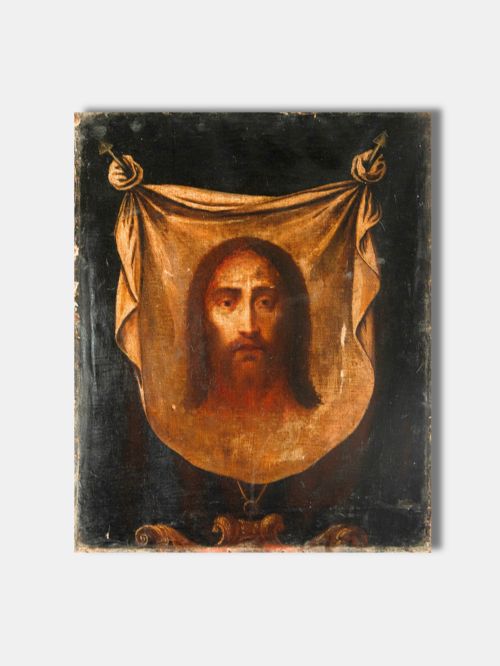
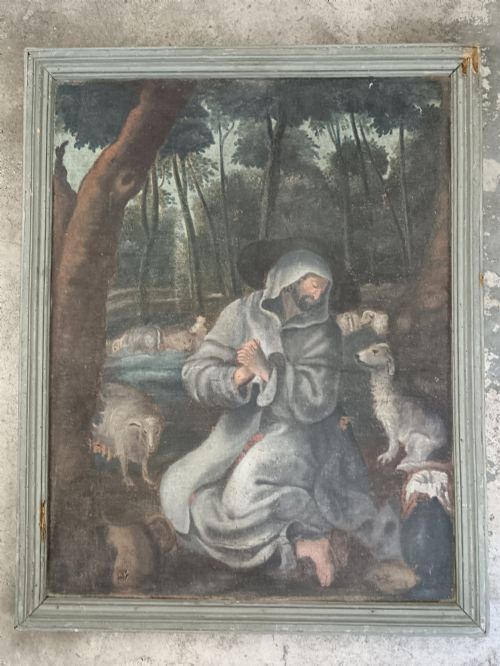
These pieces of 17th century sacred art combine spiritual devotion with centuries of hand-carved wood and oil on canvas.
17th Century Sacred Art
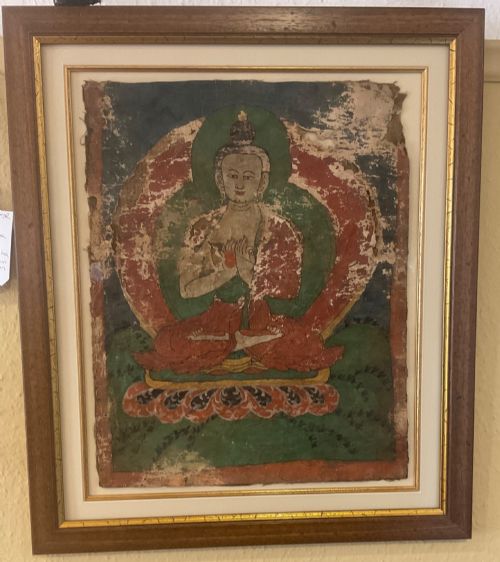
17th century sacred art spans devotional oil paintings and carved wooden sculptures originating from European, Spanish Colonial, and Tibetan Buddhist traditions. When exploring 17th century sacred art, buyers encounter depictions of holy figures, saints, and pivotal biblical or spiritual scenes rendered on canvas, wood, and panel.
The selections on this page heavily feature Spanish, Italian, Hessian, and Low Country schools alongside Tibetan Buddhist works. These objects range from framed wall art depicting the Holy Family and the Crucifixion to substantial carved limewood, applewood, and walnut figures of saints and deities.
How They Were Made
Painters applied oil and pigment directly onto canvas or prepared wooden grounds, capturing deep chiaroscuro contrasts typical of the Baroque style. Artists utilised layering techniques, sometimes revealing pentimenti where initial compositions were altered during the painting process.
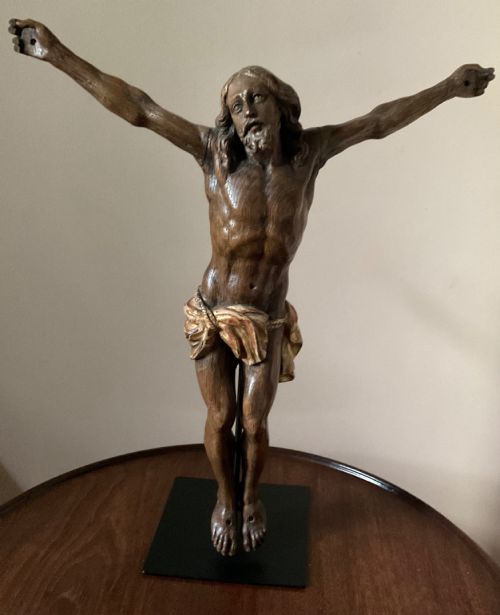
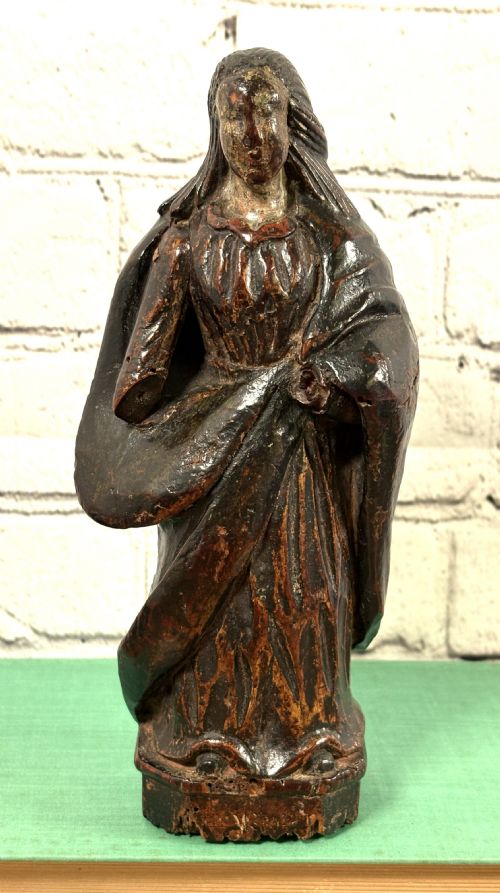
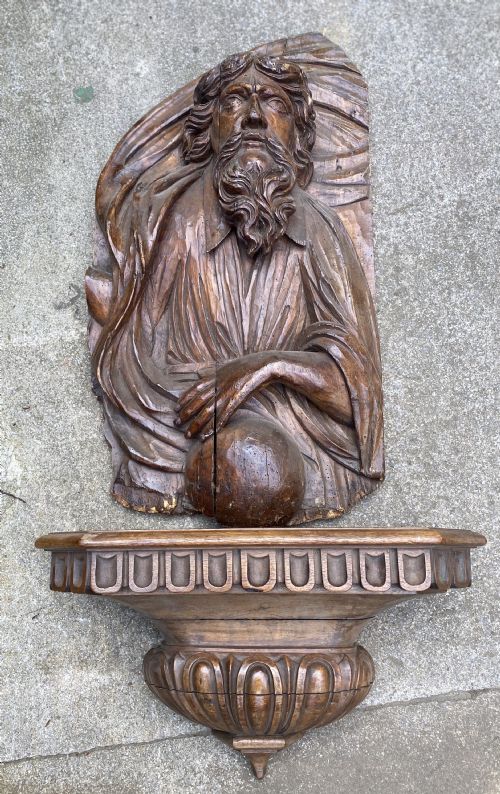
Woodcarvers shaped dense timbers like walnut, applewood, limewood, and mulberry wood using hand gouges and chisels. Figures were often finished with gesso, pigment, and sometimes gilding to enhance drapery folds and facial expressions.
Object forms include framed wall art, manuscripts, and carved figures of saints and deities in limewood, applewood, and walnut.
What Varies in Quality
The nuance in brushwork and anatomical proportion distinguishes regional workshops and master followers from naive provincial interpretations. Refined facial modelling and expressive hands elevate sculptural carvings above simpler utilitarian devotional pieces.
Material preservation dictates longevity, separating untouched original surfaces from heavily restored canvases or re-carved wooden elements. The integrity of the original ground layers and the depth of the carving determine the overall impact of the piece.
The 17th Century Sacred Art Glossary
- Baroque
- A European artistic style of the 17th century characterised by dramatic movement, deep shadow, and intense emotional tension. This aesthetic drove the dynamic compositions seen in many religious paintings of the period.
- Pentimento
- An alteration in a painting, evidenced by previous strokes or shapes showing through the top layer of oil paint. Such changes reveal the artist working out compositional details directly on the canvas.
- Corpus Christi
- The body of Jesus Christ depicted specifically on the cross. These carved wooden sculptures focus intensely on the anatomical suffering and spiritual weight of the crucifixion.
- Chiaroscuro
- The treatment of light and shade in drawing and painting. Strong contrasts give sculptural volume to figures emerging from dark backgrounds in Baroque canvases.
- Limewood
- A fine-grained, pale wood traditionally favoured by European sculptors for its uniform density. This timber permits intricate undercut carving without splitting along the grain.
17th Century Sacred Art: Frequently Asked Questions
How do I care for old oil paintings?
Keep paintings away from direct sunlight and sudden temperature shifts to protect the canvas and oil pigments. Maintain stable indoor humidity to prevent the wooden stretchers and canvas from warping or cracking.
Dust the surface gently with a soft, dry brush and avoid using any liquid cleaners or solvents. Consult a professional conservator if the paint layer shows signs of flaking or lifting.
Where were these wooden figures displayed?
Sculptures of saints and holy figures originally stood in domestic shrines, private chapels, or larger parish churches. They served as focal points for daily prayer and contemplative religious devotion.
Many of the smaller carved figures were designed for portability or intimate spaces rather than grand architectural settings. Their scale allowed owners to move them easily within places of worship or homes.
What is a school of art?
An art school refers to a group of painters or sculptors working in a specific region and sharing stylistic traits. These artists often followed the methods of a prominent master or local tradition.
Attributions to schools like the Veronese or Hessian traditions help historians group works by technique and geographic origin. This classification aids in understanding regional preferences in devotional imagery.
How do I identify a carved wooden saint?
Look for traditional attributes held by the figure, such as an orb for God the Father or specific vestments associated with monastic orders. Tool marks on the reverse often point to period hand-carving techniques.
Examine the wood type and the manner in which the drapery folds are carved to understand the regional style. Original polychrome paint or gesso remnants also provide clues to the object's age and origin.