


17th Century Oil Art
17th century oil art comprises period canvas and panel paintings depicting historic figures, religious scenes, and landscapes.
17th Century Oil Art
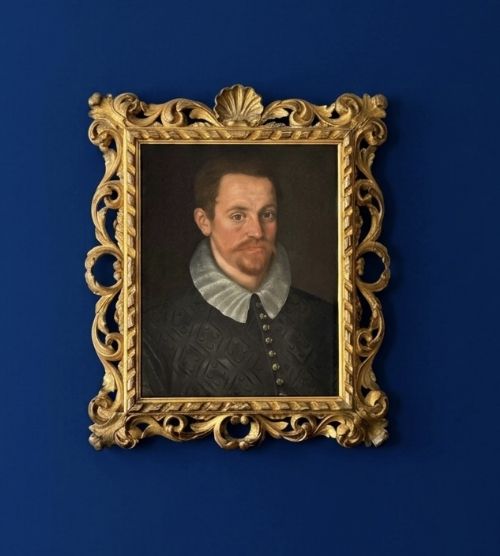
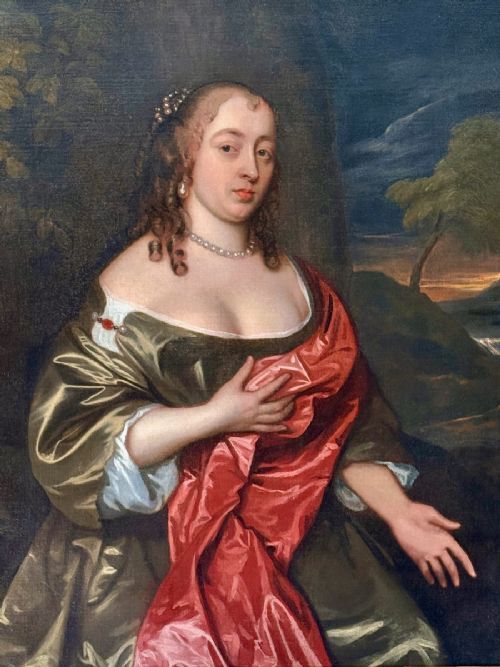
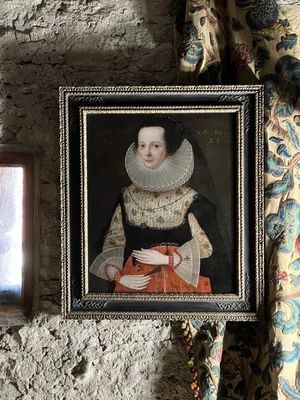
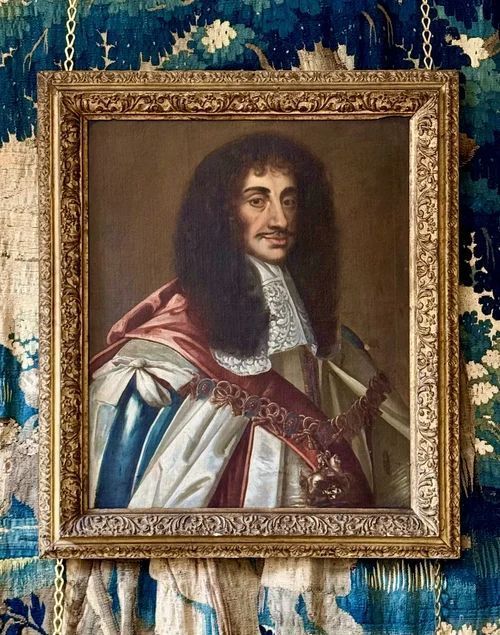
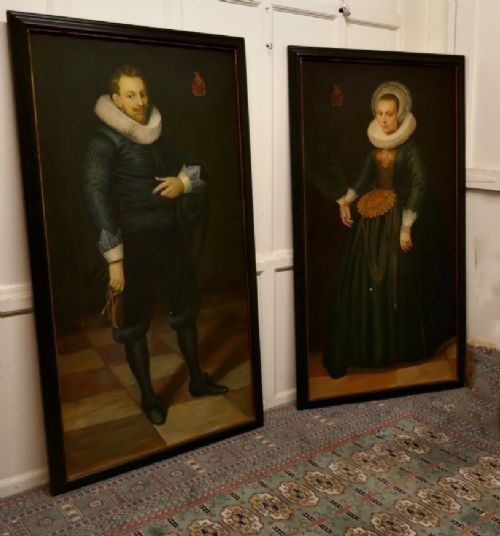
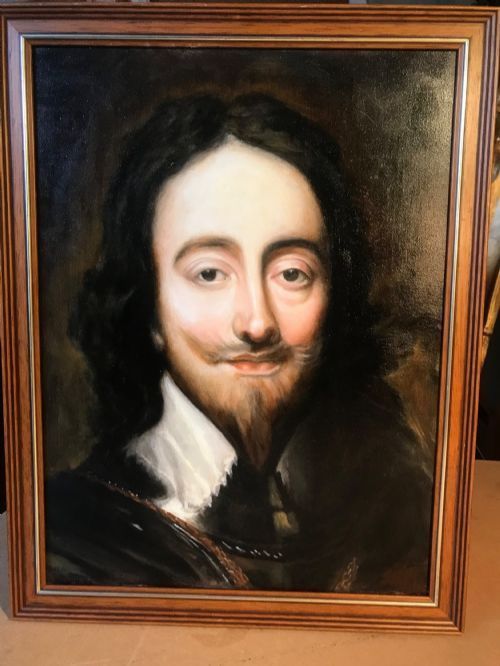
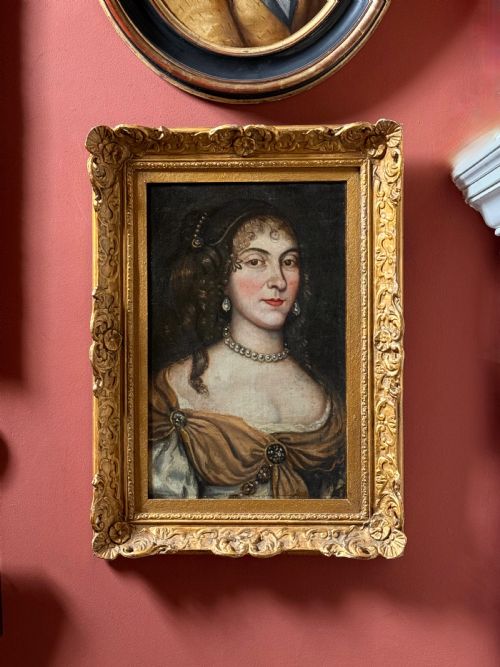
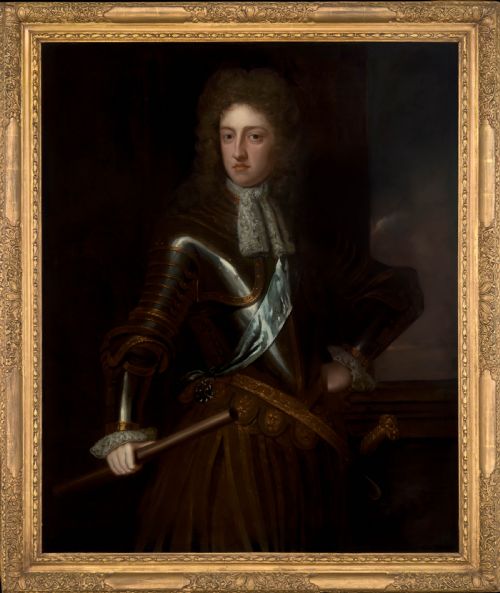
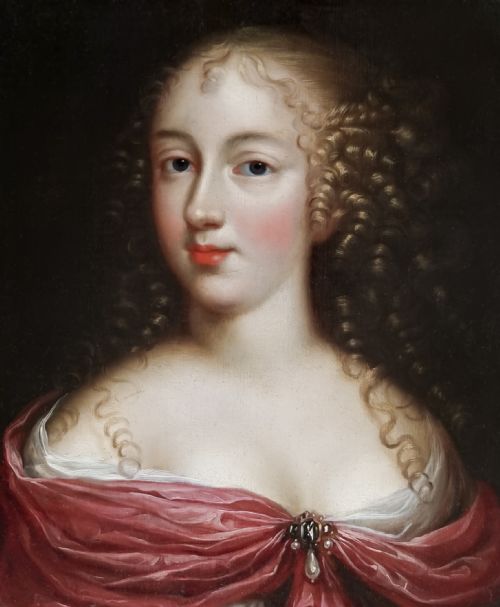
When searching for 17th century oil art, collectors encounter historic paintings originating from British, Dutch, Flemish, and Italian schools. These works consist predominantly of portrait paintings depicting nobility, military officers, and gentlemen in elaborate costume or armour.
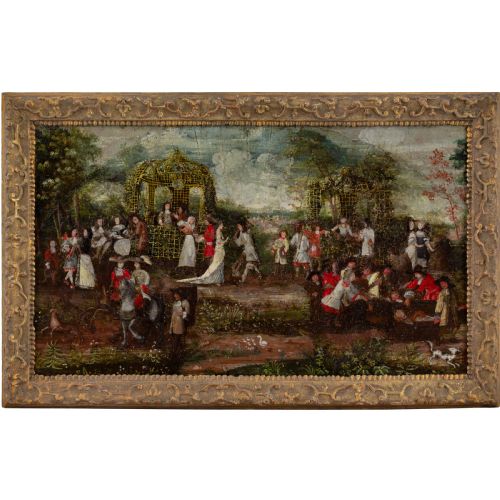
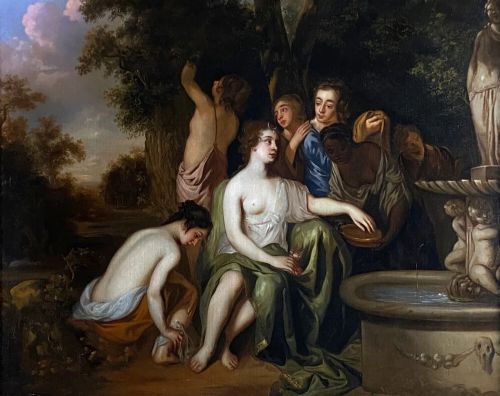
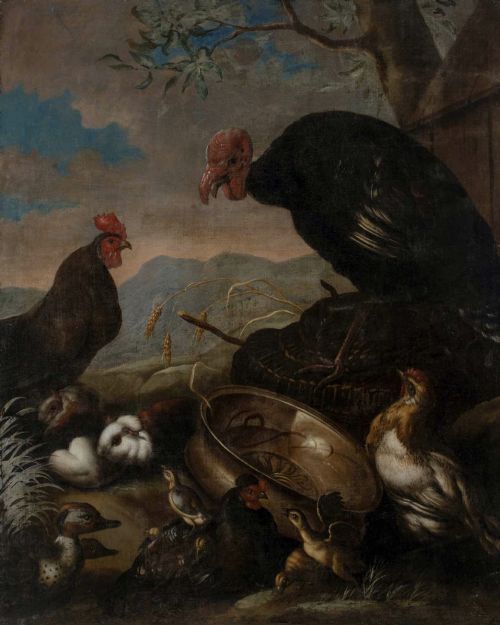
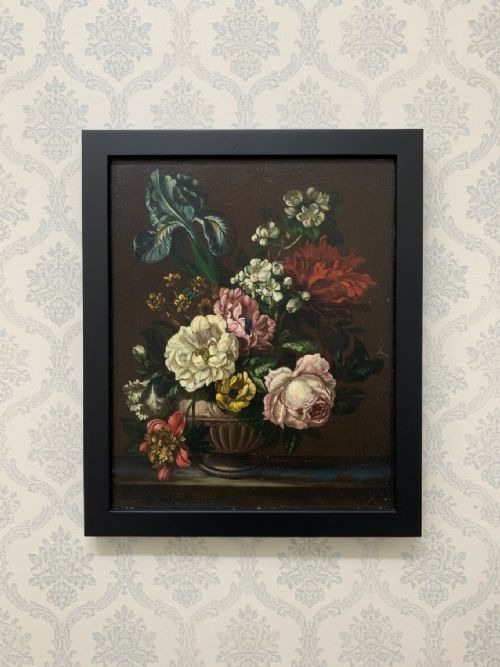
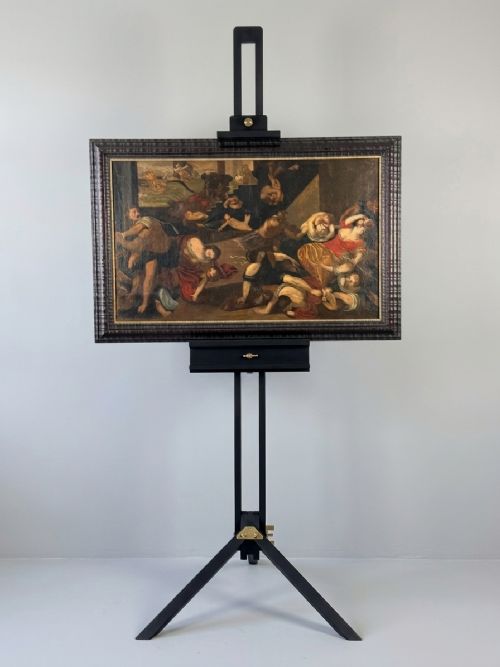
The inventory on this page also includes mythological scenes, maritime views of boats in gales, still lifes of fowl, and religious subjects painted on canvas or wood panel. Works span the Baroque style and Dutch Golden Age, alongside later interpretations and copies produced across subsequent centuries.
Materials and Technique
These historical works utilise oil paint applied to woven canvas, vinyl canvas, or solid wood panels. Canvases are frequently stretched over wooden frames, whilst panels provide a rigid flat support for detailed brushwork.
Artists of the period employed layered oil pigments mixed with binders to build depth, shadow, and luminosity in garments, skin tones, and background landscapes. Frames fashioned from giltwood frequently accompany these paintings.
Current listings feature oil on canvas and wood panel supports spanning the seventeenth through to the twentieth centuries.
Judging Quality in Period Paintings
Quality in 17th century oil art rests on the handling of light, shadow, and anatomical proportion by the artist or workshop. Master works from established circles display confident brushwork in lace collars, periwigs, and drapery.
Sir Anthony van Dyck·Sir Peter Lely·Sir Godfrey Kneller·John Hayls·John Michael Wright·Pieter Borsseler·Bonaventura Peeters·Angelo Maria Crivelli
The 17th Century Oil Art Glossary
- Baroque
- A European artistic style spanning the seventeenth and early eighteenth centuries, characterised by drama, deep shadow, and rich detail. It is frequently seen in the portraits and religious compositions of the period.
- Oil on Canvas
- A traditional painting medium where pigmented oil is brushed onto a stretched woven fabric support. This combination allows for flexible application and complex blending of colours.
- Wood Panel
- A rigid flat support made from timber used by artists before canvas became universal. Panels preserve early oil paintings with distinct surface textures.
- Pentimento
- An alteration in a painting evidenced by visible traces of previous brushstrokes beneath the final layer. This occurrence reveals the artist changing their composition during the creative process.
- Circle of
- A designation indicating that a painting was produced by an unidentified artist working closely alongside a master and absorbing their specific style.
17th Century Oil Art: Frequently Asked Questions
How do I identify a 17th century portrait?
Look closely at the costume details, such as lace ruffs, embroidered doublets, periwigs, and armour styles typical of the period. Pigment cracking and canvas texture also help determine the age of the work.
Compare the sitter's clothing and hair against documented historical portraiture from British and Dutch schools of the sixteen-hundreds.
What is the difference between canvas and panel?
Canvas paintings utilise a woven textile stretched over a frame, which yields slightly under pressure. Wood panels consist of solid boards that provide a completely rigid painting surface.
Panels are more commonly found in earlier works or specific northern European traditions, whilst canvas gained widespread preference for larger portraits.
How should I care for antique oil art?
Keep paintings away from direct sunlight, heating vents, and damp environments to protect the fragile oil pigments and wood supports. Avoid using liquid cleaners on the painted surface.
Maintain a stable indoor temperature and humidity level to prevent the canvas from sagging or the wood panel from splitting over time.
What does circle of an artist mean?
This attribution describes a painter who worked in the direct studio environment of a well-known master. These artists adopted the techniques and visual style of the primary figure.
Such works date from the same period and reflect high standards of execution without bearing the master's signature.