

17th Century Oak Side Table
A 17th century oak side table brings solid seventeenth-century craft and rich timber surface to a hallway or living space.
17th Century Oak Side Table
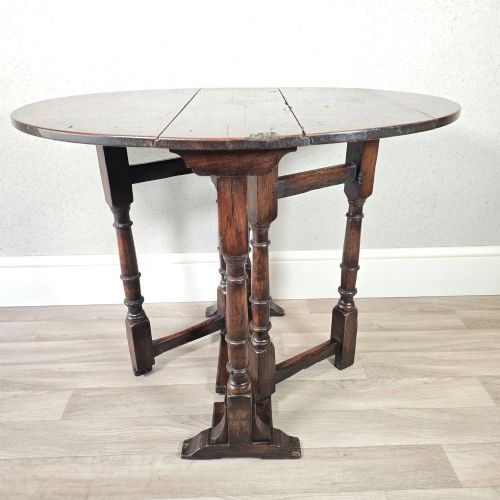
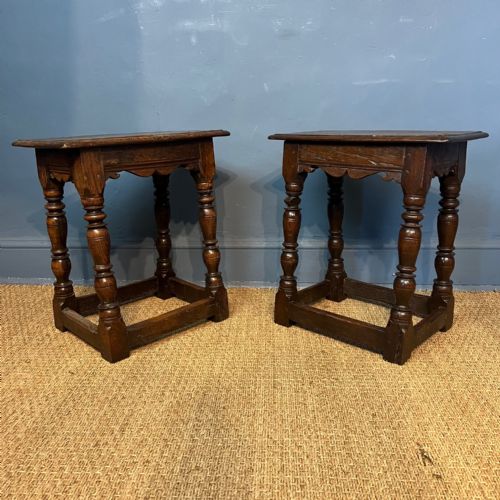
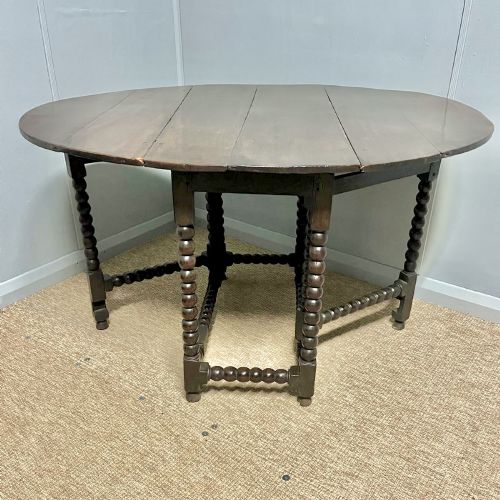
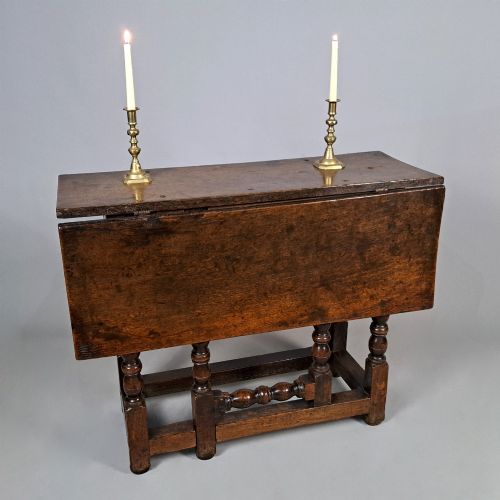
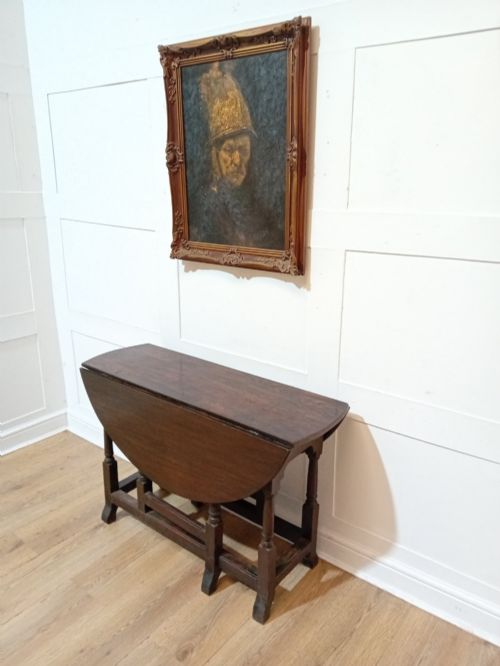
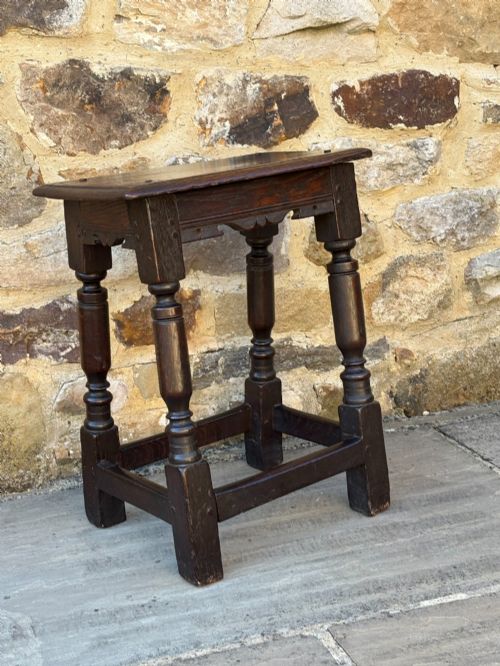
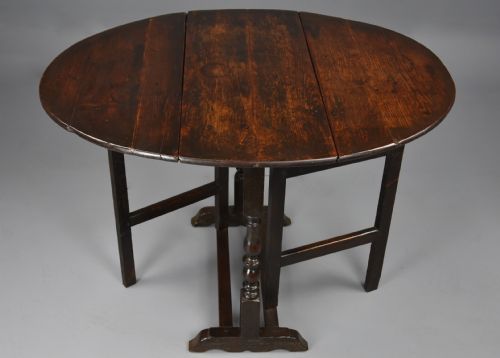
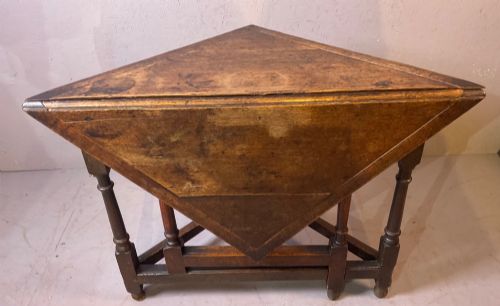
A 17th century oak side table is a functional low table utilised for storage or display, originating primarily from seventeenth-century English workshops. These pieces appear alongside related forms such as joint stools, gateleg tables, and lowboys from periods spanning the Charles II and William and Mary eras.
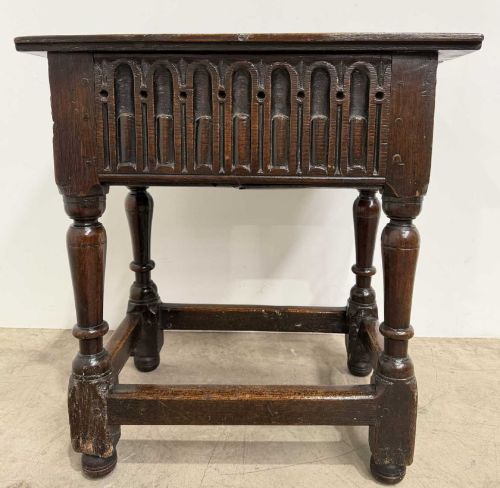
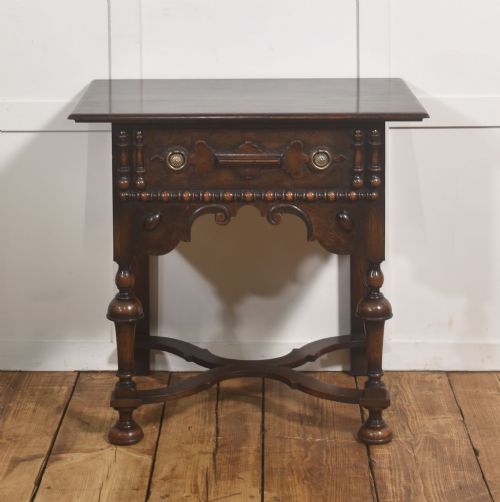
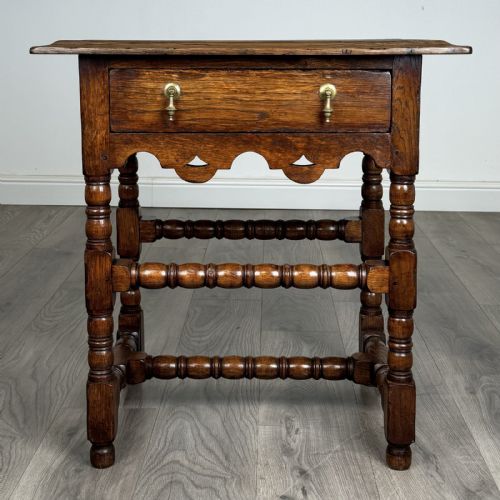
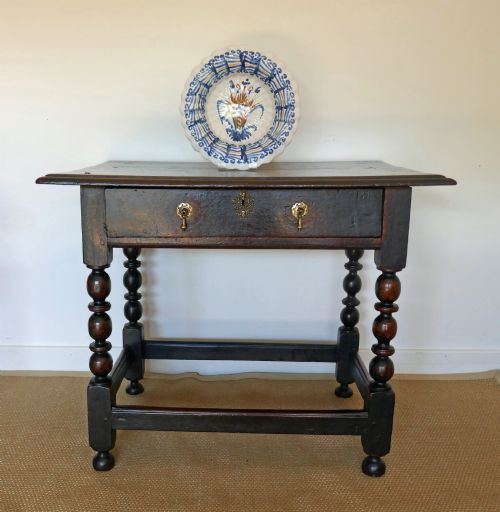
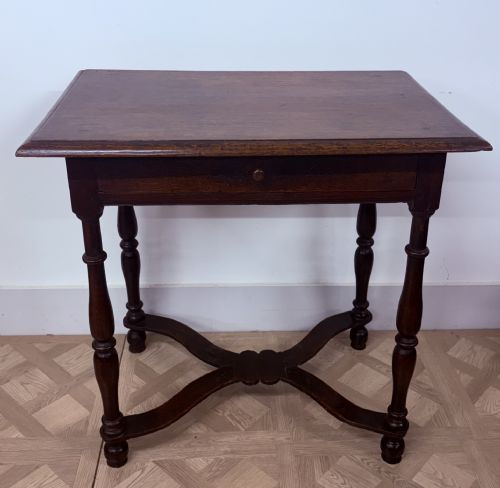
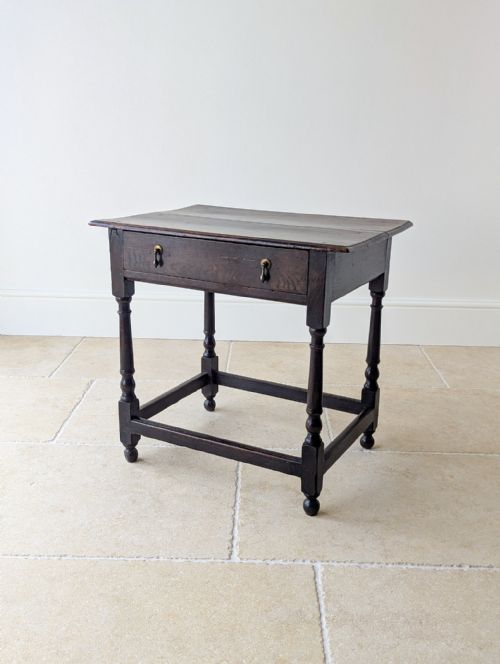
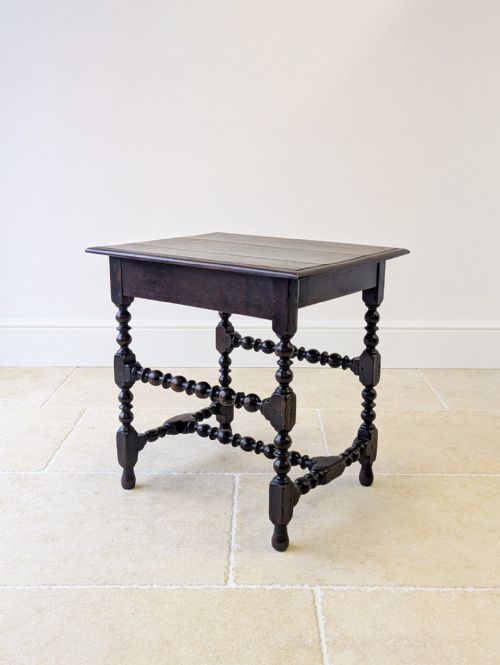
The primary examples seen here exhibit rectangular timber tops above single drawers or open frames, supported by turned or straight legs. Makers constructed these items for domestic utility, resulting in practical proportions that suit modern interiors as occasional or lamp tables.
How they were made
Carpenters built these tables using native English hardwoods, predominantly solid oak supplemented by elm, ash, and beech for structural framing and secondary elements. Traditional joinery methods such as mortise and tenon joints secured the frames without reliance on modern metal fixings.
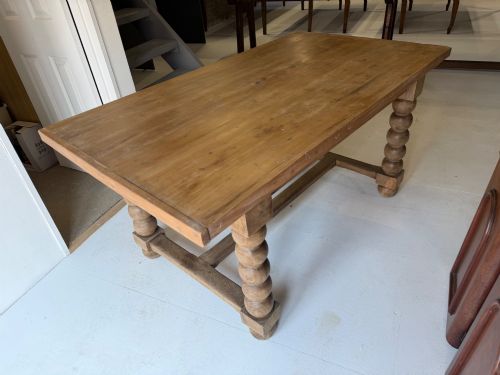
Turners shaped the upright supports on lathes, producing characteristic bobbin-turned, barley twist, and baluster profiles. Drawer fronts frequently display geometric mouldings or simple wood inlay, while hardware incorporates brass handles and iron fittings.
17th Century Oak Side Table Retail Price Guide 2026
Typical asking prices for 17th century oak side table among the pieces listed under this phrase on Sellingantiques today, from the lower quarter to the upper quarter. They describe what is for sale here now, not the wider market.
Listings include oak, elm, ash, and walnut timbers, alongside painted finishes and wood inlay.
What varies in quality
The distinction between ordinary and superior pieces rests in the integrity of the timber surface and the crispness of the turning. Tables retaining an untouched, original patina with deep colour and minimal board replacement command greater appreciation than those heavily restored.
Proportion and scale also dictate quality, as smaller examples with bold, well-balanced dimensions demonstrate superior craftsmanship. The complexity of the structural joinery and the depth of carved or moulded drawer fronts further separate standard utility items from finer domestic commissions.
The 17th Century Oak Side Table Glossary
- Bobbin-turned
- A style of leg or stretcher shaped on a lathe to resemble a string of rounded wooden beads. This turned profile appears frequently on furniture from the mid to late seventeenth century.
- Joint stool
- A sturdy wooden seat constructed with mortise and tenon joints using pegged frames. These low forms share construction methods and timber characteristics with contemporary side tables.
- Gateleg table
- A drop-leaf table featuring hinged flaps supported by swing-out legs that pivot like a gate. This form allowed tables to expand for dining and fold down for compact storage.
- Lowboy
- A small oak or walnut table equipped with one or more drawers, standing on relatively tall legs. These surfaces functioned historically for dressing or serving.
17th Century Oak Side Table: Frequently Asked Questions
How do I date a 17th century oak side table?
Dating relies on examining the construction methods, tool marks, and timber shrinkage visible beneath the top and inside the drawer linings. Hand-riven boards and pegged joints indicate period manufacture.
Stylistic markers such as bobbin legs, geometric drawer mouldings, and specific turning profiles help narrow the decade between the reign of Charles II and the William and Mary period.
Were these tables used for dining?
Side tables provided auxiliary surface space for serving food and holding lighting rather than acting as primary dining tables. Gateleg and refectory formats handled larger meals.
Smaller side tables functioned in parlours and chambers for holding books, documents, or decorative objects.
How do I care for antique oak timber?
Maintain the surface by applying natural beeswax sparingly and buffing gently with a soft cloth to nourish the wood grain. Avoid synthetic polishes and silicone sprays.
Keep tables away from direct heat sources and drastic humidity changes to prevent timber splitting and shrinkage.
What is original patina on oak?
Original patina refers to the deep, lustrous surface sheen developed through decades of oxidation, cleaning, and human contact. This layered skin cannot be replicated by modern finishing techniques.
Surfaces retaining this untouched finish display subtle variations in colour and texture accrued over centuries.