



17th Century Iron Chest
These heavy-duty iron chest pieces offer secure storage built to last, forged from iron and oak with mechanical locks.
17th Century Iron Chest
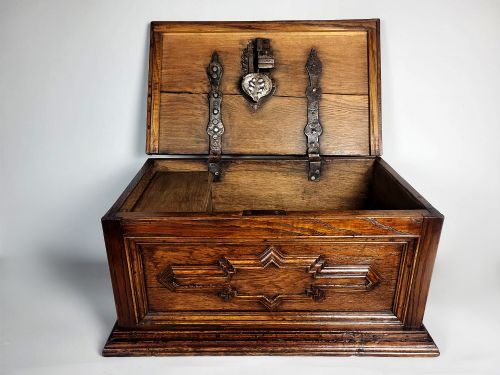
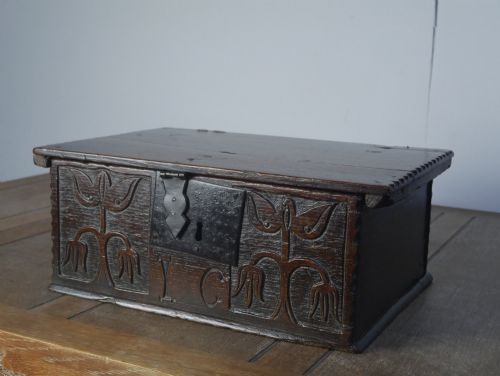
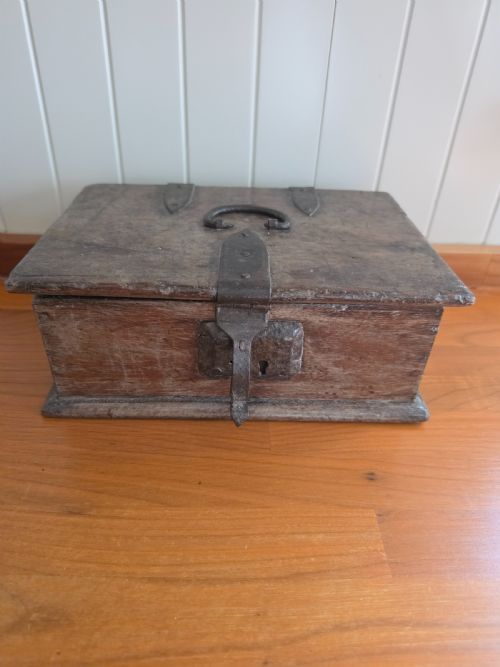
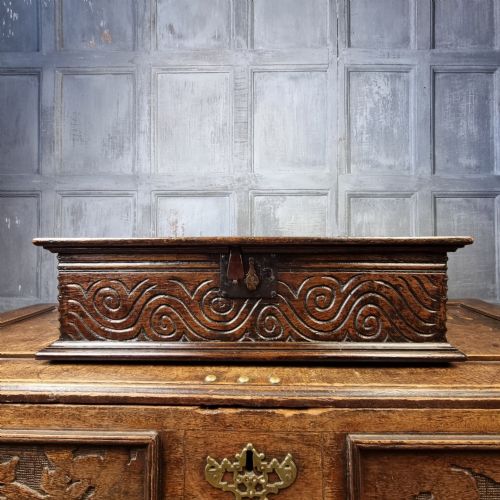
When searching for a 17th century iron chest, you encounter heavily forged metal boxes, banded coffers, and reinforced storage receptacles designed for valuables. The selection commonly includes iron Armada chests, iron-bound walnut and oak trunks, and heavy locking strongboxes.
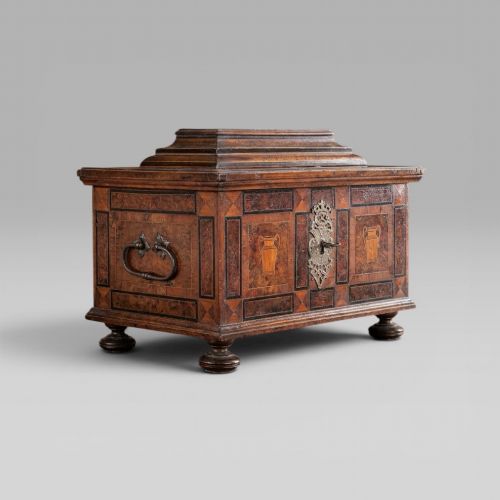
These items originate across European workshops, spanning Spanish Baroque, Flemish Renaissance, and English vernacular styles. You also find travel caskets and deed boxes constructed to safeguard documents and currency.
The objects combine timber framing with strapwork iron reinforcement, or consist entirely of plate iron and steel mechanisms. Their primary purpose was domestic and institutional security before the advent of modern banking.
Materials and construction methods
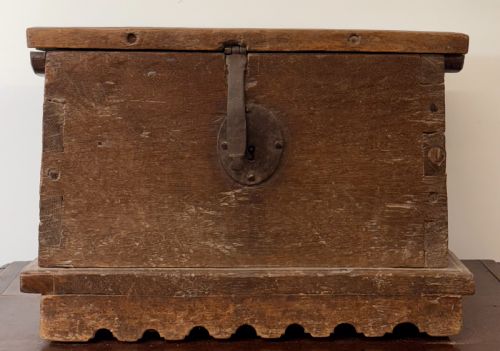
The construction relies heavily on hammered iron, wrought iron, and heavy oak timbers, supplemented by walnut, fruitwood, and leather coverings. Blacksmiths shaped straps, hinges, and corner brackets by hand to bind wooden carcases or form entire metal boxes.
Complex internal locking mechanisms form the technical core of these pieces, often engaging multiple bolts across the lid simultaneously. Smiths used engraved steel plates and intricate cover plates to conceal the keyholes and deter tampering.
Listings feature iron, oak, walnut, and leather materials applied to regional forms across the sixteenth and seventeenth centuries.
Distinctions in craftsmanship
Quality rests in the complexity of the internal locking mechanism and the precision of the hand-forged iron strapwork. Pieces with fully operational original keys and intact decorative engraving command greater interest.
The integrity of the timber framing and the survival of original surface finishes, such as early paint or patinated leather, determine the historical weight of the piece. Superior examples retain their original hinges, brackets, and structural fasteners without modern replacement.
The 17th Century Iron Chest Glossary
- Armada chest
- A heavy iron strongbox manufactured in Germany, typically fitted with a complex lid mechanism throwing multiple bolts. These boxes gained their traditional English name from the mistaken belief that they were salvaged from Spanish ships.
- Nuremberg chest
- An alternative term for a plate-iron strongbox produced by German metalworkers for secure transport of valuables. They feature elaborate interior lock plates often disguised beneath decorative metal covers.
- Cooffer
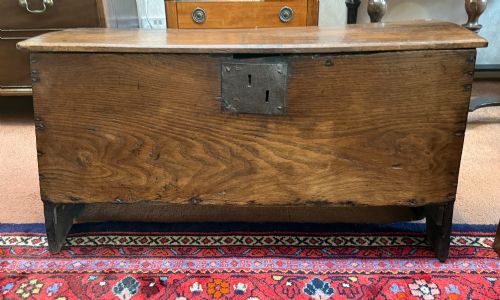
- A solid wooden box with a lid, frequently reinforced with iron bands and used for storing textiles, documents, or valuables. Early examples rely on six-plank construction or framed panel joinery.
- Vargueno
- A traditional Spanish cabinet form featuring a drop-front writing surface concealing numerous small drawers and compartments. These units sit upon matching stands or enclosed lower chests.
- Strapwork
- Decorative or reinforcing bands of iron fastened across the exterior of wooden chests to provide structural rigidity. Blacksmiths shaped these strips with chisel work and punched details.
17th Century Iron Chest: Frequently Asked Questions
What were iron chests used for?
These containers served as secure strongboxes for storing precious metals, legal documents, currency, and high-value domestic goods. Merchants and noble households relied on them before fixed wall safes became common.
Their heavy weight and complex locks discouraged theft during a period when secure transport and storage required robust physical barriers.
How do I operate the lock?
Most period locking mechanisms require an original or precisely matched iron key to engage the internal levers and spring bolts. Turning the key typically moves a central spider or plate that throws multiple locking bars simultaneously.
Care is required when turning historical steel mechanisms to avoid stressing the original hand-forged parts.
Are all iron chests made entirely of metal?
Many examples combine heavy timber carcases, such as oak or walnut, with exterior strapwork and iron plate reinforcement. Other variants, particularly Armada and Nuremberg types, are constructed entirely from sheet iron and steel.
Both forms belong to the same protective tradition of heavy storage vessels.
How should I clean the iron surface?
Maintenance requires gentle dusting with a dry cloth and occasional light application of microcrystalline wax to inhibit oxidation on exposed iron. Moisture should be avoided to prevent active rusting on unpainted metal surfaces.
Preserving the dark patination accumulated over centuries maintains the historical character of the metalwork.
Where were these chests manufactured?
Production centres spanned Germany, particularly Nuremberg, alongside workshops in Spain, Flanders, France, and England. Continental makers specialised in plate-iron locking boxes, while English and Welsh makers focused on iron-bound timber coffers.
Trade routes distributed these security containers across Europe for domestic and institutional use.