

17th Century Frame
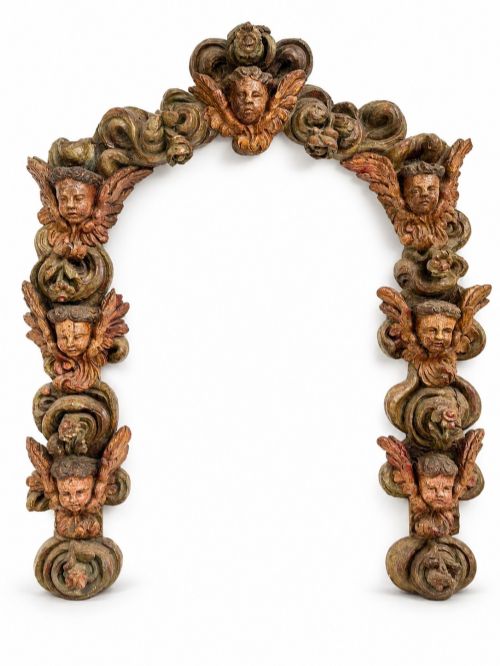
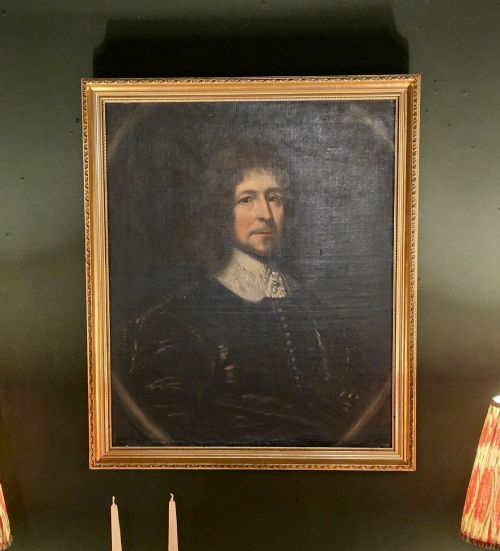
A 17th century frame holds oil paintings, maps, and textiles from the Jacobean, Stuart, and Baroque periods.
17th Century Frame
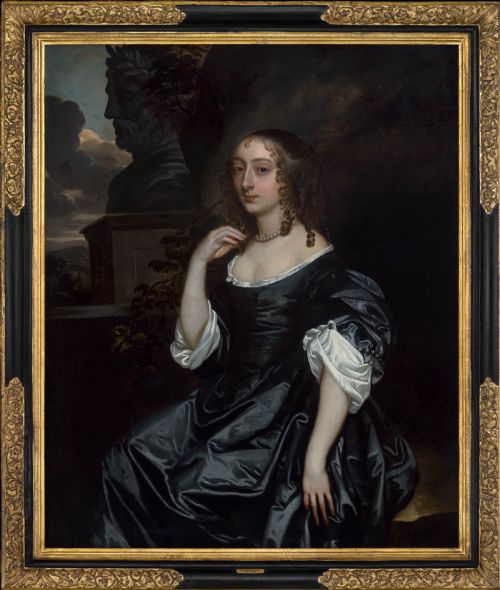
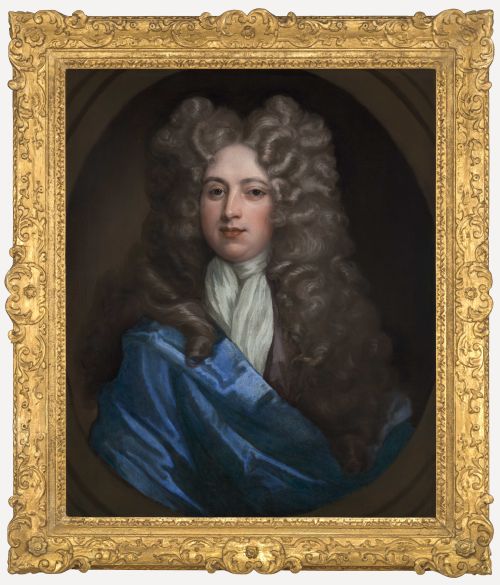
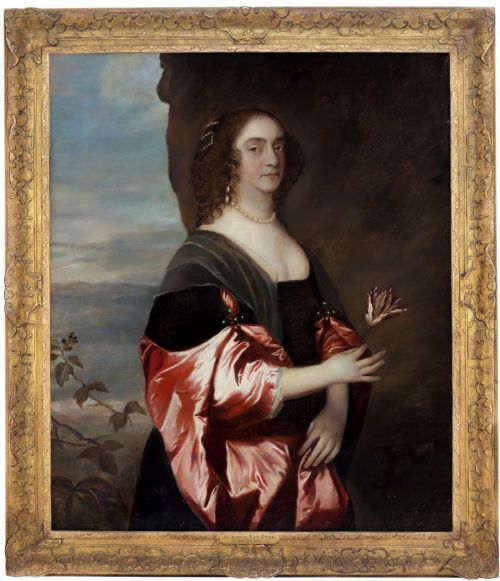
When searching for a 17th century frame, buyers encounter antique wooden housings, giltwood borders, and surrounds that enclose oil paintings, portrait panels, and maps. These pieces originate from British, Dutch, Flemish, and Italian schools, spanning the 17th century alongside later interpretations from the 18th to 20th centuries.
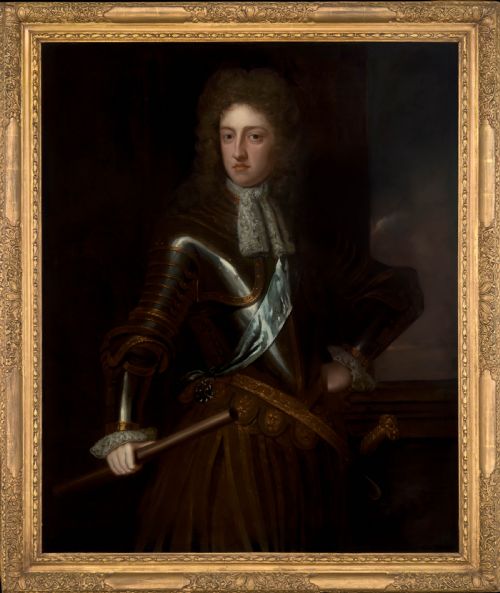
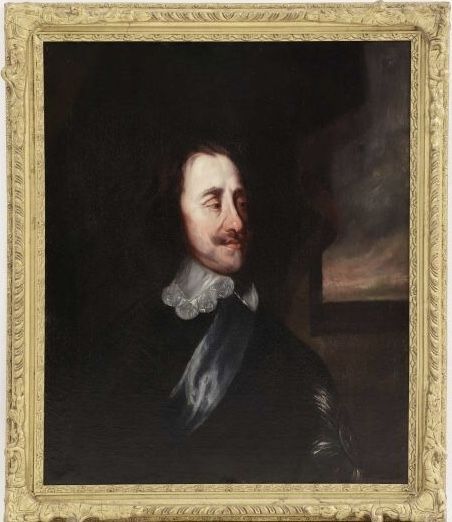
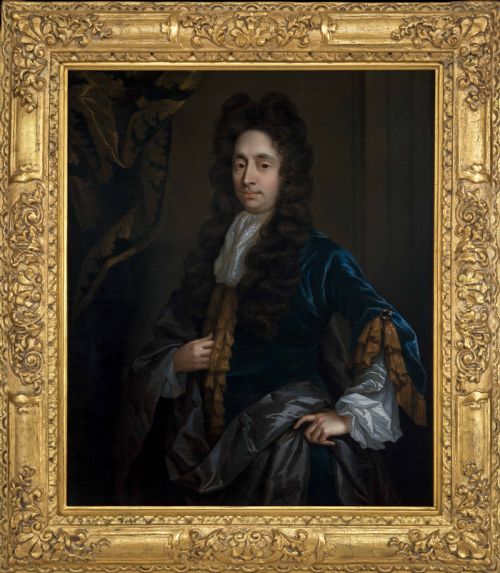
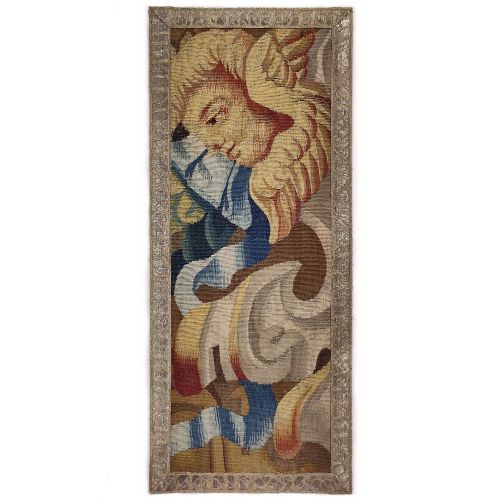
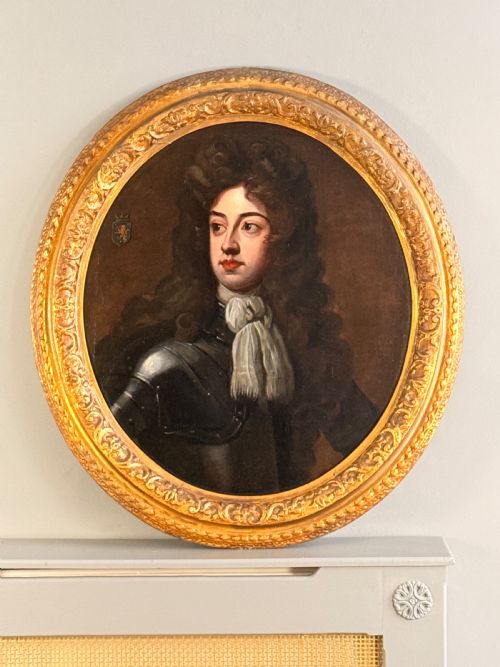
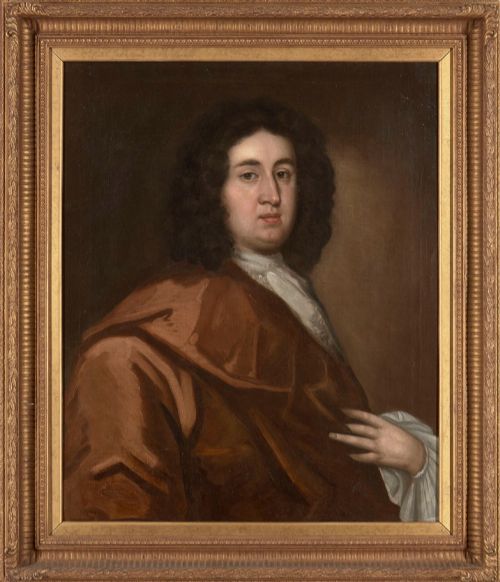
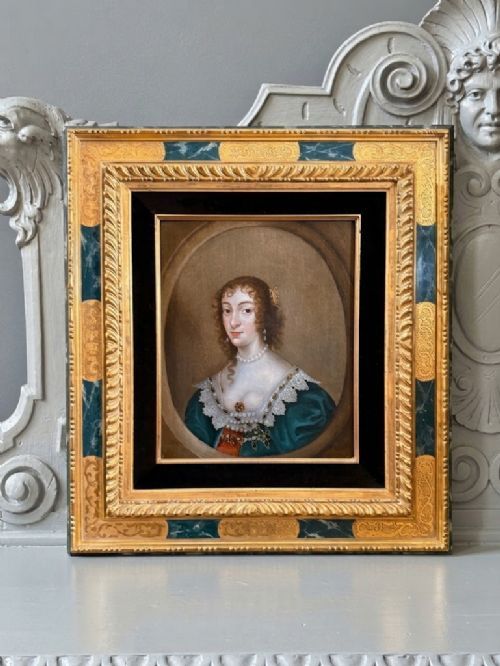
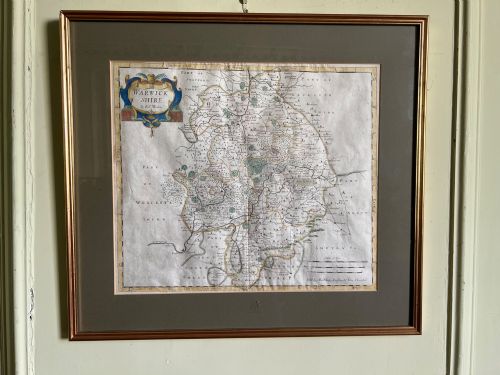
The selections on this page pair period artwork, such as portraits of noblemen and classical scenes, with authentic wooden structures. Alongside paintings on canvas and panel, buyers find framed antique maps and embroidered textile art originating from the same era.
Most pieces combine period artwork with corresponding frames, representing styles from Dutch Golden Age Baroque to English Jacobean craftsmanship. The inventory includes oil paintings, mezzotint prints, and cartographic works set within period timber.
How they were made
Craftsmen built these surrounds using timber, applying gold leaf and gesso to create giltwood finishes on wooden bases. Carved wooden mouldings define the borders of panels and canvas paintings.
Artisans applied oil paint and gouache onto canvas, panel, and paper supports, incorporating materials like glass for framed maps and engravings. Frames utilise traditional joinery methods suited to oak and softwood constructions.
17th Century Frame Retail Price Guide 2026
Typical asking prices for 17th century frame among the pieces listed under this phrase on Sellingantiques today, from the lower quarter to the upper quarter. They describe what is for sale here now, not the wider market.
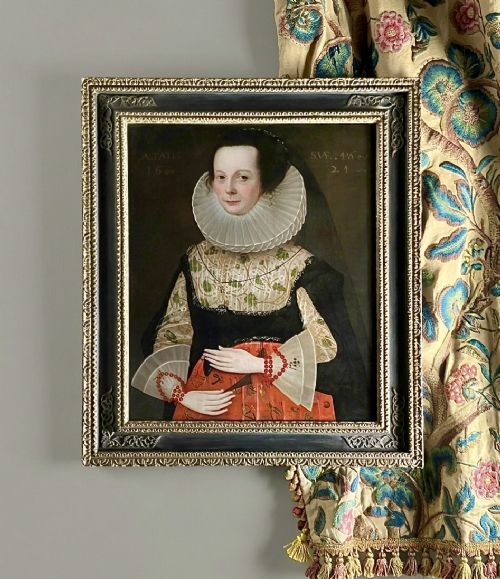
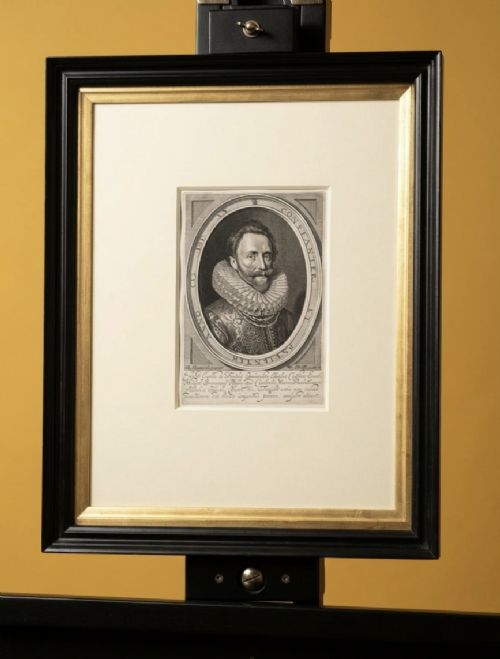
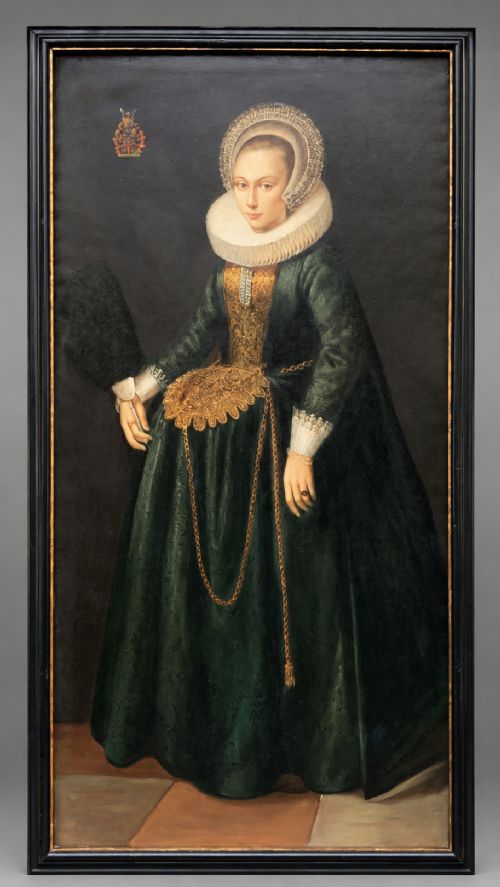
Several noblemen on this page sport exceptionally stiff ruff collars that look entirely hazardous to turn the head.
What varies in quality
The standard of a piece rests on the depth of the carved woodwork and the preservation of the original giltwood surface. Finely executed mouldings and intact gold leaf elevate the visual weight of the frame.
Execution within the artwork or map housed inside determines overall significance, distinguishing studio work and named portrait painters from lesser regional copies. The harmony between the period frame and its enclosed painting dictates the integrity of the piece.
Sir Godfrey Kneller·Sir Peter Lely·John Speed·Cornelius Johnson·Thomas Murray
The 17th Century Frame Glossary
- Giltwood
- Wood coated with gold leaf or gold paint applied over a prepared gesso ground. This finish characterises high-status frames from the Baroque period.
- Oil on panel
- A painting technique where pigments bound in oil are applied to a wooden board rather than canvas. Oak panels were standard in early English and Dutch works.
- Mezzotint
- A printmaking process of the intaglio family where tones are scraped from a roughened metal plate. It allows for rich gradations of light and shade in portraiture.
- Cartouche
- An ornamental tablet or panel frame, often resembling rolled paper or leather, frequently found on antique maps to enclose titles and cartographer details.
17th Century Frame: Frequently Asked Questions
What periods do these frames represent?
The selection spans authentic 17th-century pieces alongside later interpretations created in the 18th and 19th centuries.
Craftsmanship reflects stylistic shifts from Jacobean austerity to elaborate Baroque and Dutch Golden Age ornament.
Are the paintings original to the frames?
Many listings present period oil paintings, portraits, and maps housed within contemporary or matched surrounds.
Buyers find both unified historic pairings and works where the frame and artwork share a period origin.
What materials make up these items?
Construction relies primarily on wood, giltwood, and gold leaf framing oil on canvas, oil on panel, and paper.
Some examples incorporate glass protection over antique maps and delicate textile art panels.
How do I identify a Jacobean piece?
Jacobean items typically feature darker woods, linear carved mouldings, and formal portraits of subjects in ruff collars.
These early 17th-century works contrast with the later, more exuberant carved giltwood styles of the Restoration.