

17th Century Ceramics
Seventeenth century ceramics unite global trade routes through tin-glazed earthenwares, cobalt-painted porcelains and robust stonewares that transform domestic interiors.
17th Century Ceramics
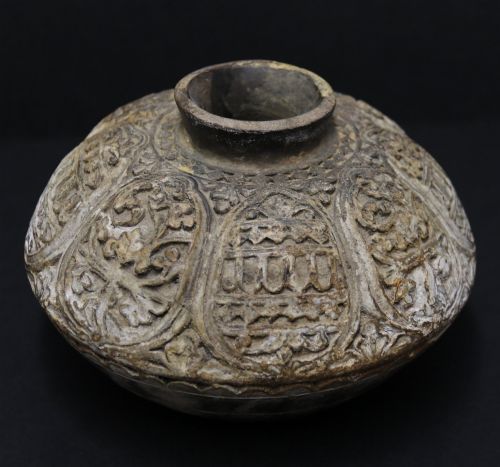
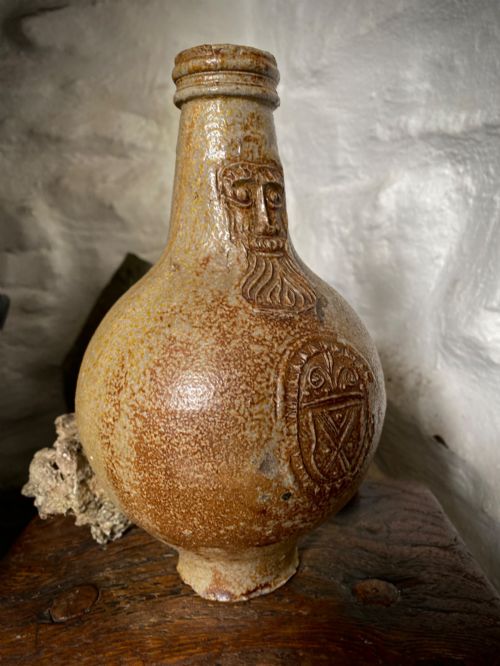
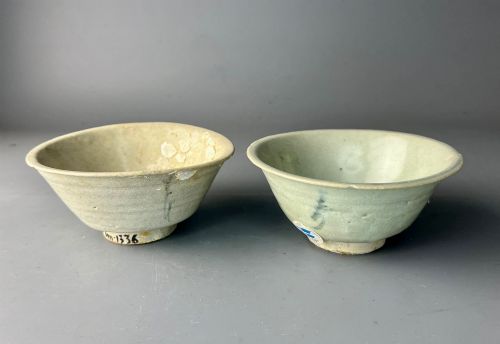
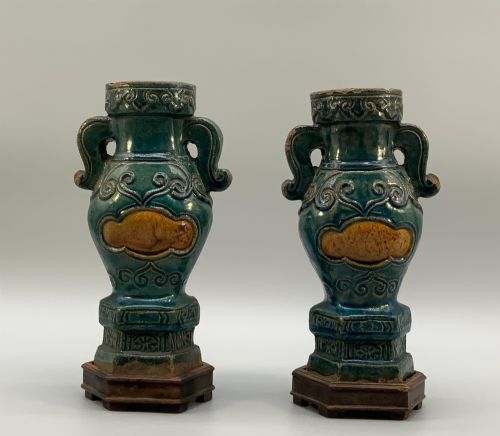
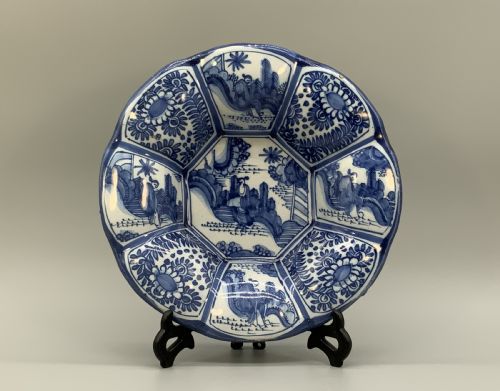
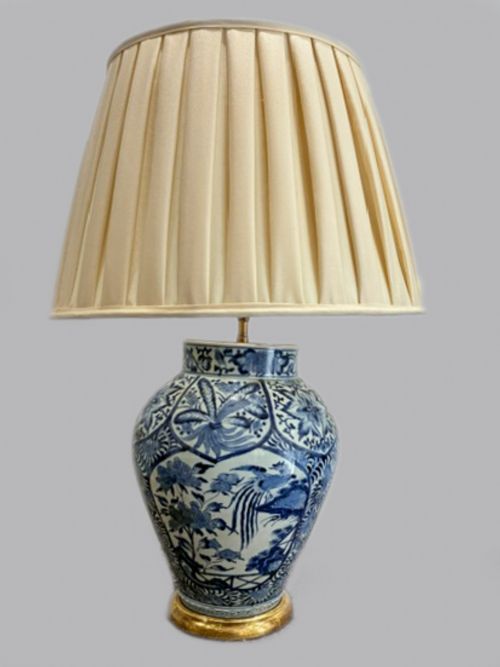
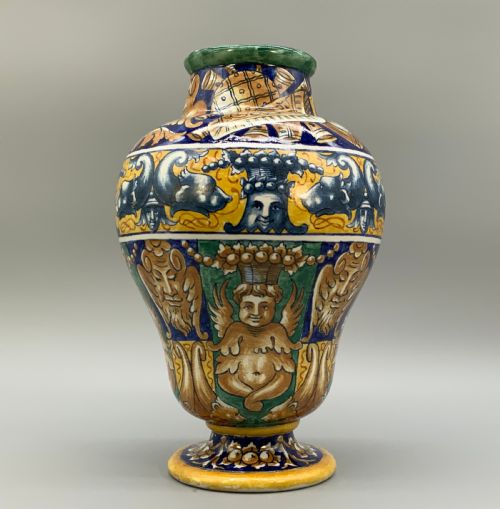
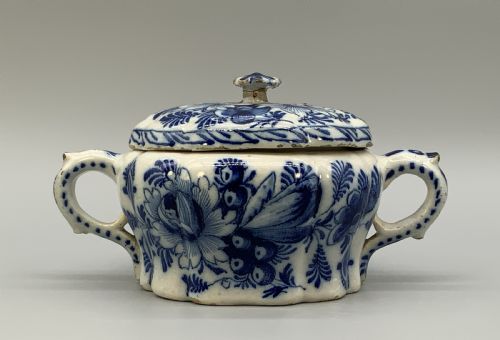
When you search for 17th century ceramics, you encounter a diverse gathering of wares spanning European faience, Chinese export porcelain, Japanese Arita wares, and Persian pottery. These objects range from massive chargers and garnitures of vases to small desk accessories, drug jars, and domestic tiles.
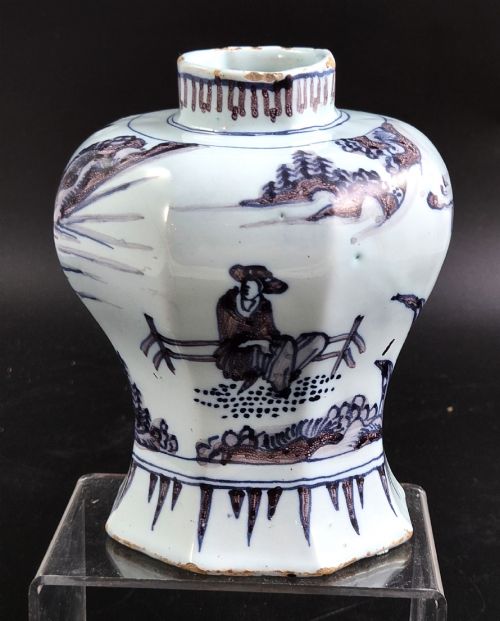
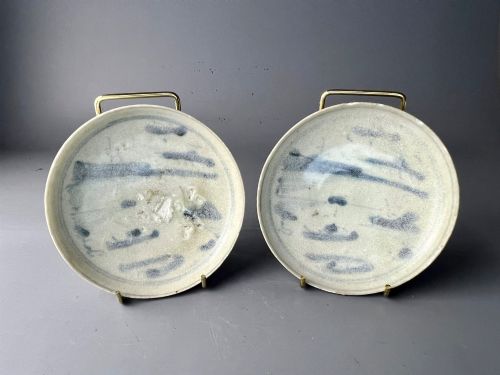
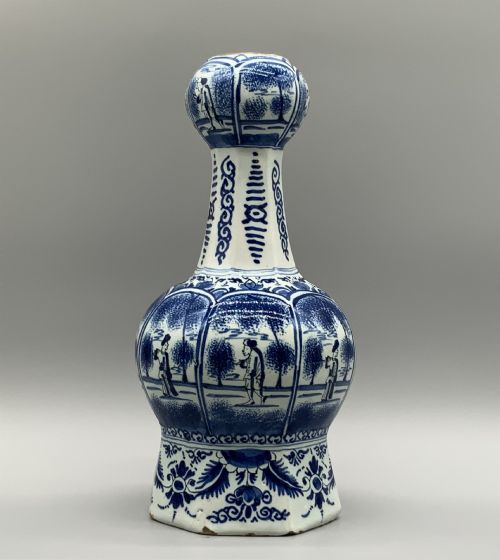
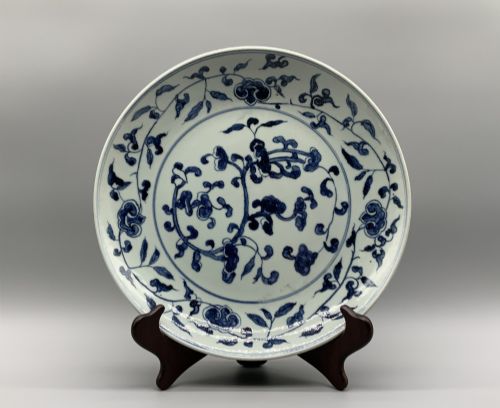
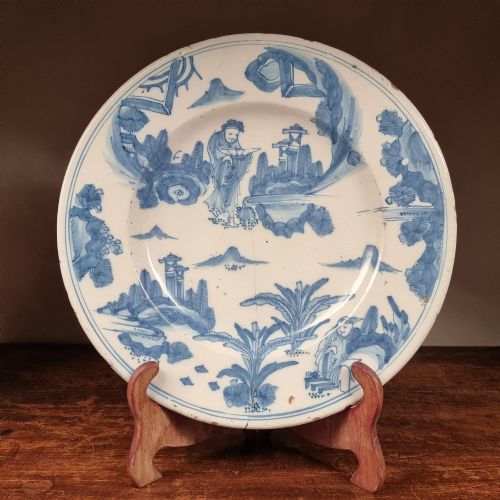
The version you are most likely to meet on this page is Dutch Delftware, alongside Chinese blue and white porcelain from the Ming and Qing dynasties. These pieces reflect a period of intense maritime commerce and stylistic exchange between Asia and Europe.
How they were made
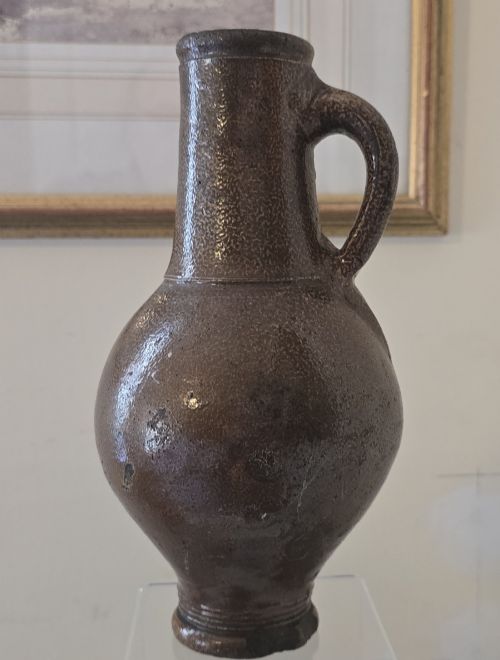
Potters shaped bodies from earthenware, porcelain, or stoneware clay, applying glazes that often incorporated tin oxide to create an opaque white surface for subsequent painting. Cobalt pigment served as the primary blue colourant, painted directly onto the unfired or biscuit-fired body before a transparent glaze sealed the decoration during high-temperature kiln firing.
Many Asian and European works utilised underglaze painting techniques, while others incorporated overglaze enamels or salt glazing to achieve their final textures and tones. Artisans threw vessels on wheels or formed them in moulds before hand-painting intricate motifs such as flora, fauna, and Chinoiserie scenes.
17th Century Ceramics Retail Price Guide 2026
Typical asking prices for 17th century ceramics among the pieces listed under this phrase on Sellingantiques today, from the lower quarter to the upper quarter. They describe what is for sale here now, not the wider market.
Listings feature various materials including tin-glazed earthenware, porcelain, stoneware, and cobalt pigment across multiple centuries.
What varies in quality
The refinement of the ceramic body and the clarity of the painted brushwork distinguish exceptional examples from standard production pieces. Superior items display precise cobalt application, well-balanced proportions, and minimal kiln distortion, whereas lesser pieces show blurred pigments or irregular glaze pooling.
The sophistication of the design execution, whether depicting naturalistic flora or complex narrative scenes, marks the boundary between everyday utility items and elite decorative commissions.
The 17th Century Ceramics Glossary
- Delft
- Tin-glazed earthenware produced in the Netherlands, particularly associated with blue and white Chinoiserie decoration.
- Kraak
- Chinese export porcelain featuring panelled border designs, widely imitated by European potters.
- Albarello
- A cylindrical pharmacy jar used for storing drugs and ointments in apothecary shops.
- Bitong
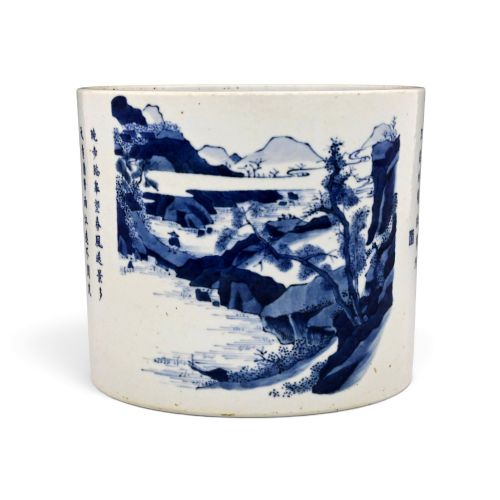
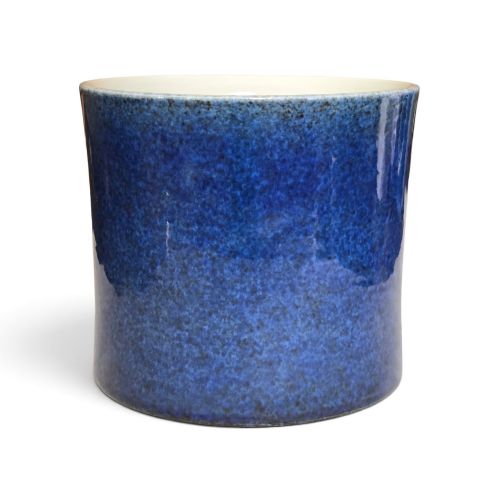
- A tubular brush pot utilised by scholars in East Asia for holding writing implements.
- Wucai
- A Chinese porcelain decoration technique employing underglaze blue combined with contrasting overglaze enamel colours.
17th Century Ceramics: Frequently Asked Questions
How do I care for antique ceramics?
Keep these pieces away from direct sunlight and sudden temperature shifts to protect the glaze and body. Clean them gently with a dry or barely damp cloth, avoiding harsh detergents or soaking.
Display them on stable surfaces away from high-traffic areas to prevent accidental knocks. Proper handling preserves both the structural integrity and the hand-painted surfaces of each vessel.
What is the difference between Delft and faience?
Faience is a broad European term for tin-glazed earthenware, while Delft specifically refers to the tin-glazed pottery made in the Dutch city of Delft. Both utilise a white opaque glaze designed to imitate imported Chinese porcelain.
Dutch makers refined this technique to produce distinct blue and white or polychrome household goods. Understanding this distinction helps clarify the geographic origin of European tin-glazed objects.
How were Chinese blue and white wares traded?
Chinese blue and white porcelains travelled from kilns to coastal ports via overland and river routes before being loaded onto merchant vessels. Trading companies transported these fragile cargoes across global shipping lanes to satisfy European demand.
This maritime commerce distributed Eastern aesthetic traditions across the globe. The resulting pieces heavily influenced local ceramic production in countries like England and the Netherlands.
What does Chinoiserie mean on pottery?
Chinoiserie describes European artistic interpretations of Chinese and East Asian decorative styles, popularised during the trading era. European painters applied these fanciful motifs to domestic items like dishes, vases, and tiles.
This stylistic cross-pollination created a hybrid aesthetic distinct from authentic Asian originals. Artisans combined European clay bodies and vessel forms with imaginary eastern landscapes and figures.