



17th Century British Art
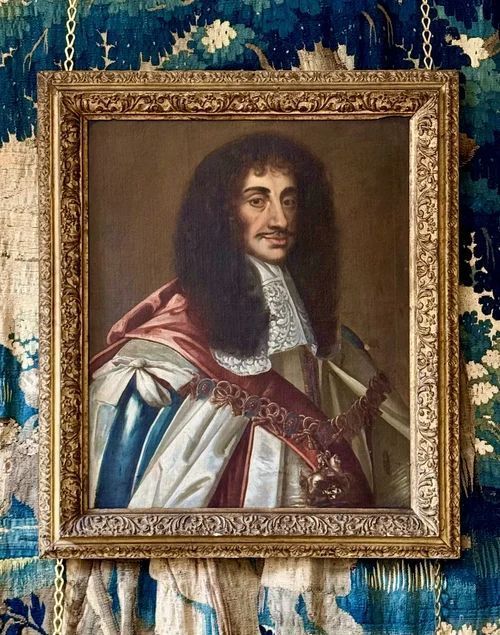
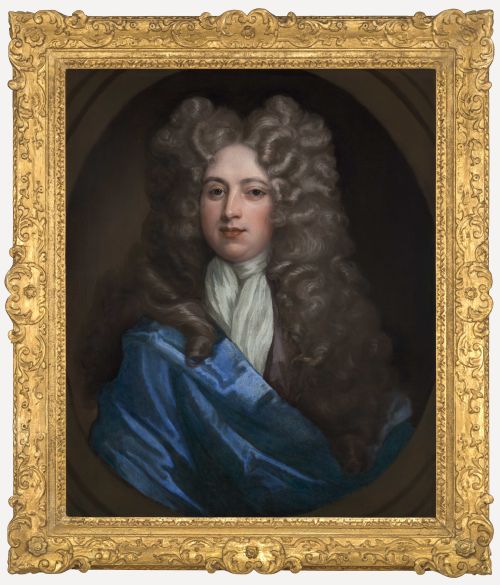
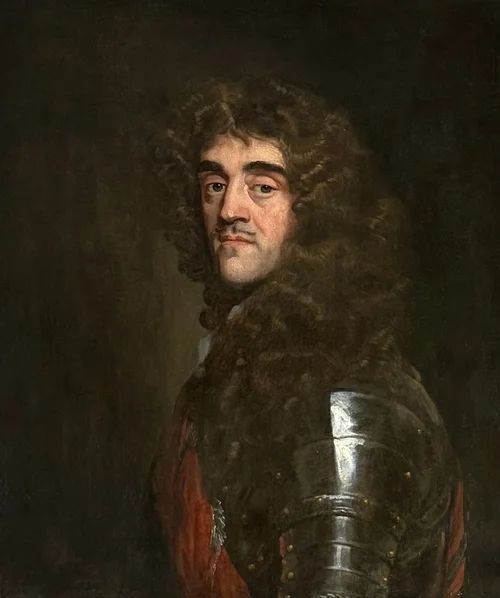
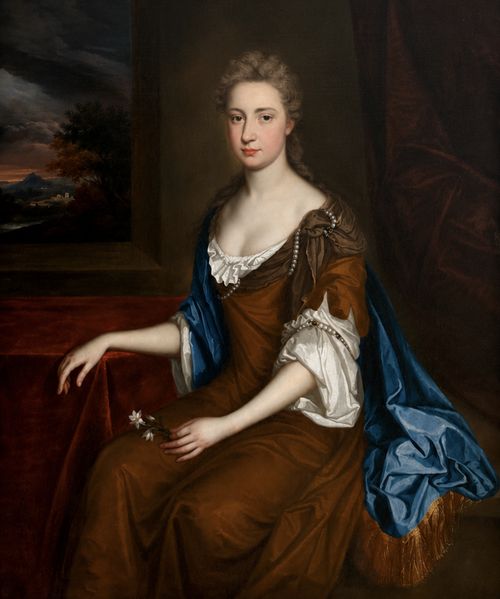
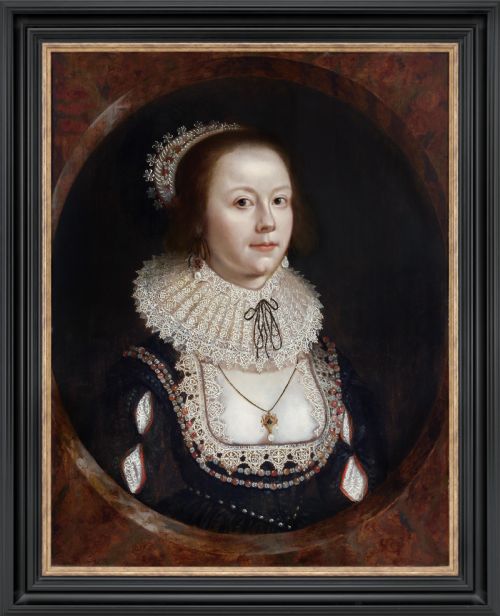
17th century british art centres on striking oil paintings of monarchs, nobles, and dignitaries captured in rich fabrics and elaborate periwigs.
17th Century British Art
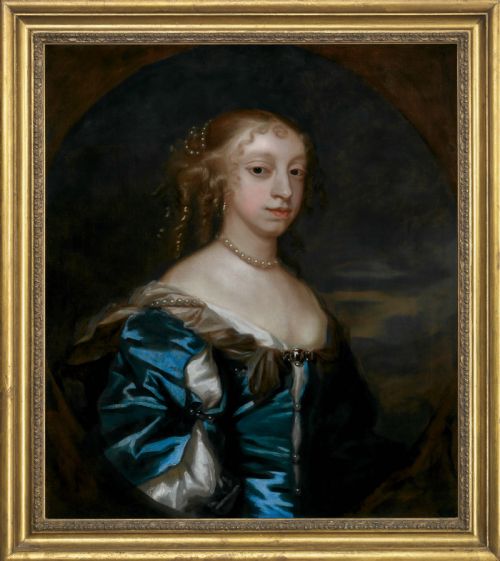
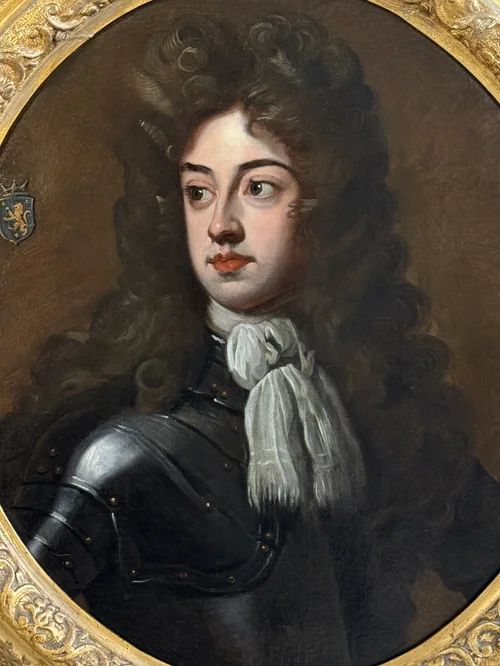
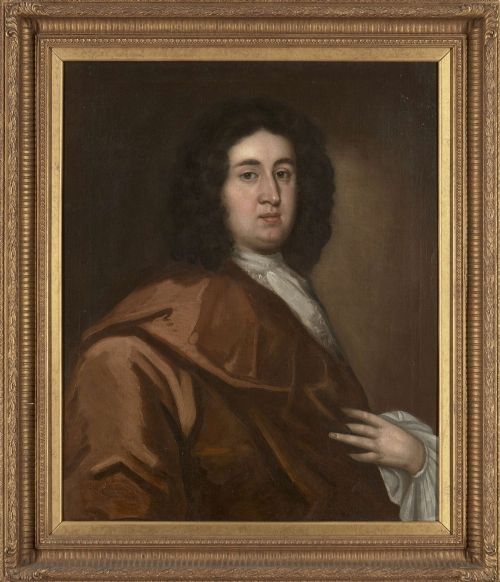
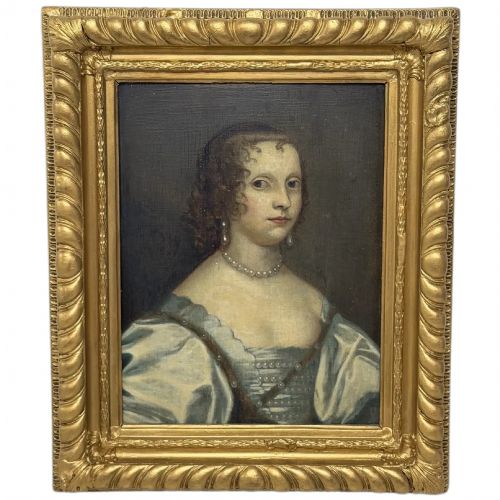
When searching for 17th century british art, a buyer encounters oil paintings depicting notable figures from the era, including kings, bishops, and aristocrats. These works typically take the form of half-length or full-length portraits executed on canvas or oak panel.
The version most commonly met on this page is the portrait of an aristocratic gentleman or lady, often linked through artistic circles to prominent court painters of the period. Alongside formal portraits, the selection includes depictions of historical figures such as Oliver Cromwell and King Charles II.
Beyond contemporary 17th-century productions, the category occasionally includes later academic studies and mid-century interpretations styled after earlier portraiture. These pieces collectively reflect the shifting political and social landscape through the medium of fine art.
How these pieces were made
The primary medium recorded in these works is oil paint applied to woven canvas or rigid wood panels, including oak. Artists built up rich depictions of velvet, lace, and armour using layered pigments to achieve depth and texture.
Frames play a structural and aesthetic role, frequently constructed from giltwood or gilt wood to complement the ornate nature of the paintings. Certain works are executed on copper, demonstrating the varied preparation surfaces utilised by portrait painters of the era.
The object types recorded include framed prints, fine art, and oil paintings representing the Baroque, Jacobean, and Restoration Stuart styles.
What varies in quality
The distinction between studio pieces and works produced by an artist's wider circle accounts for much of the variation across these paintings. Direct execution by a named master or an active studio carries a different level of fine art nuance compared to derivative works or later folk art interpretations.
The rendering of intricate details such as facial expression, lace collars, and sumptuous attire reveals the painter's technical control. Superior examples display confident brushwork in the depiction of periwigs and textiles, whereas simpler works exhibit a more primitive execution.
John Smith·Sir Peter Lely·Thomas Murray·Sir Godfrey Kneller·John Greenhill·John Closterman·Cornelius Johnson·Thomas Hill·Mary Beale·Johann Kerseboom·Henry Stone
The 17th Century British Art Glossary
- Mezzotint
- A printmaking process that achieves tonal gradation through the roughening and scraping of a metal plate. This technique allows for subtle transitions between light and dark in portrait prints.
- Periwig
- A voluminous artificial hairstyle worn by men of high status during the late seventeenth century. These elaborate hairpieces are a common diagnostic feature in portraits of the period.
- Baroque
- An artistic style characterised by grandeur, drama, and rich detail, prevalent in seventeenth-century European painting. It emphasises movement and deep colour palettes.
- Oak Panel
- A rigid wooden support used by artists before canvas became universal. Panels made from oak provide a stable ground for early oil paintings.
- Circle of
- A term used to describe an artist working closely within the style and workshop tradition of a master without being a direct pupil. It denotes proximity to a major artistic influence.
17th Century British Art: Frequently Asked Questions
What subjects appear in 17th century british art?
The subjects are predominantly human figures, ranging from monarchs and military leaders to bishops and noblewomen. Portraits often record specific individuals of high social standing.
Attire and attributes such as armour, robes, or jewels indicate the rank and occupation of the sitter.
How do you date a 17th century portrait?
Dating relies heavily on costume analysis, particularly the style of lace, collars, and periwigs worn by the sitter. Inscriptions, signatures, or historical records associated with the subject also help establish a timeframe.
Subsequent copies or later academic studies often carry clues in their stretcher frames or canvas preparation that distinguish them from period originals.
What is the difference between canvas and panel works?
Earlier works in the period frequently utilise wood panels, particularly oak, as a stable support for oil paint. Canvas gained wider adoption as the standard ground for large-scale portraits.
Panel paintings tend to have a rigid structure, whereas canvas works display a visible textile weave beneath the paint surface.
How should these oil paintings be displayed?
These works require stable environmental conditions away from direct sunlight and excessive humidity to protect the oil paint and canvas or wood support. Traditional giltwood frames help house and present the paintings securely.
Proper wall mounting ensures the weight of the framed piece is safely supported without straining the structure.