





16th Century Wood Figure
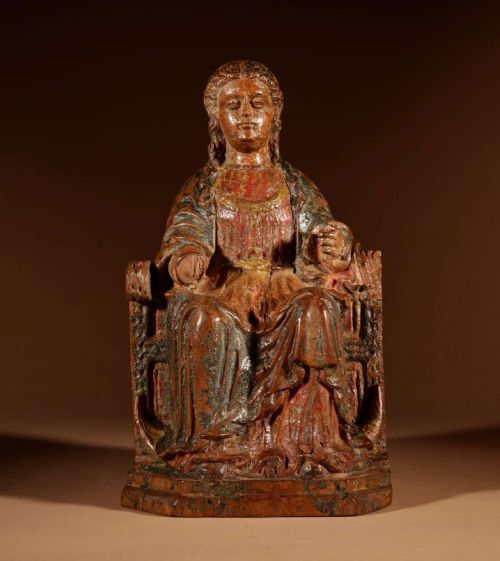
These 16th century wood figure carvings are remarkable devotional and architectural sculptures that bring profound historical presence into a room.
16th Century Wood Figure
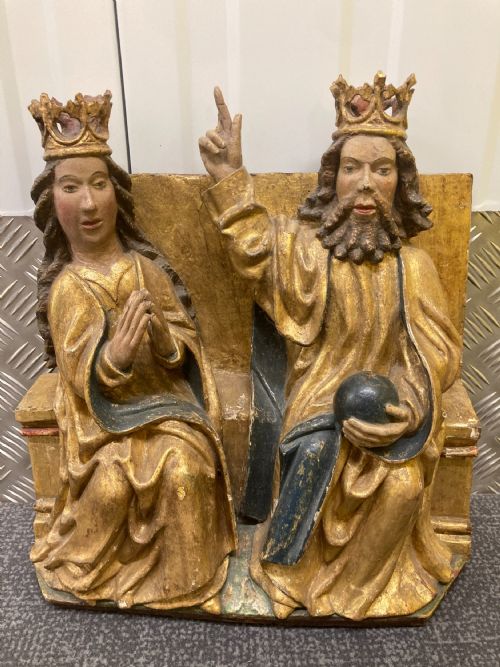
When you search for a 16th century wood figure, you encounter sculptures shaped by Renaissance, Gothic, and Late Gothic hands, depicting saints, madonnas, and donors. These pieces emerge from workshops across regions such as Flanders, the Upper Rhine, and Italy, reflecting intense spiritual and artistic shifts. The versions you are most likely to meet on this page include oak and limewood devotional figures, carved reliefs, and architectural fragments.
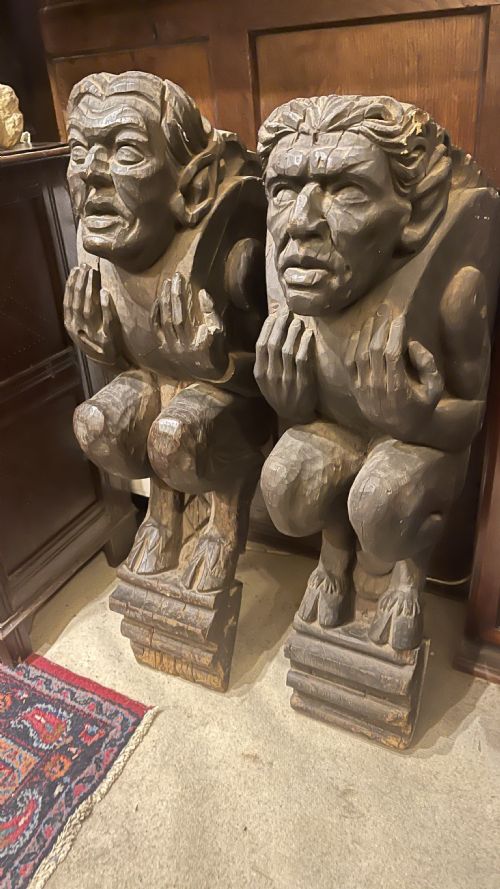
The material forms range from standalone statues of saints and pairs of carved oak figures to corpus christi carvings and portrait busts. Many retain traces of their original polychrome paint, gesso, or gold leaf, revealing how they once gleamed in churches and domestic chapels. Alongside religious representations, you also discover practical architectural salvage such as carved building brackets shaped in the timber traditions of the period.
How they were made
Makers applied gesso as a smooth preparation layer directly onto the wood before adding polychrome paint and gold leaf to enrich the surface. Parcel gilt techniques highlighted specific halos, garments, or architectural elements, catching candlelight in sacred interiors. This layered approach of carving, priming, and painting created a vibrant finish that protected the timber while conveying sacred narratives.
The sculptural styles span from Late Gothic and French Renaissance to Northern and Italian Renaissance traditions across the sixteenth century.
What varies in quality
The distinction between average and exceptional work lies in the confidence of the carver's chisel and the vitality of the form. Superior pieces display anatomical understanding in the hands and faces, alongside drapery that falls with convincing natural weight rather than rigid parallel lines. Regional style execution also plays a part, with Northern and Italian Renaissance pieces showing distinct cultural refinements in expression.
The survival of original surface decoration dictates much of the visual impact. Sculptures retaining undisturbed layers of early polychrome paint or gold leaf hold greater historical integrity than those stripped bare by later tastes. The depth of the relief and the ambition of the composition - ranging from simple architectural brackets to complex multi-figure devotional groups - further define the upper tier of these works.
The 16th Century Wood Figure Glossary
- Polychrome
- Painted in several colours. This surface treatment was standard for medieval and Renaissance sculpture, bringing realism and vibrancy to wood and stone.
- Gesso
- A white paint mixture consisting of a binder mixed with chalk, gypsum, or pigment. It served as the foundational base for gilding and polychrome paint on wooden carvings.
- Giltwood
- Wood that has been covered with a thin layer of gold leaf or powder. It catches light and signifies high status or sacred importance in religious art.
- Corpus Christi
- Latin for body of Christ. The term specifically denotes a sculptural representation of Jesus on the cross.
- Late Gothic
- The artistic style bridging the medieval period and the Renaissance, characterised by complex ornamentation and expressive, emotional figures.
16th Century Wood Figure: Frequently Asked Questions
Were these figures always painted?
Most devotional sculptures from this period were finished with gesso and polychrome paint or gold leaf to enhance their lifelike and sacred qualities. The bare wood finish often seen today is frequently the result of later stripping rather than the maker's original intention.
Examining protected recesses under magnification can often reveal microscopic remnants of the original red, blue, or gold pigments used by Renaissance workshops.
Where were these figures originally displayed?
These sculptures typically stood within churches, private domestic chapels, or monastic spaces as focal points for prayer and contemplation. Architectural elements like brackets also integrated directly into the timber framing of significant buildings.
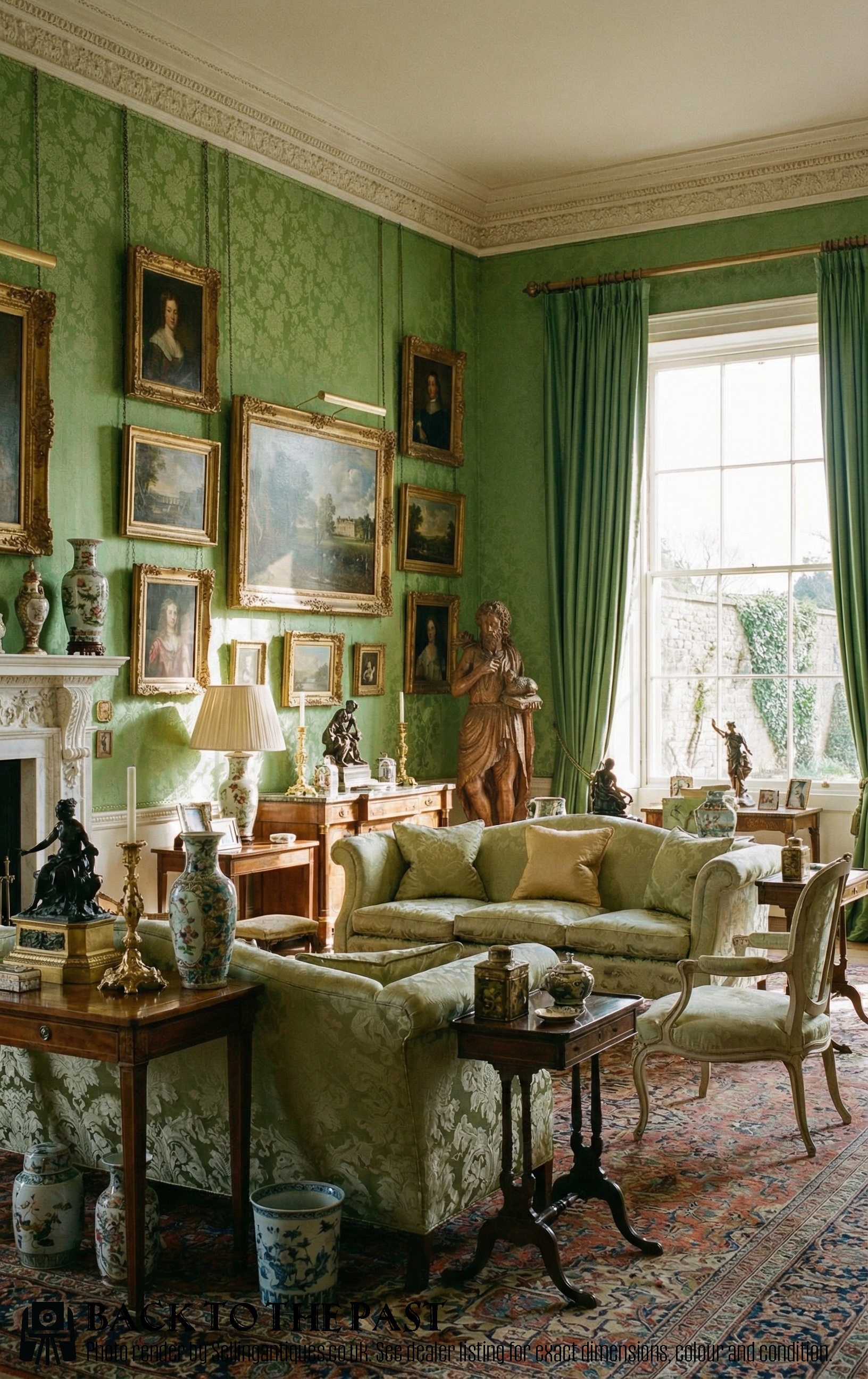
Today, collectors place them on dedicated brackets, mantelpieces, or tabletops where adequate lighting highlights the depth of the historic carving.
How can I tell a fragment from a complete piece?
Fragments often show unworked backing, broken attachment tenons, or clean severed edges where they once joined a larger altarpiece or architectural scheme. Complete figures generally retain their original volumetric form and stable bases designed for standing.
Both complete statues and high-quality fragments are collected in their own right for the sculptural skill and historical depth they display.