



16th Century Bronze
These pieces of 16th century bronze span European and Asian origins, offering cast vessels, figures, and scholar's objects for the serious collector.
16th Century Bronze
When you search for 16th century bronze, you encounter objects created during a pivotal era of metalwork across the Ming Dynasty, Renaissance Europe, and Southeast Asia. The inventory comprises scholar's desk items, ritual figures, and utilitarian vessels.
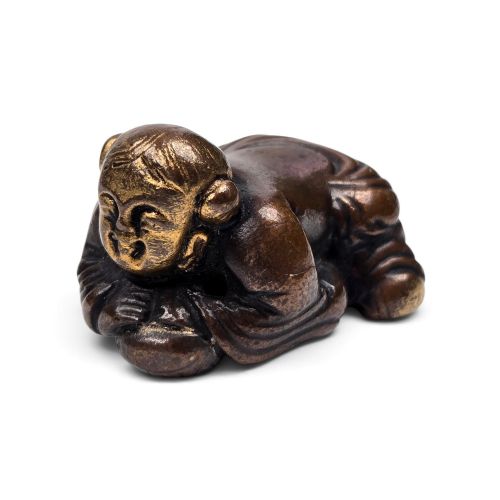
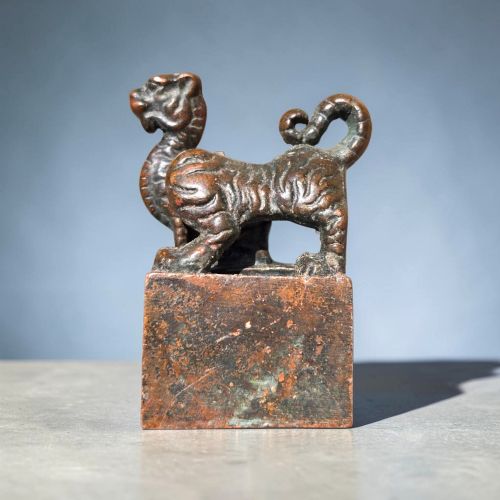
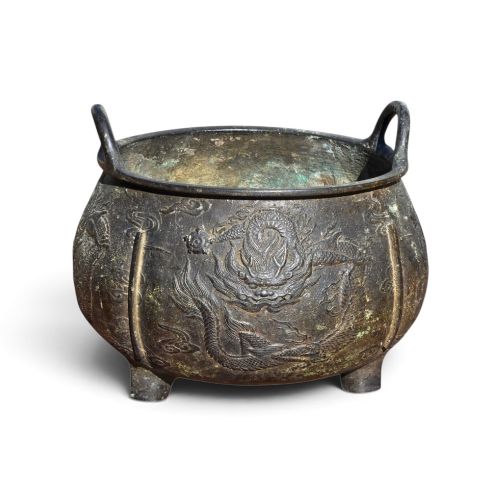
You are most likely to meet Ming Dynasty censers, paperweights, and seal sets alongside Javanese and Ayutthaya Buddhist sculptures. European items appear less frequently but range from knight figures to betrothal rings.
Materials and techniques
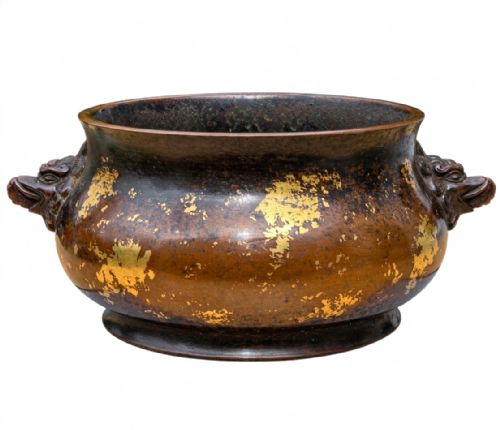
The objects are produced primarily through solid and hollow casting methods using bronze, copper alloy, and occasionally gold leaf or fire-gilding. Metalworkers utilised specialised alloy mixes to achieve the heavy density found in scholar's censers and temple figures.
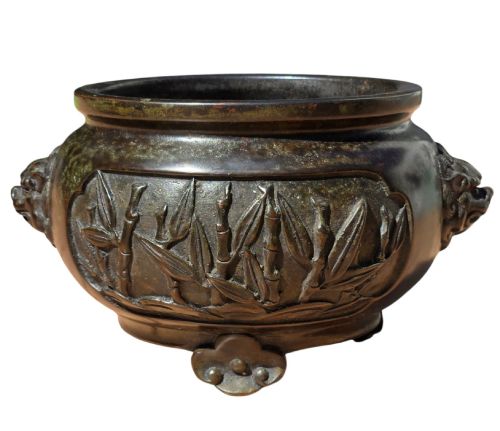
Surface treatments involve selective fire-gilding, silver inlay, and gilt-splashing to accentuate relief panels and decorative motifs like the Taotie mask or Three Friends of Winter. Contemporary wooden stands, such as those made from zitan wood, frequently accompany these metal pieces.
Several Chinese scholar's objects include nested seals, allowing owners to stack miniature bronzes like metallic Russian dolls.
Factors determining quality
The crispness of the cast relief work and the retention of original surface treatments distinguish finer examples from simpler production. Subtle details in facial expressions on Buddhist sculptures or the precise execution of animal forms indicate superior workshop capability.
The integrity of the original alloy and the presence of untouched patination hold significant weight for collectors. Pieces retaining original gilding or matching fitted bases demonstrate a higher grade of historical preservation.
The 16th Century Bronze Glossary
- Bronze
- An alloy consisting primarily of copper, commonly combined with tin. This metal forms the structural base for the majority of vessels and sculptures from this period.
- Censer
- A vessel designed for burning incense. These items often feature tripod legs and relief panels characteristic of Ming Dynasty scholar's objects.
- Gilt Bronze
- Metalwork coated with a thin layer of gold or gold leaf. Fire-gilding involves applying a gold-mercury amalgam and heating it to bond the precious metal to the bronze surface.
- Ming Dynasty
- The ruling dynasty of China from the fourteenth to the seventeenth century. Objects from this period frequently display traditional scholarly motifs and sophisticated casting techniques.
- Taotie
- A mythological zoomorphic mask motif commonly cast onto the surface of ancient and historic Chinese ritual vessels. It serves a decorative and symbolic function.
16th Century Bronze: Frequently Asked Questions
How do I clean a bronze censer?
Historic metal surfaces require minimal intervention to preserve their natural patination and age-related character. Dusting gently with a soft, dry cloth is usually sufficient for regular maintenance.
Moisture and chemical polishes damage ancient alloys and remove historical surface treatments. Consult a professional conservator before attempting any deeper cleaning.
Were these pieces used daily?
Many items served practical functions within domestic or religious settings. Scholar's objects like paperweights and seal sets were actively used on desks, while censers burned incense during contemplation or ritual.
Other sculptures and temple bronzes held devotional purposes in shrines or sanctuaries. Their survival reflects both their utility and the reverence afforded to them.
How do I identify a Ming Dynasty bronze?
Identification relies on observing specific stylistic motifs, casting methods, and material composition typical of the period. Characteristics such as Taotie masks and Three Friends of Winter relief panels provide strong indicators.
Weight, patina, and associated elements like contemporary zitan stands further help contextualise the piece within the sixteenth century.