



1 Carat Diamond Ring
A 1 carat diamond ring is a significant historical jewel, bringing together old cut stones and precious metals from decades past.
1 Carat Diamond Ring
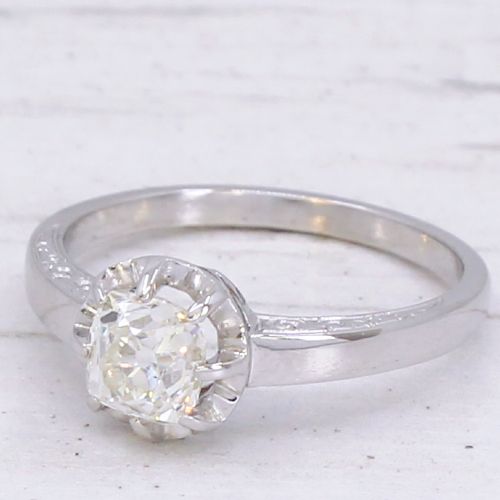
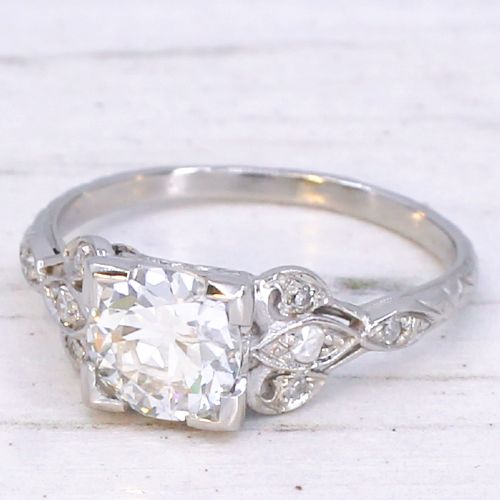
A 1 carat diamond ring represents a central stone weighing approximately one carat, often set as an engagement ring or solitaire. These pieces appear frequently from the early decades of the twentieth century, particularly spanning the 1920s, 1930s, and 1940s.
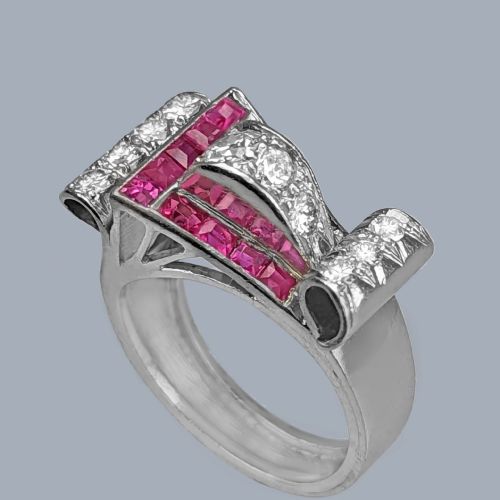
The selection includes classic solitaire mountings alongside cluster arrangements incorporating sapphires, rubies, and pink sapphires. Art Deco and 1940s Retro styles dominate the aesthetic, showing geometric designs and robust metalwork.
Buyers encounter numerous examples featuring old cut, old mine cut, and transitional cut diamonds. These historical stones offer distinct facet patterns compared to modern brilliant cuts.
Materials and construction
Metals utilised in these rings comprise platinum and yellow gold, providing secure settings for sizeable central diamonds. Platinum gained widespread favour during the Art Deco period for its strength and bright white finish.
Diamonds are shaped by hand with older cutting styles, displaying smaller tables and larger culets. Gemstones such as unheated Ceylon pink sapphires and Burmese rubies appear alongside diamonds in cluster formations.
1 Carat Diamond Ring Retail Price Guide 2026
Typical asking prices for 1 carat diamond ring among the pieces listed under this phrase on Sellingantiques today, from the lower quarter to the upper quarter. They describe what is for sale here now, not the wider market.
Old cut diamonds were shaped to catch the flicker of gaslight and candlelight.
Distinctions in quality
The grade of craftsmanship is visible in the precision of the metal setting work and the integrity of the original claw or bezel security. Superior pieces maintain crisp geometric lines in Art Deco mountings without excessive wear to the metal.
Diamond quality involves the interaction of cut, clarity, and colour within historical cutting parameters. Old cut stones possess individual optical characteristics shaped by hand polishing rather than automated precision.
The 1 Carat Diamond Ring Glossary
- Old Cut
- A diamond facet style hand-polished before the mid-twentieth century, featuring a smaller table and distinctive deep pavilion. This older cutting technique creates a softer candlelight sparkle.
- Solitaire
- A ring mounting designed to showcase a single central gemstone without accompanying side stones. This setting places full visual emphasis on the main diamond.
- Cluster Ring
- A ring style featuring a central gemstone surrounded by a geometric arrangement of smaller stones. These often combine diamonds with sapphires or rubies.
- Art Deco
- A design style prevalent during the 1920s and 1930s characterised by clean geometric lines and symmetrical patterns. Platinum was frequently utilised to accentuate this architectural aesthetic.
- Platinum
- A dense, durable precious metal used extensively in antique fine jewellery. Its strength allows for delicate claw and channel settings that securely hold large diamonds.
1 Carat Diamond Ring: Frequently Asked Questions
What is an old cut diamond?
An old cut diamond is a stone shaped by hand before modern mechanical cutting standards were established. These stones feature distinct proportions that produce a unique visual charm under ambient light.
Such cuts include old European and old mine variations, commonly found in jewellery from the early twentieth century.
How do I identify an Art Deco ring?
Art Deco rings are recognised by their geometric motifs, clean symmetry, and stylised patterns. Jewellers of this era favoured platinum settings to complement the brilliant white appearance of the diamonds.
These pieces often incorporate calibre-cut coloured stones alongside the central diamond.
Are these rings suitable for daily wear?
These historical rings were constructed using durable materials like platinum and yellow gold, designed for regular use. Many owners wear them daily as engagement rings.
Routine inspection of the settings helps ensure the stones remain secure over time.
What periods do these rings come from?
The available selection primarily spans the 1920s, 1930s, and 1940s. These decades encompass distinct stylistic shifts from Art Deco geometry to 1940s Retro designs.
Earlier pieces from the Edwardian era also appear in the historical archive.