





Yorkshire River Scene Painting
A yorkshire river scene painting captures the northern watercourses and dales through the eyes of regional artists.
Yorkshire River Scene Painting
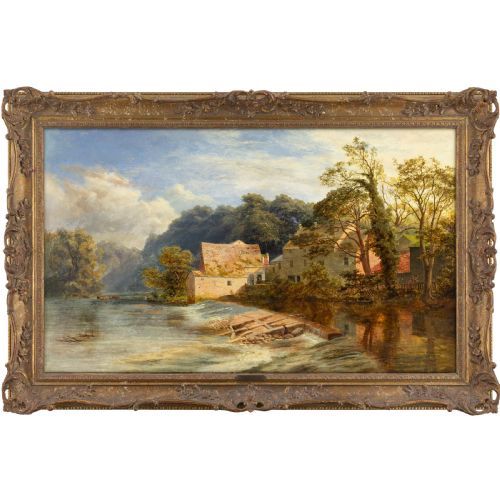
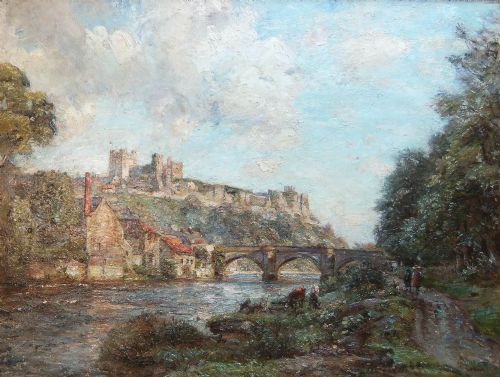
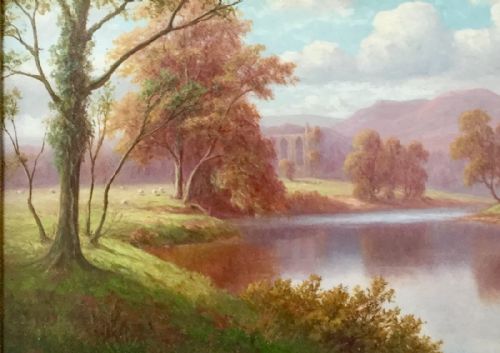
A yorkshire river scene painting depicts recognizable northern locations such as the Wharfedale landscapes, Bolton Abbey, Richmond, and Wetherby. These works record the rivers and streams of the county through changing seasons and weather conditions.
The pieces on this page span from the nineteenth century through the 1930s, encompassing Victorian and Edwardian approaches as well as British Impressionism. Collectors encounter framed oils on canvas, oil on board, and delicate watercolours on paper.
Local artists and regional painters produced these works to capture specific waterways, including the River Wharfe. Buyers typically find rural riverbanks, cattle watering by the water, and stone bridges rendered in oil paint or watercolour.
How they were made
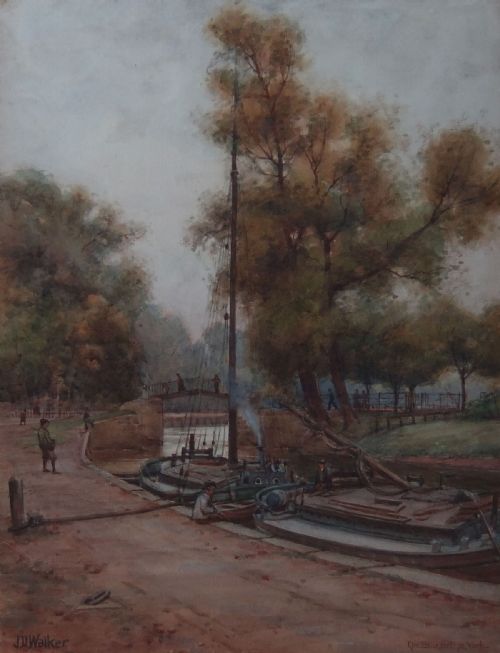
Artists painted primarily with oil paint on stretched canvas or wooden board, building texture and depth with brushwork. Watercolours were also applied to paper to achieve lighter, transparent atmospheric effects.
Makers utilised traditional pigments and supports typical of the nineteenth and early twentieth centuries. Canvases were secured in period wood frames, while watercolours were mounted behind protective paper and glass.
Yorkshire River Scene Painting Retail Price Guide 2026
Typical asking prices for yorkshire river scene painting among the pieces listed under this phrase on Sellingantiques today, from the lower quarter to the upper quarter. They describe what is for sale here now, not the wider market.
Recorded periods span from the nineteenth century through 1900, 1910, 1920, and 1930.
What varies in quality
Quality depends upon the artist's ability to handle light and atmosphere along the water, distinguishing hurried sketches from finished exhibited works. Stronger compositions capture the specific topography of Yorkshire rivers with confidence.
The preservation of the paint surface and the originality of the mounting influence the overall standard of each piece. Works that retain their original handling and stable pigments demonstrate greater artistic intent.
Herbert Royle·Florence Hess·William Joseph Boyes·William Manners·William Bradley·Ernest Moore·John D. Walker·Owen Bowen·Everett Watson Mellor
The Yorkshire River Scene Painting Glossary
- Oil on canvas
- A painting technique where oil paint is applied to a woven fabric stretched across a wooden frame. This medium allows for rich colour layering and visible brush texture.
- Watercolour
- A paint consisting of water-soluble pigments used on paper supports. It produces translucent washes and delicate tonal shifts.
- British Impressionism
- An artistic approach focusing on light, everyday subjects, and loose brushwork adapted by British painters around the turn of the twentieth century.
- Staithes artist
- A painter associated with the Staithes Group in North Yorkshire, known for plein air landscapes and coastal or river scenes.
Yorkshire River Scene Painting: Frequently Asked Questions
What periods do these paintings cover?
The works span from the nineteenth century through the Edwardian era and into the 1930s.
This range includes Victorian academic styles alongside later British Impressionist interpretations of northern landscapes.
Where are the depicted locations?
The scenes focus specifically on Yorkshire waterways and recognizable local landmarks.
Artists frequently painted sites along the River Wharfe, Bolton Abbey, Richmond, Wetherby, and Wharfedale.
What mediums were used by the artists?
Painters worked primarily in oil on canvas or board, alongside watercolours on paper.
Oils provide heavy texture and deep pigment, while watercolours offer transparent, light effects.
How should I display these watercolours?
Works on paper require protection from direct sunlight to prevent the watercolour pigments from fading over time.
Framing them behind glass with acid-free mounts preserves the paper support and the integrity of the painting.