



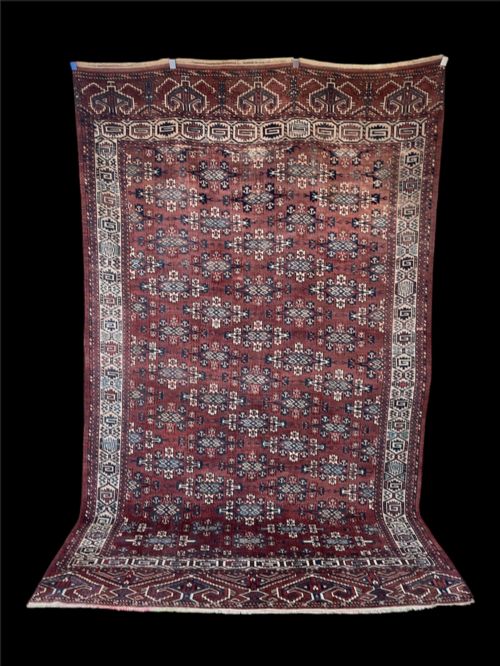


Yomut Tribal Rug
A yomut tribal rug brings the geometric discipline and deep palette of Central Asian nomadic weaving into a modern interior.
Yomut Tribal Rug
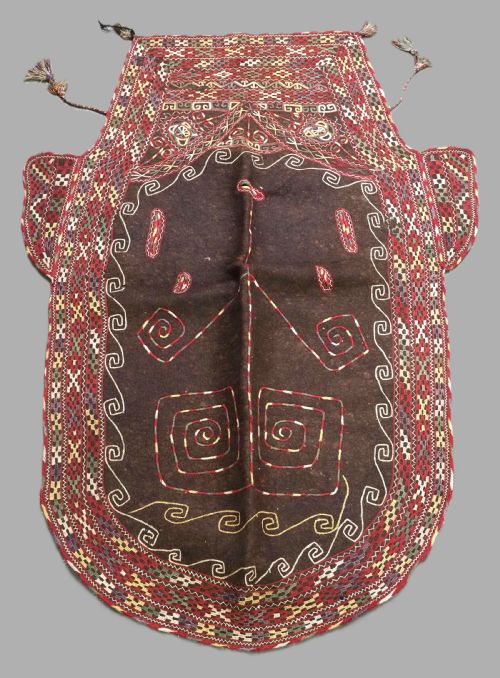
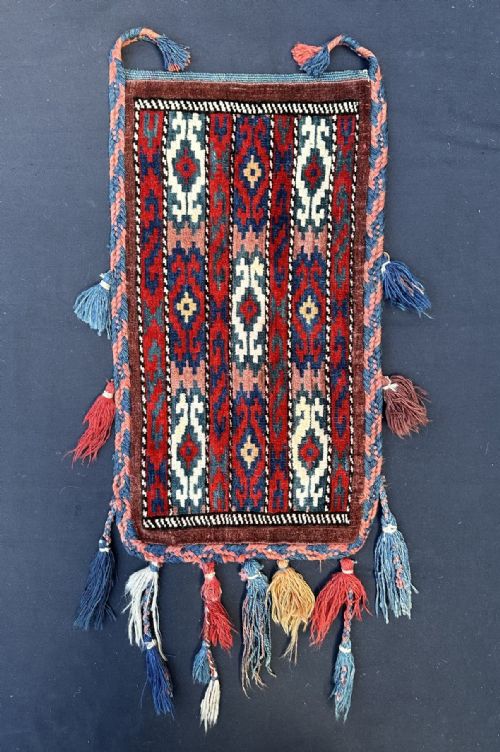
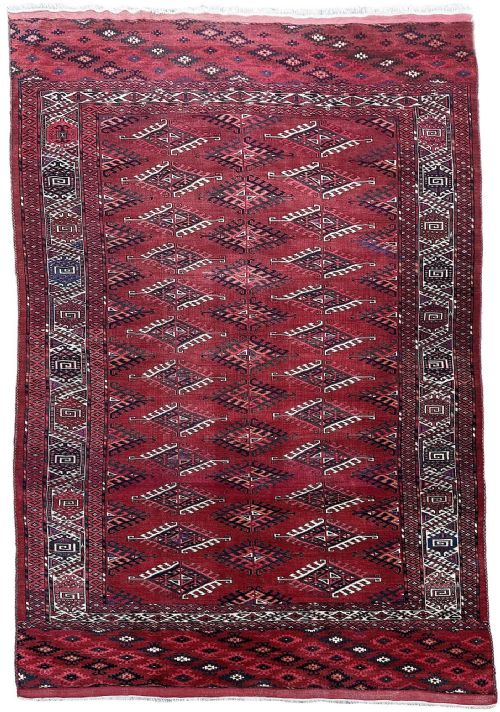
When searching for a yomut tribal rug, collectors encounter a diverse array of textiles originating from the Trans-Caspian steppes and Turkmenistan.
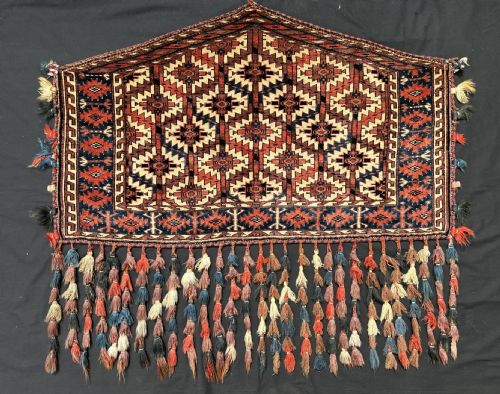
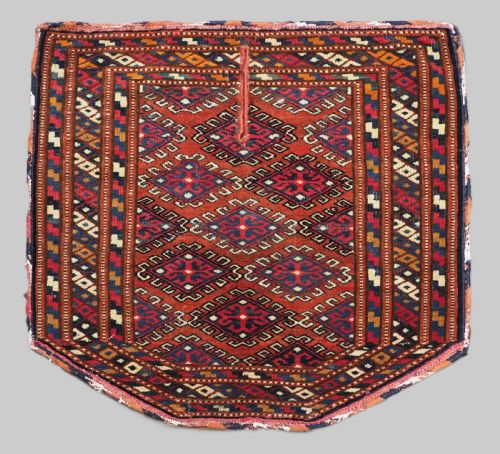
These pieces display distinct tribal motifs, including the kepse gül and dyrnak gül, rooted in nomadic traditions.
How They Were Made
Weavers utilised hand-spun wool for pile construction, paired with cotton foundations and occasional silk thread details for contrast.
Natural dyes provide the enduring palette, while flatweave techniques like soumak and banded structures appear alongside knotted pile.
Yomut Tribal Rug Retail Price Guide 2026
Typical asking prices for yomut tribal rug among the pieces listed under this phrase on Sellingantiques today, from the lower quarter to the upper quarter. They describe what is for sale here now, not the wider market.
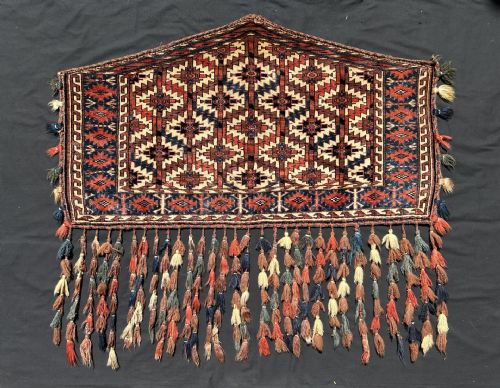
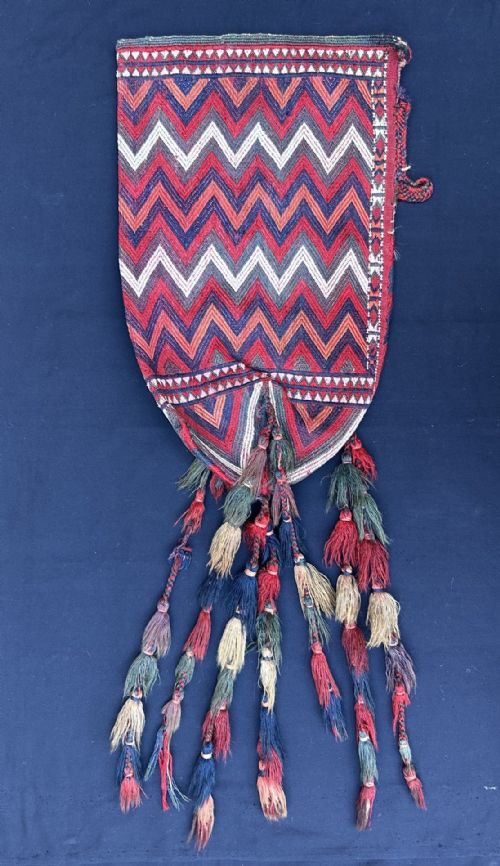
Several pieces preserve their original tassels, designed centuries ago to shake off desert dust during camel processions.
What Varies in Quality
Quality rests upon the crispness of the geometric drawing and the saturation of the natural dyes used across the field.
The density of the weave and the survival of original outer elements, such as kilim ends and side cords, distinguish superior examples.
The Yomut Tribal Rug Glossary
- Gul
- A primary octagonal medallion motif repeated across Turkmen carpets. Each tribal group utilised distinct variations to signify lineage.
- Asmalyk
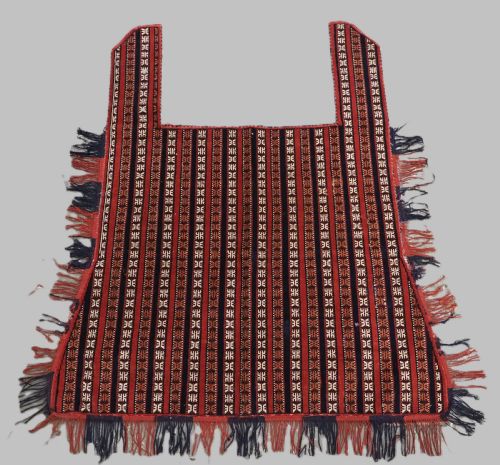
- A pentagonal trapping traditionally hung on the flanks of camels during wedding processions. These decorative pieces display intricate tribal iconography.
- Chuval
- A large tent storage bag used within nomadic dwellings for household goods. They often share the design vocabulary of main carpets.
- Ensi
- A tent door hanging designed to cover the entrance of a yurt. They typically feature a cross-panel layout dividing the field into quarters.
- Soumak
- A flatweave technique wrapping supplementary weft threads over warp strands. This method creates a sturdy textile with a braided surface texture.
Yomut Tribal Rug: Frequently Asked Questions
What is a yomut tribal rug?
A yomut tribal rug is a hand-knotted or flatwoven textile produced by the Yomut tribe of Central Asia. These pieces are defined by geometric motifs and rich natural dye colours.
Historically woven for domestic use or ceremonial occasions, they represent a distinct branch of Turkmen textile art dating from the nineteenth and early twentieth centuries.
How were asmalyks used?
Asmalyks were decorative tent trappings mounted on the flanks of ceremonial camels during traditional nomadic wedding processions. Their pentagonal shape was designed to fit the animal's side.
After the ceremonies concluded, families often utilised these textiles as wall hangings or interior decorations within their felt tents.
How do I care for an antique rug?
Antique wool textiles require gentle maintenance, beginning with regular vacuuming using low suction without a rotating brush. Keeping them out of direct sunlight preserves the natural dyes.
Professional cleaning should be undertaken sparingly and exclusively by specialists experienced in antique tribal carpets.
What does kepse gul mean?
The kepse gül is a repeating geometric motif frequently found in Yomut weaving, resembling a lattice or diamond pattern. It forms the primary visual structure of the field design.
Mastering the identification of these specific guls allows collectors to distinguish Yomut work from other Turkmen tribal groups.