



Yew Wood Windsor
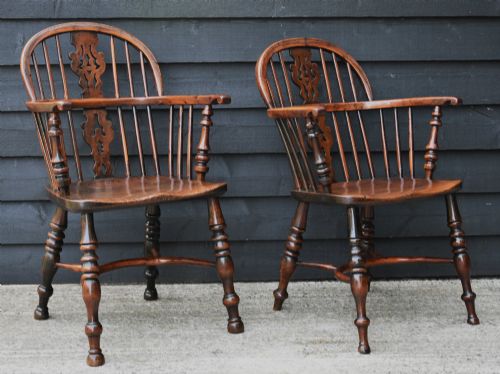
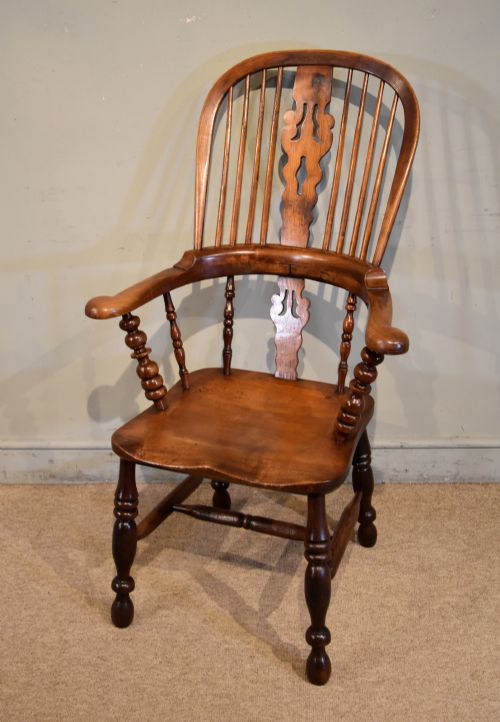
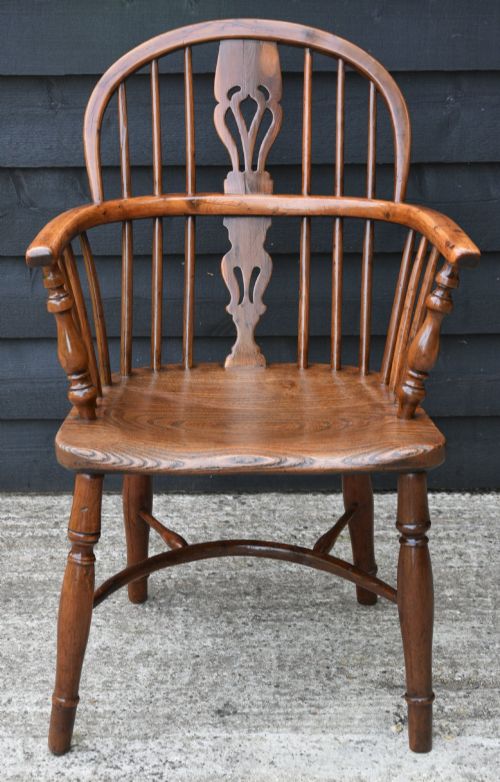
These yew wood windsor chairs bring rich timber figure and sturdy country craftsmanship straight into a modern room.
Yew Wood Windsor
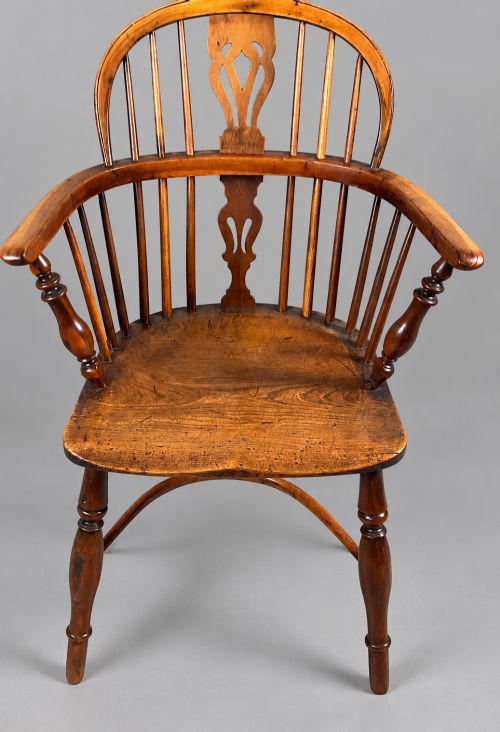
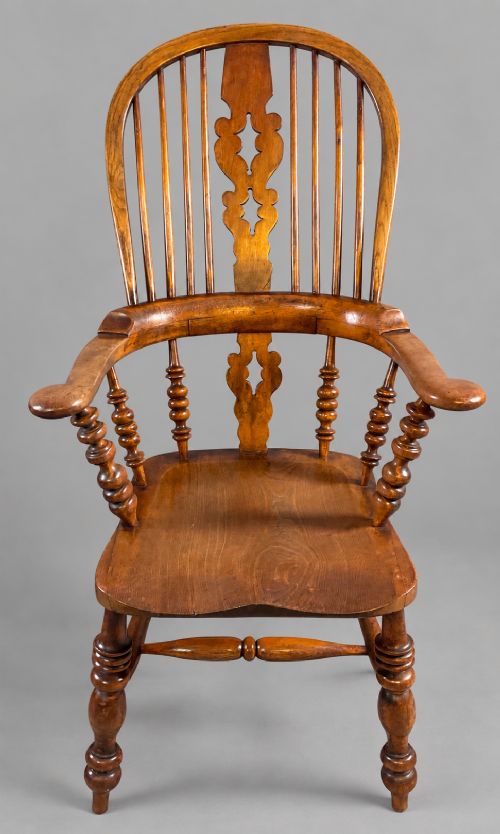
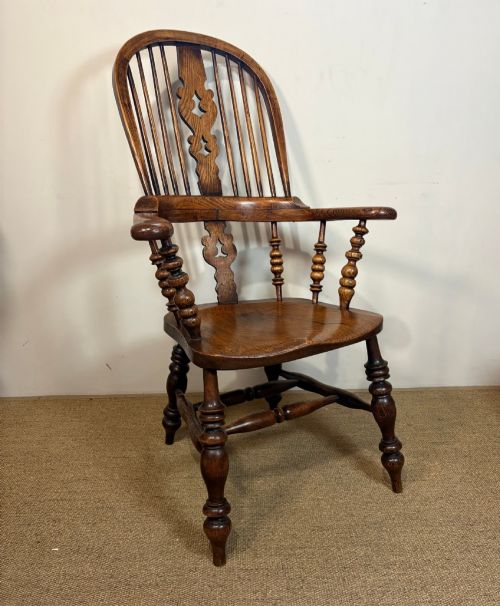
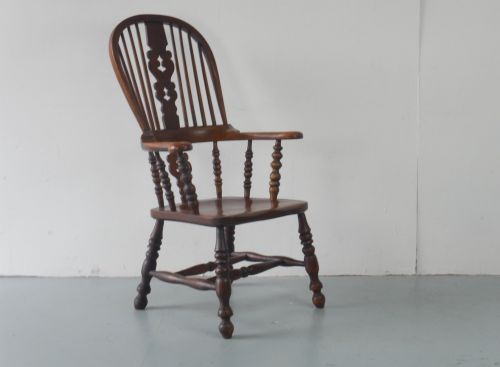
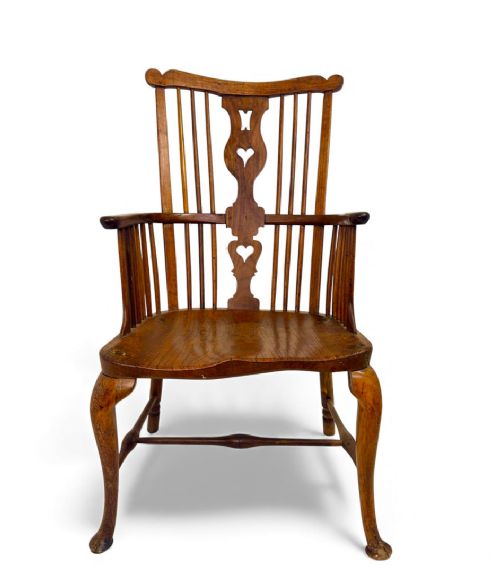
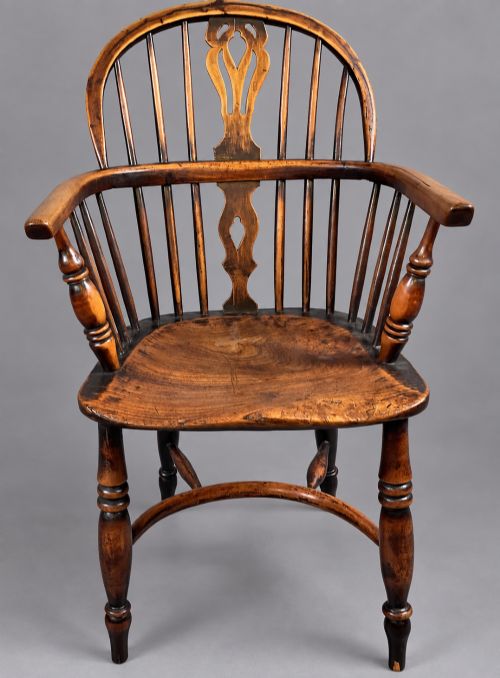
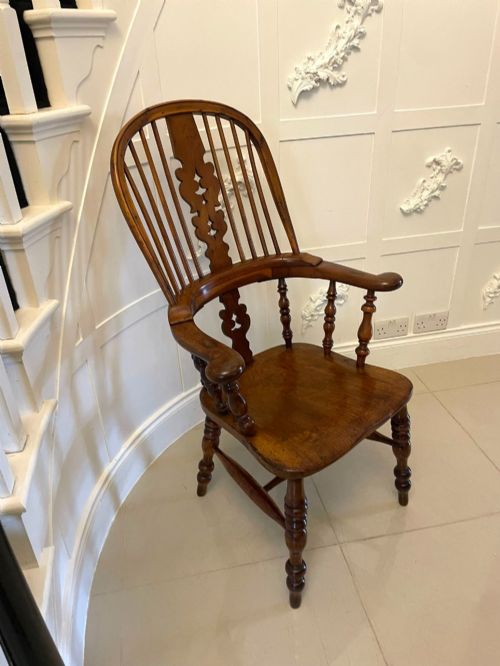
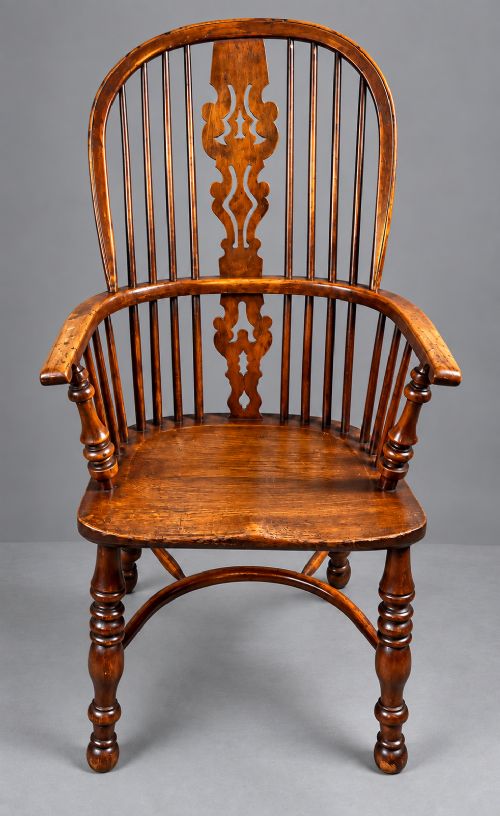
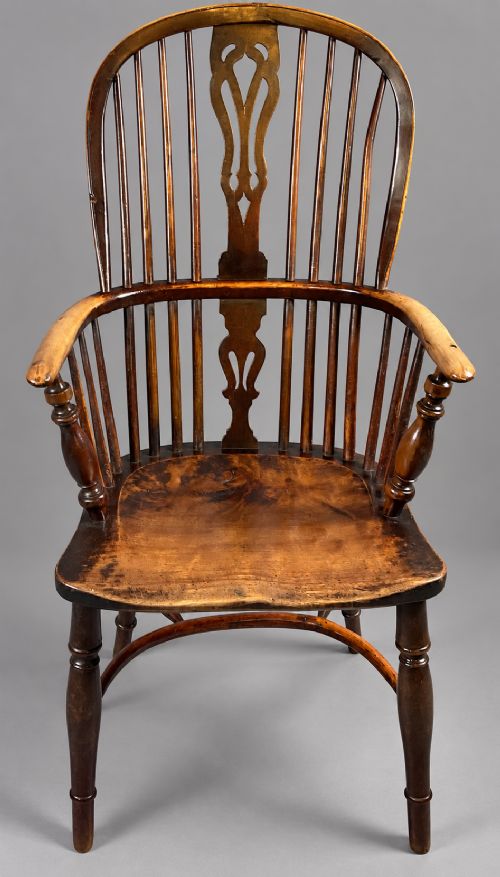
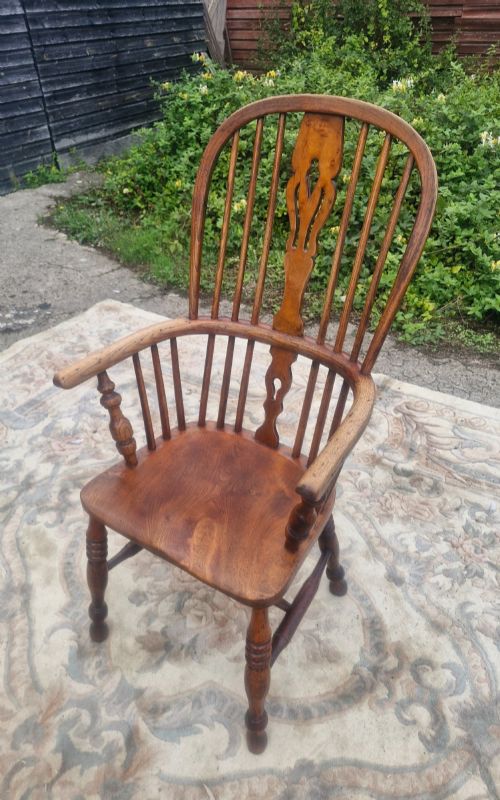
When you search for yew wood windsor chairs, you encounter robust seating shaped by English country traditions spanning the eighteenth and nineteenth centuries. These pieces typically manifest as armchairs, carvers, and high-back or low-back forms designed for domestic utility.
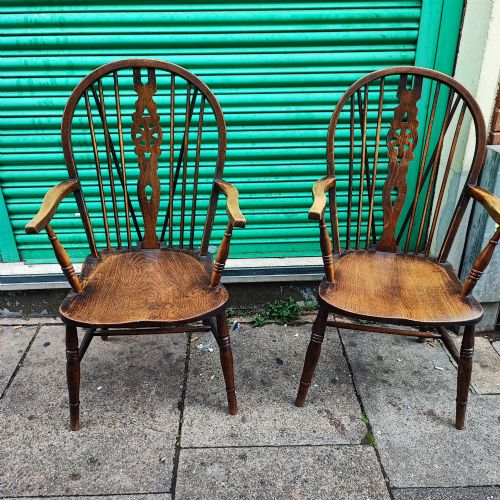
The versions most common on this page combine yew with elm, ash, or beech, often displaying regional vernacular traits such as wheel backs or comb backs. Makers fashioned these chairs in various styles, from Georgian country to Victorian farmhouse and Thames Valley designs.
Beyond standard single armchairs, the selection encompasses matched pairs, larger dining sets, and occasional low-back or broad-arm variations. Each piece reflects the functional requirements of historic English households while showcasing distinctive local joinery methods.
How They Were Made
Craftsmen built these chairs using a combination of turned spindles and solid wood seats, employing elm for the heavy plank bases to prevent splitting. The upper frameworks rely on flexible timbers such as ash and yew, which were steam-bent to form characteristic hoops and combs.
Individual components connect through traditional pegged mortise and tenon joints, often reinforced with crinoline stretchers for added structural rigidity. Woodturners shaped the legs and spindles on pole lathes, utilising locally sourced fruitwood, beech, and laburnum alongside primary timbers.
Yew Wood Windsor Retail Price Guide 2026
Typical asking prices for yew wood windsor among the pieces listed under this phrase on Sellingantiques today, from the lower quarter to the upper quarter. They describe what is for sale here now, not the wider market.
The inventory encompasses various vernacular forms including wheel backs, hoop backs, and Mendlesham chairs.
What Varies in Quality
Quality in these chairs rests upon the figure of the yew wood, the integrity of the structural joints, and the balance of the turned components. Richly grained yew timber paired with a deeply saddled elm seat elevates a piece above standard utility examples.
The distinction between ordinary and superior pieces also depends on regional craftsmanship, such as the refined sweep of a comb back or the presence of a crinoline stretcher. Original surface patination and minimal timber replacement preserve the historical character valued by collectors.
Gabbitass of Worksop·J Spencer·John Brand of Sleaford
The Yew Wood Windsor Glossary
- Comb back
- A Windsor chair design featuring vertical spindles topped by a horizontal crest rail resembling the teeth of a comb. This regional form provides robust back support through its extended uprights.
- Crinoline stretcher
- An arched underframe connecting the legs of a Windsor chair to provide stability. It gets its name from the hoop-like shape reminiscent of Victorian skirt supports.
- Thames Valley
- A geographical style designation associated with eighteenth and nineteenth-century Windsor chairs produced along the Thames region. These pieces frequently incorporate rich yew wood and distinctive carved details.
- Broad arm
- A chair design featuring widened wooden armrests intended for writing or resting. This configuration requires sturdy arm supports integrated directly into the seat plank.
- Mendlesham chair
- A specific type of country armchair originating from Suffolk, characterised by a distinctive shield-shaped back splat. These chairs often combine yew and elm construction.
Yew Wood Windsor: Frequently Asked Questions
How do I care for yew wood furniture?
Maintaining yew wood requires keeping pieces away from direct heat sources and sudden temperature fluctuations to prevent timber movement. Regular dusting with a soft, dry cloth preserves the natural lustre of the polished surface.
Applying a traditional beeswax polish periodically helps nourish the historic wood without building up heavy chemical layers. Avoid placing damp items directly onto the antique surface to protect the finish.
Where were these chairs made?
These chairs originated in various rural workshops across England, with distinct regional styles developing in areas like the Thames Valley and Suffolk. Local bodgers turned the wooden components in woodlands before assembly in provincial joinery shops.
Different counties favoured specific back designs, such as wheel backs, hoop backs, or comb backs. This local production gives each chair distinct regional characteristics rather than uniform factory standards.
Can I use them for daily dining?
Many of these chairs offer sturdy construction suitable for regular use around a dining table or desk. Their ergonomic saddle seats and supportive spindle backs provide surprising comfort for sitting over extended periods.
Selecting matched pairs or sets allows for practical seating arrangements in contemporary dining spaces. Assessing the structural stability of the underframe ensures the piece handles everyday domestic demands safely.