

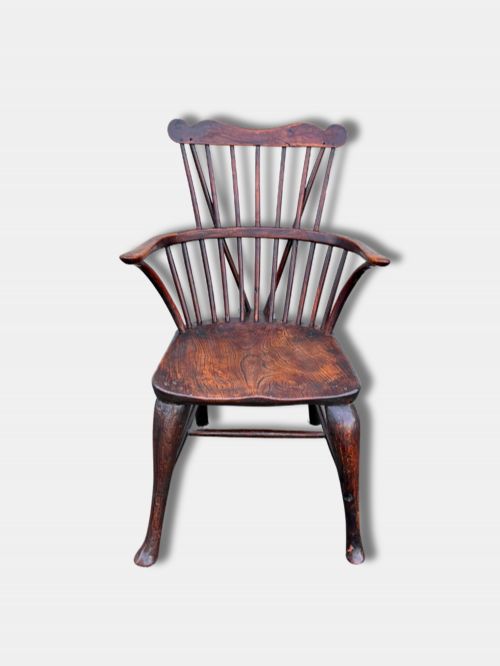


Yew Wood Stick Back
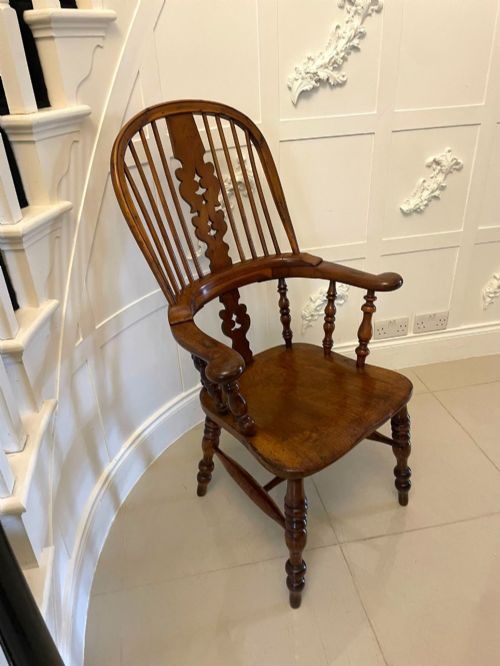
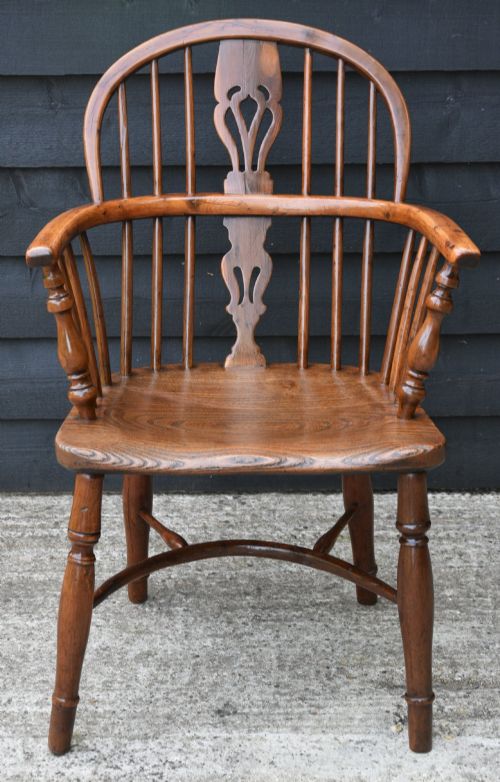
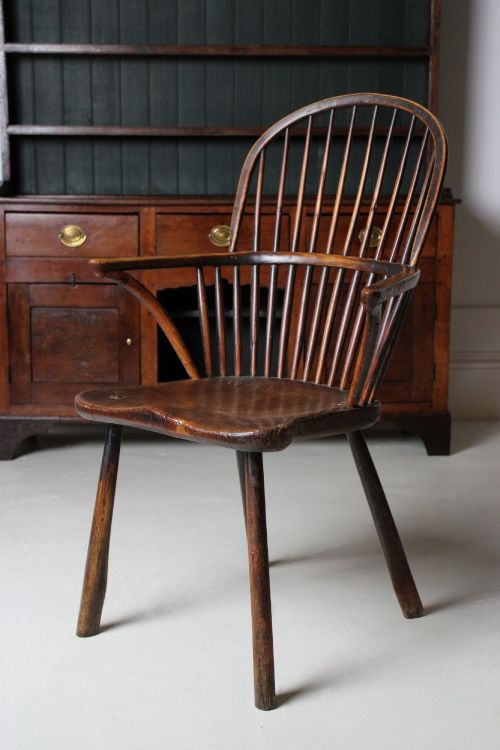
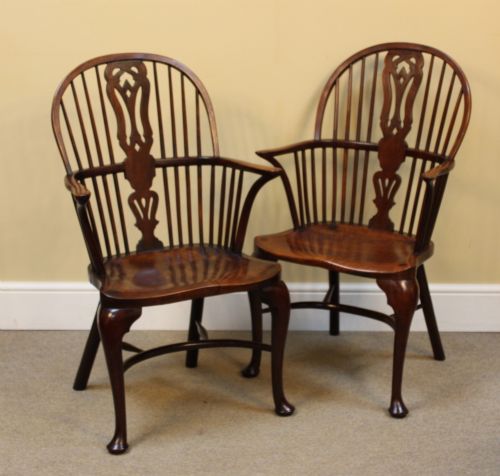
These yew wood stick back chairs are sturdy country seats shaped by English makers from local timber, offering rich grain and honest construction that anchors any room.
Yew Wood Stick Back
When you search for yew wood stick back, you encounter traditional Windsor seating built across English regions from the eighteenth century into the Victorian era. The selection centres on full-size armchairs alongside occasional child chairs and miniature examples.
Most pieces you meet here belong to the nineteenth century, including Georgian vernacular forms and primitive country styles. These functional seats served everyday domestic life in farmhouses and cottages before becoming collectors' items.
How they were made
Makers combined yew wood for its figured grain and resilience with elm for solid, split-resistant seats. Secondary timbers such as ash, beech, fruitwood and laburnum provided contrasting spindles and underframing.
Moulded saddle seats received driven legs and back sticks secured by wedges, creating a rigid framework without metal fasteners. Simple hand tools shaped the comb backs, broad arms and stick supports from unseasoned logs.
Materials recorded across the archive include yew wood, elm, ash, beech, fruitwood, laburnum and pine.
What varies in quality
Quality rests upon the boldness of the yew figuring in the back and the generosity of the elm seat proportions. Finer examples display balanced arm profiles, such as lamb chop supports, and well-turned spindles.
Construction integrity and untouched patination elevate certain chairs above standard workshop production. The presence of identifiable regional traits or maker signatures distinguishes exceptional vernacular seating from ordinary local work.
John Brand of Sleaford·Gabbitass of Worksop
The Yew Wood Stick Back Glossary
- Stick back
- A chair design where turned vertical spindles form the backrest rather than a solid splat. This construction provides flexible support and derives from traditional country Windsor chairmaking.
- Windsor chair
- A seat built with a heavy wooden saddle seat into which the legs and back sticks are wedged directly. These chairs developed regional British variations involving comb backs and arm bows.
- Comb back
- A Windsor chair backrest topped by a horizontal headpiece resembling the spine of a Windsor comb. The vertical sticks rise through the arm bow to meet this upper rail.
- Vernacular
- Objects built by local artisans following regional traditions rather than formal academic styles. These pieces prioritise practical utility and utilise whatever timber grows nearby.
- Pad arm
- A rounded, widened termination on a wooden chair arm designed to rest the hand. This feature appears on heavier country armchairs.
Yew Wood Stick Back: Frequently Asked Questions
What is a yew wood stick back chair?
These are traditional wooden seats featuring shaped seats and vertical spindles turned from native timber. They emerged from English country workshops during the Georgian and Victorian periods.
Craftsmen built them for everyday utility using local woods like yew and elm. Their enduring appeal lies in their comfortable proportions and varied grain patterns.
How do I date a stick back chair?
Dating relies on observing construction methods, timber choices and regional design evolution. Eighteenth-century examples often display simpler primitive lines, while Victorian pieces show more standardised turning.
Looking underneath reveals tool marks and wear patterns that indicate age. Comparing arm shapes and spindle arrangements against documented regional types helps narrow the decade.
Where were these chairs made?
Makers produced these chairs across various English counties, with distinct regional styles emerging in places like the Thames Valley, Nottinghamshire and Lincolnshire. Local craftsmen utilised the timber available in their immediate surroundings.
Worksop and Sleaford represent documented production centres recorded in maker attributions. Each region developed slight variations in comb backs and undercarriages.
How do I care for yew wood furniture?
Maintaining these pieces requires keeping them away from direct heat sources and sudden humidity shifts. Regular dusting and occasional application of appropriate wax preserve the surface patination.
Avoiding harsh chemical cleaners protects the historic finish developed over centuries of use. Gentle handling ensures the dry joints remain stable.