



Yew Wood Accent Chair
These yew wood accent chair examples bring rich figuring and sturdy vernacular seating into a room, drawing on eighteenth and nineteenth-century English traditions.
Yew Wood Accent Chair
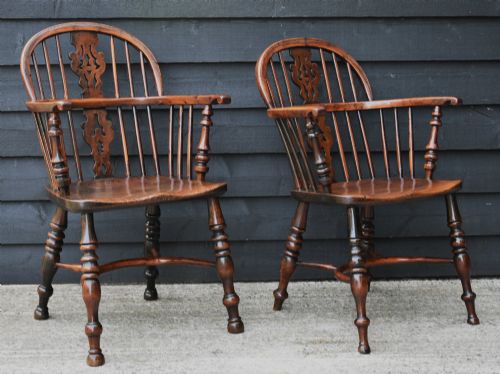
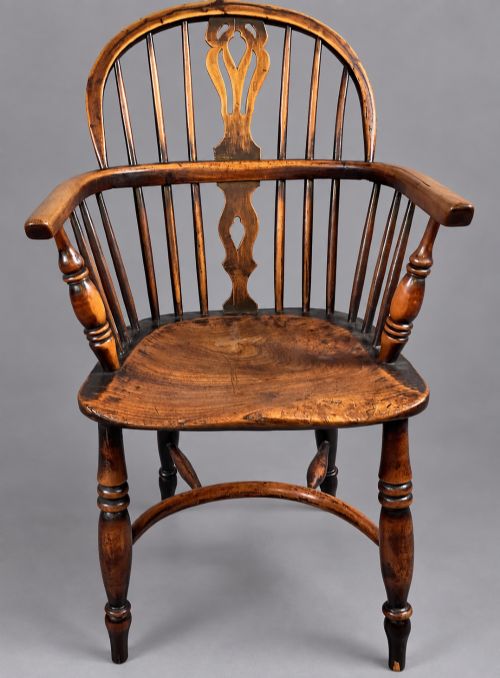
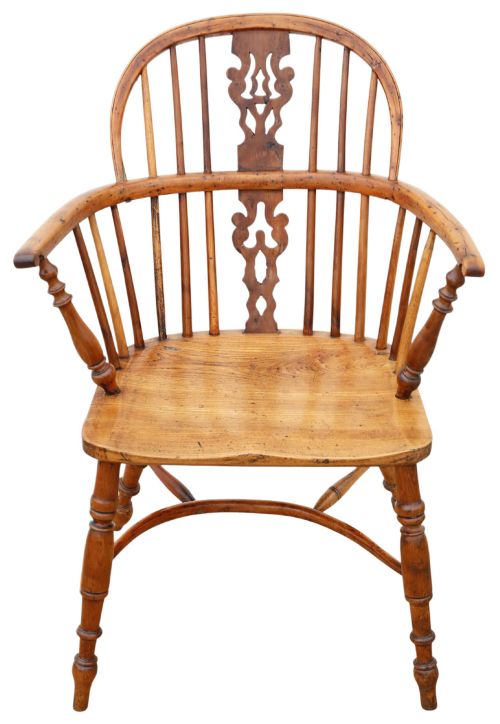
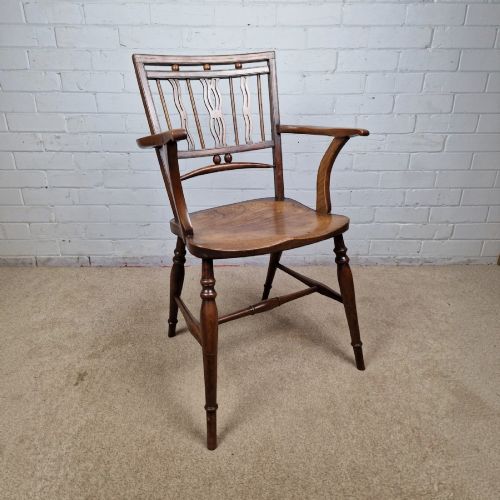
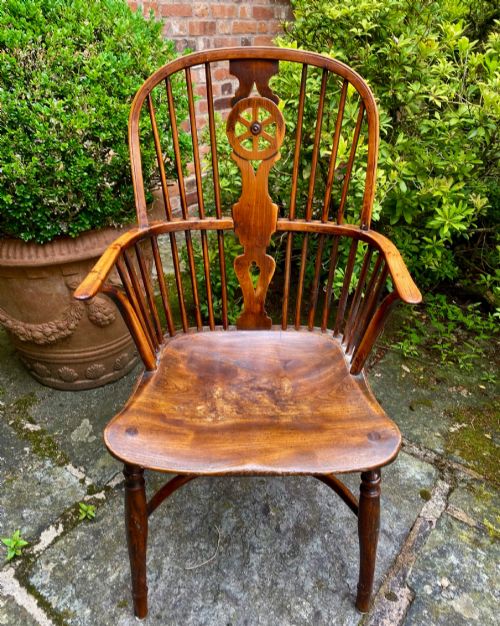
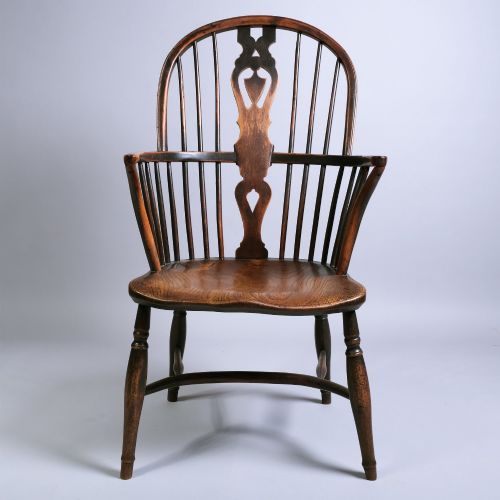
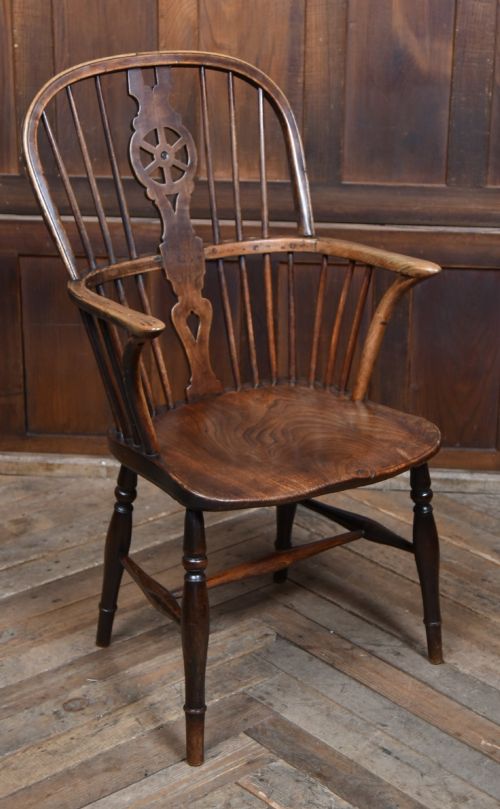
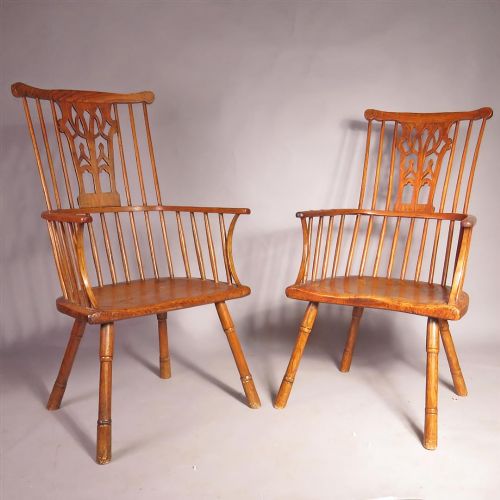
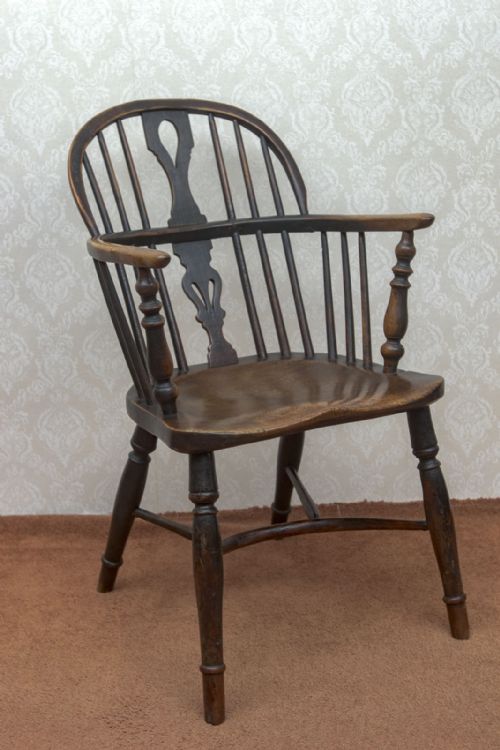
When you search for a yew wood accent chair, you are looking at traditional British seating forms, most commonly represented here by Windsor armchairs and carvers from the eighteenth and nineteenth centuries. These pieces span regional English country styles, including high-back, low-back, wheel-back, and comb-back variations.
The version you are most likely to meet on this page is the Windsor armchair, frequently paired with elm for the seat and ash or beech for the structural turnings. They originate from various domestic workshops and regional makers, embodying the robust utility of Georgian and Victorian rural seating.
What varies in quality
The distinction between ordinary and superior examples lies primarily in the visual grain and figuring of the yew wood, alongside the complexity of the spindle arrangement and back design. A bolder grain pattern and a well-sculpted, deep elm seat elevate the presence of the piece.
Proportion and the grace of the turned undercarriage also dictate standing, where crisply defined stretchers and balanced arm bows separate workshop output from standard regional production.
Yew Wood Accent Chair Retail Price Guide 2026
Typical asking prices for yew wood accent chair among the pieces listed under this phrase on Sellingantiques today, from the lower quarter to the upper quarter. They describe what is for sale here now, not the wider market.
Materials recorded across the current inventory include fruitwood and fabric alongside traditional yew wood and elm.
Benjamin Gilling·Gabbitass of Worksop·Rockley Maker
The Yew Wood Accent Chair Glossary
- Windsor chair
- A wooden armchair featuring a solid sculpted seat into which the legs and back spindles are directly inserted. This form evolved across English rural workshops during the eighteenth and nineteenth centuries.
- Carver
- An armchair, often designed to match a set of smaller dining chairs, featuring substantial elbow rests. In this context, it frequently refers to larger Windsor forms used around a table or as standalone seating.
- Comb back
- A chair back style where the vertical spindles rise to a horizontal top rail resembling the teeth of a comb. This regional vernacular design offers distinct structural support.
- Wheel back
- A chair back featuring a pierced splat carved or shaped in the outline of a spoked carriage wheel. It became a popular decorative device during the Victorian period.
- Stretcher
- The horizontal wooden rods connecting the legs beneath the seat to provide structural rigidity. In country chairs, these are often turned with simple ring or bobbin details.
Yew Wood Accent Chair: Frequently Asked Questions
How do I identify a Windsor chair?
A Windsor chair is defined by its thick wooden saddle seat, into which the undercarriage legs and upper back spindles are tenoned directly. This stick-construction method separates them from standard framed upholstery.
They appear in various regional styles on this page, including high-back, low-back, and comb-back variations originating from English country workshops.
Which woods are used in these chairs?
The primary timber is yew wood, prized for its dense grain and warm, variegated figuring on the back bows and spindles. Elm is frequently utilised for the solid, comfortable seats.
Supporting components such as legs and stretchers are often turned from ash, beech, or fruitwood to provide necessary structural strength.
How do I live with a country chair?
These chairs fit easily into traditional and contemporary rooms alike, functioning well as reading chairs or decorative accents. Their sturdy construction suits daily use while adding historical texture to a corner.
Position them away from direct heat sources to protect the solid timbers and maintain the natural finish of the wood over time.
What periods do these chairs come from?
The listings span the eighteenth and nineteenth centuries, capturing Georgian country pieces alongside Victorian regional variants. Dates range from mid-eighteenth-century examples up to early twentieth-century interpretations.
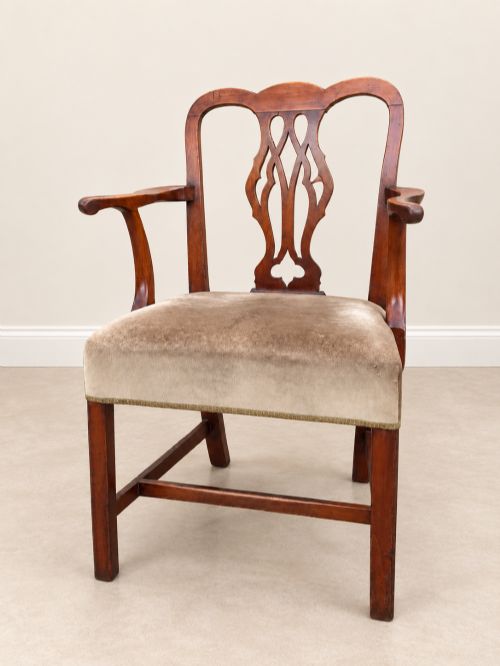
Stylistic shifts appear across this timeline, moving from eighteenth-century George III forms toward nineteenth-century wheel-back and high-back Windsor designs.