





Yew Bow Back Chairs
Yew bow back chairs are classic country armchairs built from rich timbers, offering robust comfort and enduring vernacular style.
Yew Bow Back Chairs
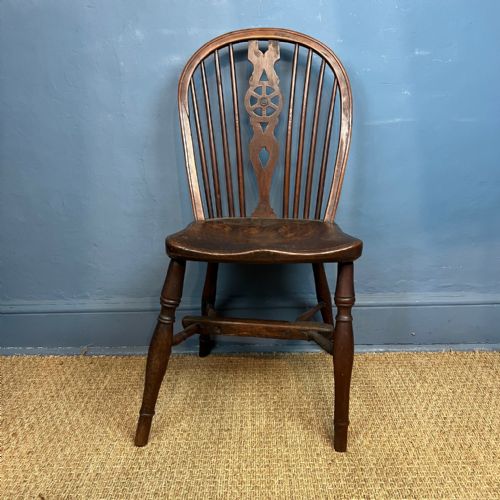
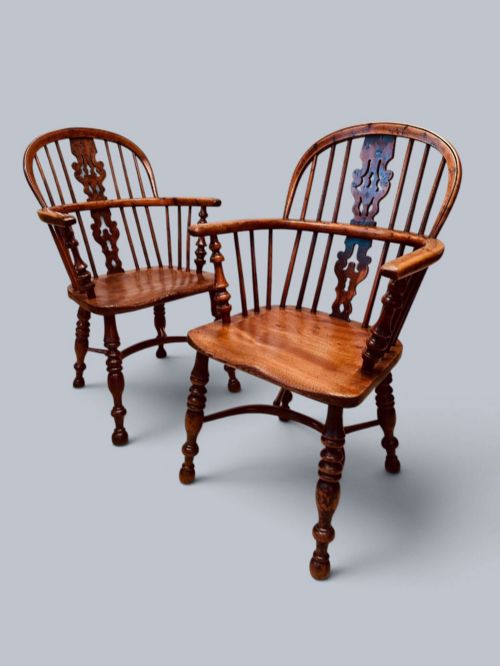
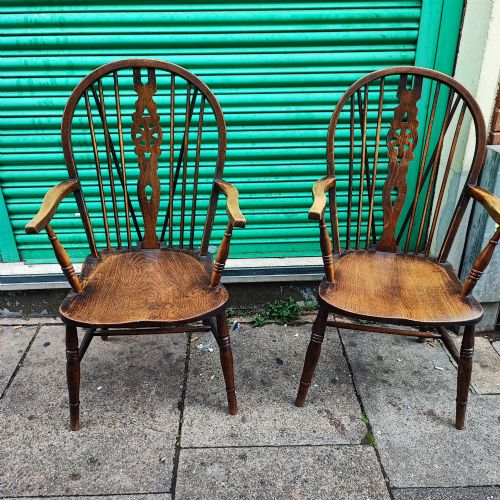
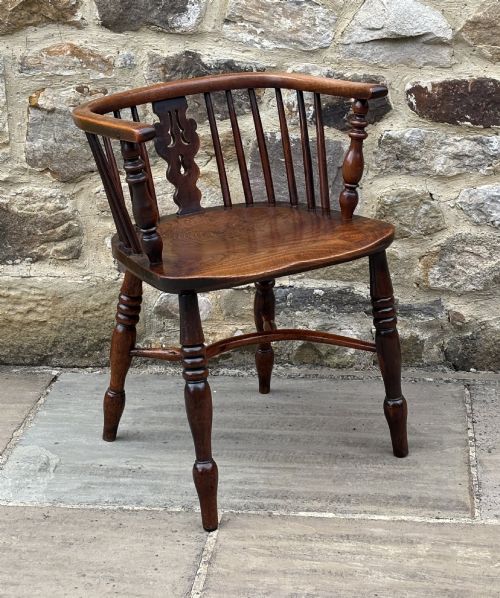
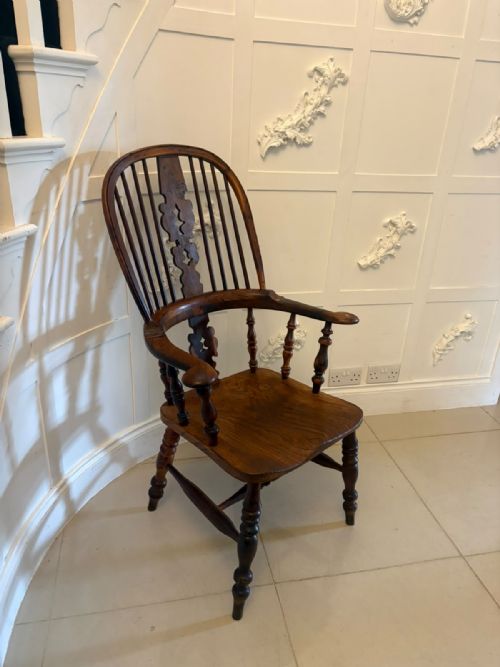
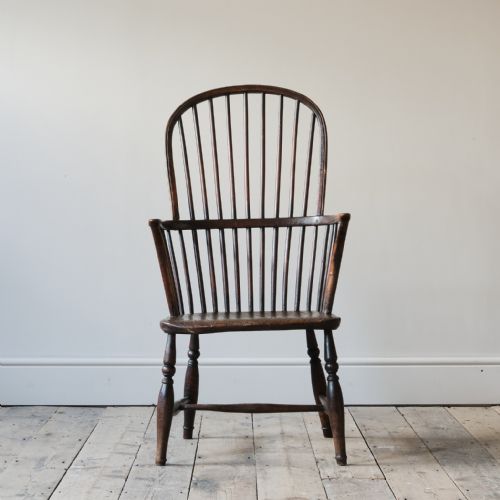
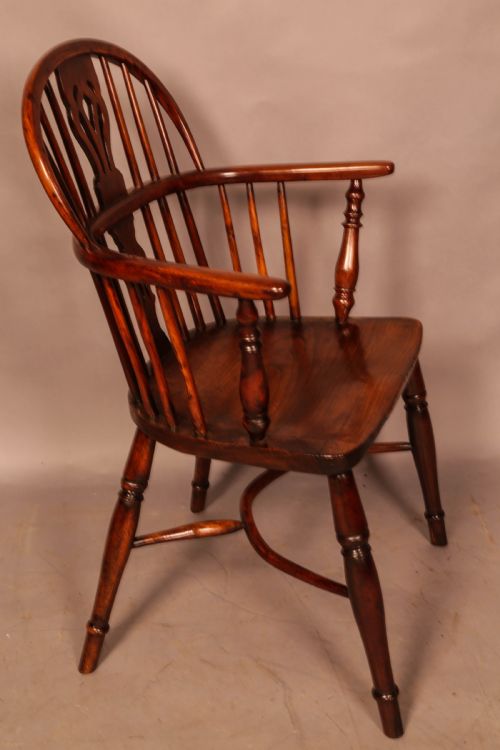
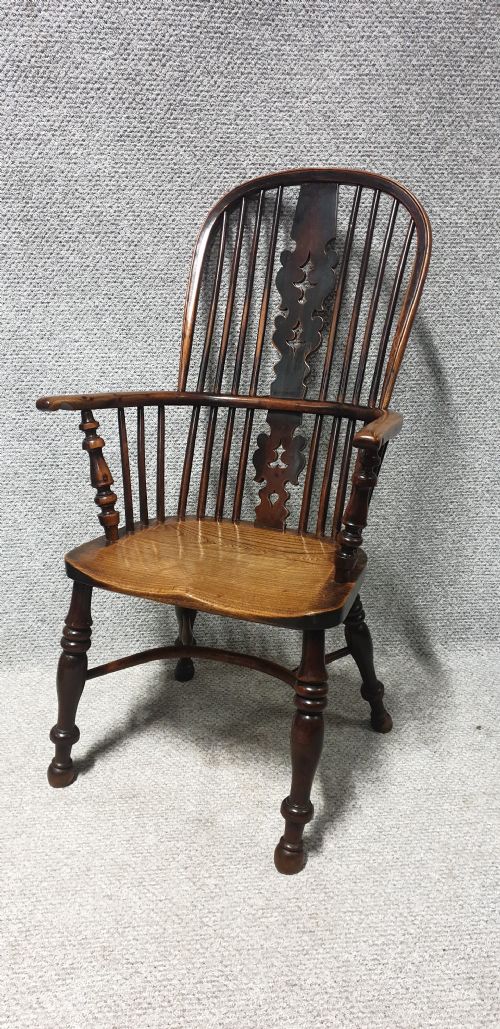
When you search for yew bow back chairs, you encounter robust country seating designed with characteristic curved backrests. These items originate predominantly across the nineteenth century, encompassing Georgian and Victorian provincial periods.
The selections on this page are exclusively armchairs, frequently featuring distinctive hoop back, low back, and broad arm formations. Makers from English country houses and provincial workshops shaped these pieces from native timbers for domestic utility.
How they were made
Cabinet makers and bodgers constructed these chairs using a combination of yew, elm, beech, and ash. They turned spindles on pole lathes and bent timber under steam to form the characteristic bow backs.
Seats were typically carved from solid elm blocks to accommodate the sitter, while ash and beech provided sturdy legs and stretchers to support the frame.
Yew Bow Back Chairs Retail Price Guide 2026
Typical asking prices for yew bow back chairs among the pieces listed under this phrase on Sellingantiques today, from the lower quarter to the upper quarter. They describe what is for sale here now, not the wider market.
What varies in quality
The grain and figuring of the timber dictate much of the visual merit, with burr yew providing highly decorative surfaces. Finer examples display more fluid shaping in the arms and more slender, well-turned spindles.
Structural integrity depends on the original pairing of woods, such as combining yew bows with elm seats and ash underframes. Patination also separates standard examples from pieces showing deep, timeworn character accumulated over generations.
John Brand of Sleaford·Rockley Maker
The Yew Bow Back Chairs Glossary
- Bow back
- A continuous curved wooden member forming the upper backrest and arm supports of a Windsor chair. This steam-bent element provides structural strength and comfortable support.
- Windsor chair
- A wooden chair built with a heavy solid seat into which the legs and back spindles are tenoned directly. These vernacular pieces developed distinct regional characteristics across English provinces.
- Vernacular
- Everyday objects built by local craftspeople using traditional regional techniques and materials. These pieces prioritize practical utility over formal academic design.
- Patina
- The surface sheen and mellowing developed by wood over decades of handling, light, and waxing. It reveals the genuine age and history of the timber.
- Spindle
- A slender, turned wooden rod forming the vertical filling of the chair back. These components distribute weight and reinforce the upper bow.
Yew Bow Back Chairs: Frequently Asked Questions
What is a yew bow back chair?
A yew bow back chair is a traditional wooden armchair featuring a steam-bent curved backrest attached to a solid wooden seat. These pieces draw on English country vernacular traditions.
Craftsmen built them using native timbers like yew, elm, and ash during the Georgian and Victorian eras.
How do I date a yew Windsor chair?
Dating involves examining the turning of the legs, the shaping of the seat, and the species of wood used in construction. Earlier pieces often display broader proportions and simpler, heavier components.
Provincial construction methods and tool marks left by bodgers also help place a chair within the nineteenth century.
Are yew bow back chairs comfortable?
Yes, they are surprisingly comfortable because the solid elm seats are deeply saddled and dished to fit the body. The curved bow back and raked spindles support the sitter naturally.
Generous armrests on broad arm variants provide additional support for daily use.
Where were these chairs made?
These chairs were made in rural workshops and forested regions across England, including provincial districts and country estates. Bodgers turned components near woodland sources before final assembly in local shops.
They furnished country houses, farmhouses, and vernacular interiors throughout the nineteenth century.