


Yellow Sapphire Diamond Pendant
A yellow sapphire diamond pendant brings together bright stones and precious metals in wearable forms across multiple historic eras.
Yellow Sapphire Diamond Pendant
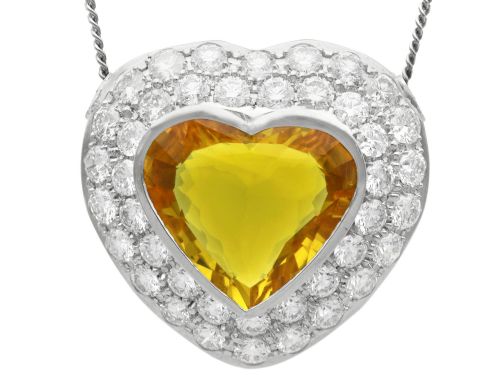
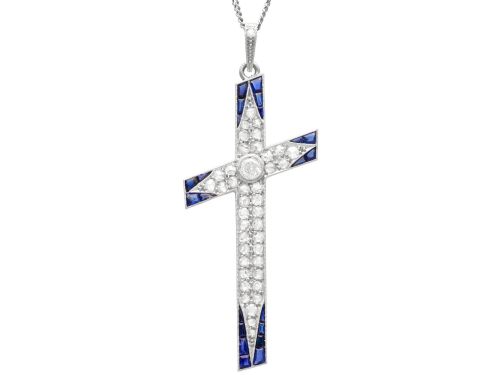
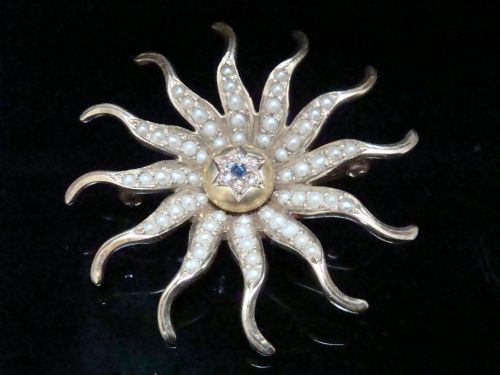
A yellow sapphire diamond pendant combines central coloured corundum with diamond accents, taking forms such as hearts, crosses, stars, and cluster motifs. These pieces span Victorian, Edwardian, and mid-twentieth-century periods, including Retro Modern and 1950s vintage designs.
The selection ranges from substantial heart pendants set in platinum or 14ct yellow gold to delicate cross pendants and convertible brooch-pendant combinations. Gold karats vary from 9ct and 14ct to 18ct, alongside platinum settings holding rose cut diamonds or seed pearls.
Buyers encounter diverse configurations, from large Ceylon sapphires framed by substantial diamond work to smaller antique cluster designs featuring emeralds alongside sapphires and diamonds.
Materials and construction
Goldsmiths set yellow sapphires and diamonds into platinum and various grades of yellow gold, including 9ct, 14ct, 15ct, and 18ct compositions. Early pieces frequently incorporate rose cut diamonds and seed pearls alongside the primary stones.
Workshop techniques span hand-fabricated platinum mounts for significant heart pendants and detailed cluster settings for star, cross, and fan motifs. Convertible mounts allow specific items to function as both pendants and brooches.
Listings feature yellow sapphire and diamond pieces spanning Victorian, Edwardian, 1930s, 1940s, 1950s, and 1960s periods.
Distinctions in quality
The calibre of the central sapphire dictates much of the visual impact, especially when comparing unheated stones or large Ceylon origins to standard commercial grades. Stone weight distribution between the primary sapphire and surrounding diamonds also shapes the overall balance.
Metal selection and setting execution separate robust platinum and higher-carat gold work from lighter 9ct constructions. The fineness of the diamond cutting, including the use of rose cut stones, influences how light moves across the piece.
The Yellow Sapphire Diamond Pendant Glossary
- Ceylon sapphire
- A sapphire originating from Sri Lanka, historically known for vivid colour saturation and high clarity. These stones often command attention in vintage and antique settings.
- Rose cut diamond
- An antique diamond cut featuring a flat base and a faceted dome that resembles an unopened rosebud. This cut produces a softer, broader reflection than modern brilliant cuts.
- Convertible pendant
- A piece of jewellery engineered with a hidden bail and a secure pin mechanism, allowing it to be worn either on a chain or pinned as a brooch.
- Seed pearl
- A very small, natural or cultured pearl used in clusters or delicate borders, frequently seen in Victorian and Edwardian jewellery.
- Retro Modern
- A design style spanning the 1940s that favoured bold yellow gold settings, sculptural forms, and prominent gemstone pairings.
Yellow Sapphire Diamond Pendant: Frequently Asked Questions
How do I date a yellow sapphire diamond pendant?
Dating relies on examining the metal grades, such as platinum or 15ct gold, and the cutting style of the diamonds, such as rose cuts. Design motifs like hearts, crosses, and convertible brooch fittings also point to specific eras from the Victorian period through the mid-twentieth century.
Changes in claw settings and gallery work help confirm whether a piece belongs to the Edwardian era or later decades like the 1950s.
Can these pendants be worn every day?
Sapphires and diamonds offer strong durability for daily wear, rating high on the hardness scale. However, older settings in 9ct or 14ct gold require careful handling to protect delicate claws and intricate gallery wirework.
Checking the security of the bail and any convertible pin mechanism ensures the pendant remains safe during regular use.
How does gold purity affect the appearance?
Platinum and higher-carat yellow gold provide different visual backdrops for yellow sapphires and diamonds. Platinum offers a bright, silvery contrast that enhances diamond sparkle, while 14ct and 18ct yellow gold impart a warm glow to the stones.
Lower-carat 9ct gold appears paler, altering the overall tone of the mounted gems.