





Yellow Painted Storage Box
A yellow painted storage box brings robust utility and vernacular colour into a room, offering honest containment shaped by decades of domestic or maritime service.
Yellow Painted Storage Box
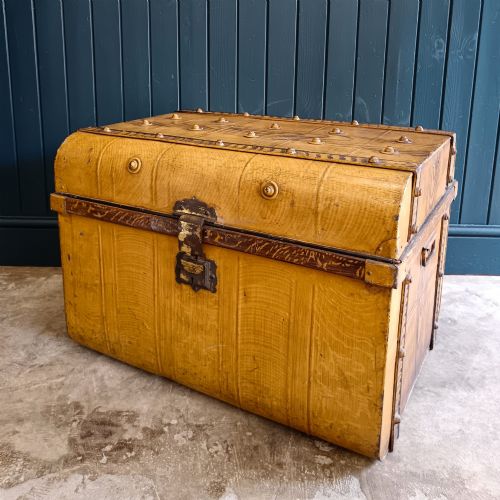
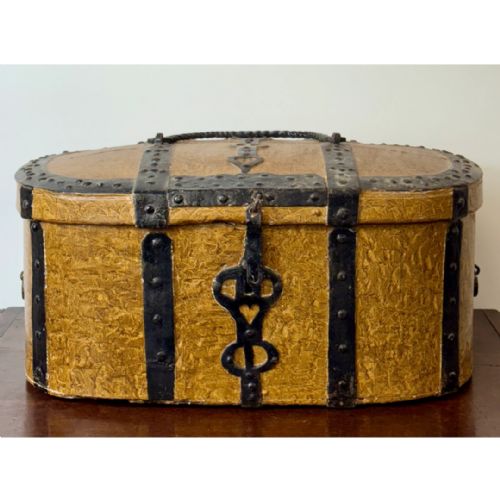
When you search for a yellow painted storage box, you encounter robust pine trunks, blanket chests, and utilitarian bins dressed in historic coats of paint. These pieces span the eighteenth and nineteenth centuries, drawing from Scandinavian, European, and British country traditions alongside maritime service.
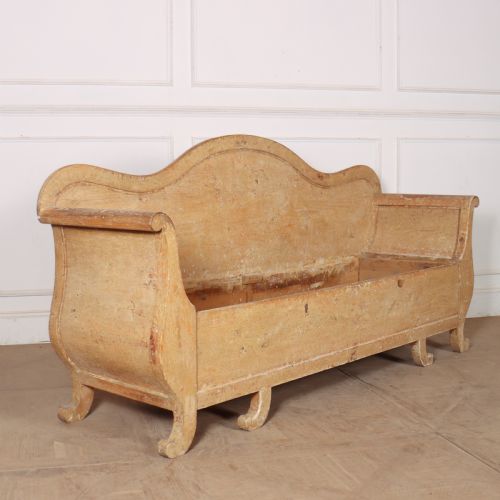
The most common forms on this page are sturdy timber chests and storage benches, frequently retaining their original decorative surfaces or scumble glazes. Alongside domestic trunks, the selection includes specialised coal bins, log bins, and heavy metal travelling trunks linked to shipping lines.
Origins vary from Swedish folk art workshops to Hungarian rural households and nineteenth-century coastal enterprises. Each piece bridges the gap between everyday storage and expressive regional craft, utilising durable timber or sheet metal to withstand hard daily use.
Construction and surface materials
Construction relies heavily on solid pine and heavy sheet metal or steel, joined with traditional iron, wrought iron, and brass hardware such as hinges and carrying handles. Timber bodies are fashioned into deep coffers and benches, while metal variants utilise riveted seams built for rigorous travel or damp storage conditions.
The characteristic yellow surfaces are achieved through oil paints, scumble glazes, or faux-wood graining applied over the base material. These painted finishes were often layered over earlier schemes or left to weather naturally, creating the rich patination seen on nineteenth-century country and folk art examples.
Yellow Painted Storage Box Retail Price Guide 2026
Typical asking prices for yellow painted storage box among the pieces listed under this phrase on Sellingantiques today, from the lower quarter to the upper quarter. They describe what is for sale here now, not the wider market.
The site's listings feature nineteenth-century pine, steel, and toleware spanning Scandinavian country, Victorian, and Regency styles.
Judging quality and character
Quality in these pieces rests in the integrity of the original surface and the honesty of the construction rather than pristine condition. A higher grade of piece retains its authentic painted finish with natural craquelure and wear, whereas lesser examples may suffer unsympathetic modern repainting that obscures the historic timber beneath.
Structural honesty also defines the superior object, where original wrought iron hinges, brass fittings, and solid pine boards remain intact without major reconstruction. The depth of folk art detailing, such as deliberate scumble effects or regional decorative motifs, separates standard utilitarian boxes from more expressive examples of country craft.
The Yellow Painted Storage Box Glossary
- Scumble
- A technique of dragging a translucent darker glaze over a lighter opaque base coat to simulate wood grain or create textured depth. This method was widely used on nineteenth-century pine furniture.
- Folk art
- Utilitarian objects decorated by rural artisans or self-taught makers using traditional local motifs. These pieces prioritise expressive local character over formal academic design.
- Coffer
- A heavy wooden chest traditionally used for storing valuables, textiles, or provisions. They are typically constructed with solid timber lids and robust iron reinforcement.
- Toleware
- Lacquered or enamelled sheet metal household objects produced in Europe and Britain. The technique involves baking layers of varnish on metal to create a durable, glossy surface.
Yellow Painted Storage Box: Frequently Asked Questions
What were yellow painted storage boxes used for?
These boxes served practical household and travel needs, holding blankets, winter fuel, or personal belongings across generations of domestic life.
Heavier metal variants were built for maritime journeys and shipping line transit, while timber coffers remained stationary in rural farmhouses and cottages.
How do I care for historic painted surfaces?
Keep these pieces away from direct sunlight and damp environments to protect the fragile nineteenth-century paint layers from flaking or fading.
Dust them gently with a dry, soft cloth and avoid modern chemical cleaners that can strip away the original oil or scumble finishes.
How can I tell the period of a painted trunk?
Examine the construction methods, such as hand-forged iron hardware, dovetail joints, and the composition of the underlying timber boards.
The characteristics of the paint layers, including natural wear patterns and historic craquelure, also indicate age.
Are these storage boxes suitable for modern homes?
Their sturdy construction makes them practical for hiding clutter, acting as coffee tables, or serving as hallway seating in the form of storage benches.
The vibrant painted finishes add a warm, grounded focal point to contemporary or traditional interior schemes.