



Yellow Gold Georgian Ring
A yellow gold georgian ring brings centuries of history to your finger, combining warm metals with hand-cut stones.
Yellow Gold Georgian Ring
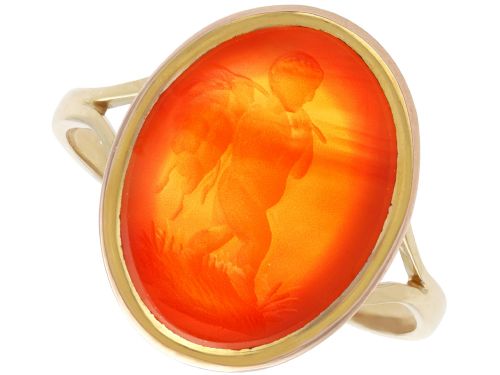
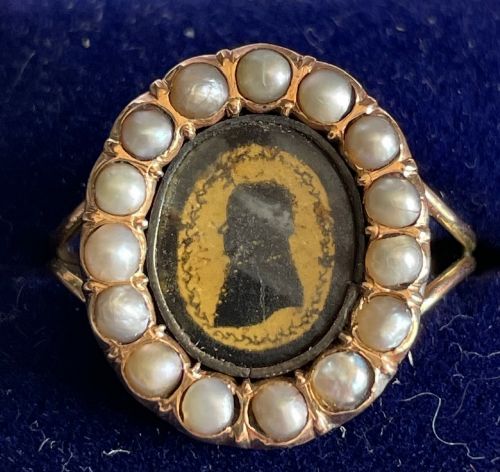
When you search for a yellow gold georgian ring, you enter a world of handmade jewellery spanning the eighteenth century and the early nineteenth century. These pieces include mourning rings set with hair and seed pearl, intaglios carved into hardstone, and carnelian solitaires.
Materials and construction
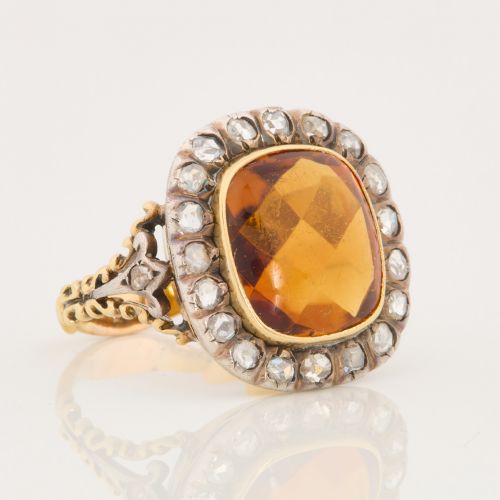
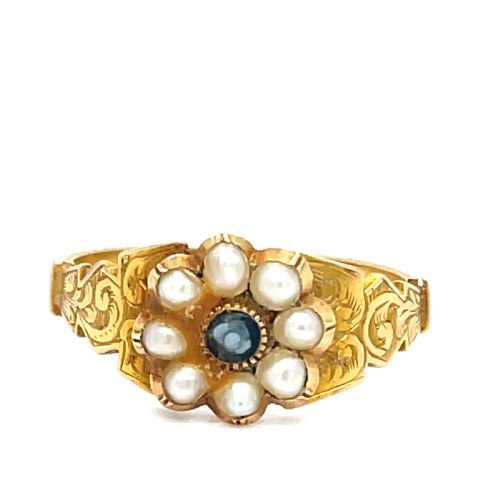
Makers shaped these rings using gold in nine-carat, fifteen-carat, and eighteen-carat standards, often pairing the warm metal with silver settings for gemstones to enhance their brilliance by candlelight. Stones such as diamonds, amethysts, citrines, and sapphires were hand-cut in rose-cut or table-cut styles rather than modern brilliant cuts.
Enamel work and delicate glass compartments frequently appear alongside seed pearls and woven hair in mourning pieces. Every component was shaped by hand, leaving subtle irregularities that mark them out from later machine-made jewellery.
Yellow Gold Georgian Ring Retail Price Guide 2026
Typical asking prices for yellow gold georgian ring among the pieces listed under this phrase on Sellingantiques today, from the lower quarter to the upper quarter. They describe what is for sale here now, not the wider market.
Materials recorded across the current selection include eighteen-carat gold, nine-carat gold, silver, enamel, paste, and seed pearls.
Quality and craftsmanship
The distinction between average and exceptional pieces lies in the crispness of the hand-carved details and the original integrity of the setting. Finer rings retain their closed-back foils behind stones and undamaged enamel work, showing minimal wear to the delicate engravings on the shank.
The quality of the gemstones and the precision of the miniature work, particularly in hair art and silhouette paintings, dictate the standing of the piece. A superior ring demonstrates mastery in miniature design where every seed pearl and stroke of enamel remains secure and distinct.
The Yellow Gold Georgian Ring Glossary
- Navette
- A boat-shaped ring setting that tapers to points at either end. This elongated design sits flat along the finger and was particularly popular during the late eighteenth century.
- Rose-cut
- A diamond or gemstone cut with a flat base and a domed crown consisting of triangular facets arranged in a star shape. This historic cut produces a soft glow rather than modern brilliance.
- Mourning ring
- A piece of jewellery commissioned to remember a deceased person, frequently featuring black enamel, pearls, or woven human hair beneath a crystal cover.
- Intaglio
- A gemstone or hardstone carved with a sunken design so that it produces a raised impression when pressed into sealing wax. These were often used as personal signets.
- Paste
- Hand-cut and polished lead glass used to imitate gemstones in antique jewellery. High-quality paste was prized in its own right for its clarity and weight.
Yellow Gold Georgian Ring: Frequently Asked Questions
How do I care for a georgian ring?
These antique rings require gentle handling because their closed-back settings and foiled stones are sensitive to moisture. Remove your ring before washing hands, swimming, or applying lotions to protect the delicate enamel and hairwork.
Store each piece separately in a soft pouch to prevent the old gold and soft gemstones from scratching against modern jewellery.
Can I wear a georgian ring daily?
Daily wear is possible with robust stone rings, but fragile mourning rings and pieces with seed pearls need occasional rests. The low-set navette and solitaire designs fit comfortably against the hand for everyday use.
Consider reserving more delicate enamel and hairwork pieces for special occasions to preserve their fragile components.
How can I tell a georgian ring's age?
Dating relies on stylistic clues like closed-back settings, rose-cut diamonds, and hand-carved shanks rather than standardised hallmarks, which are often absent or rubbed away. Mourning inscriptions and style markers such as navette shapes provide reliable clues to the decade of creation.
Comparing the mounting techniques to dated pieces in collections helps narrow down the period of manufacture.
Were all georgian rings made of yellow gold?
Yellow gold in various carat weights dominates the period, but makers frequently combined metals. Silver was often soldered to the top of the gold shoulders to hold diamonds securely and reflect white light.
Lower carat golds and unmarked gold alloys also appear frequently, reflecting the specific regulations and workshop practices of the eighteenth century.