



Yellow Gold Bypass Ring
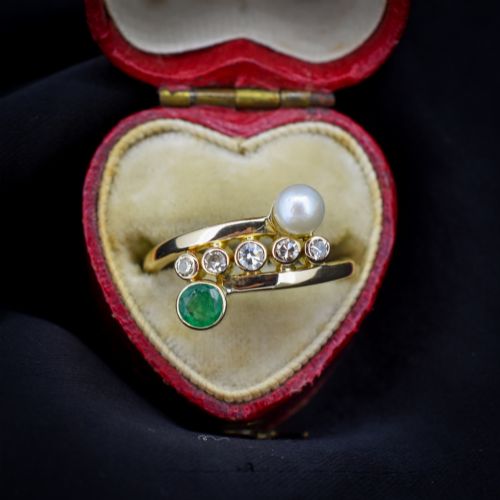
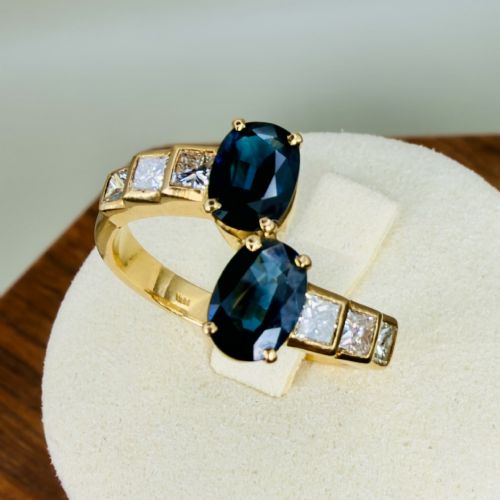
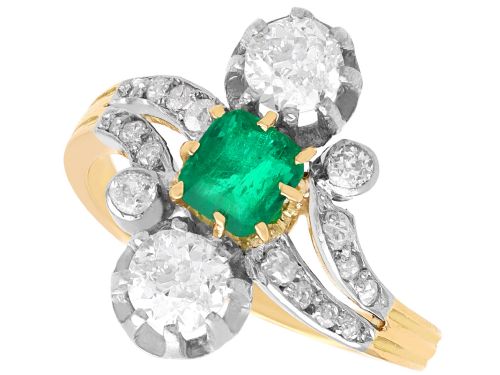
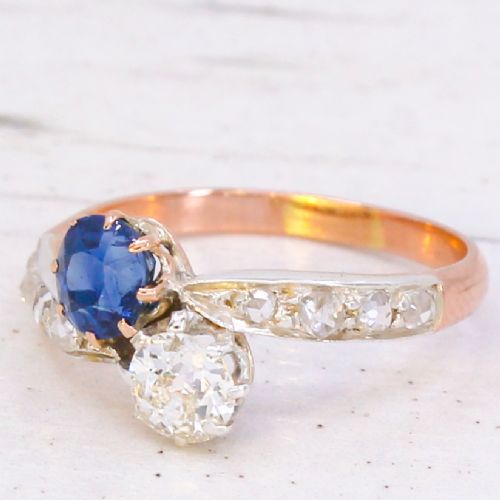
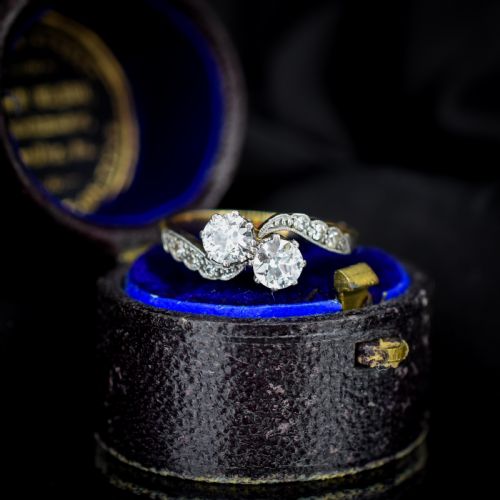
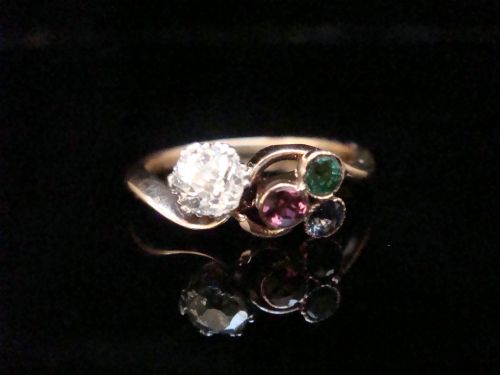
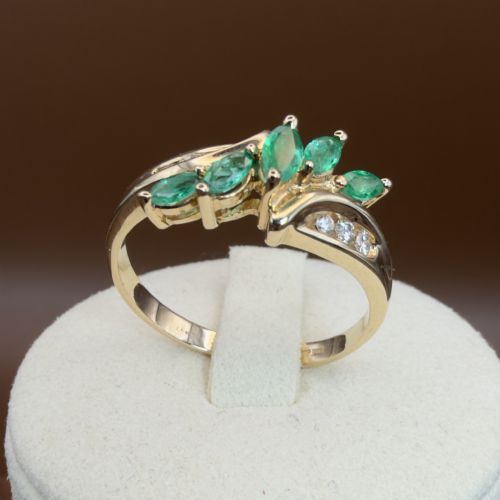
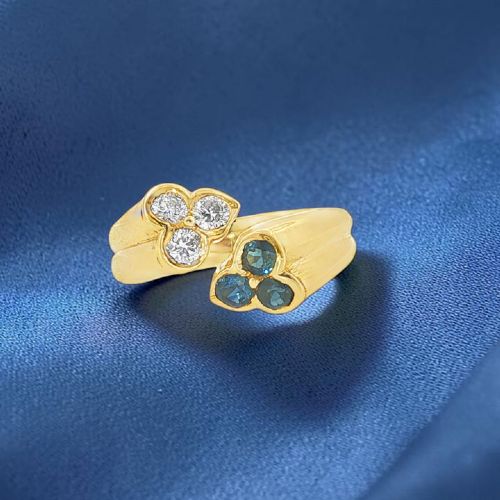
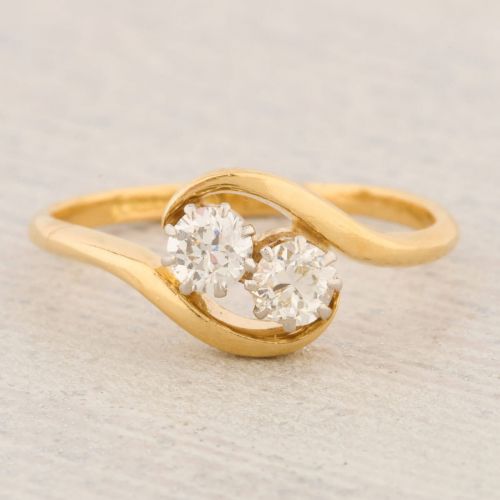
A yellow gold bypass ring wraps the finger with twin shanks that cross past one another, offering a fluid silhouette set with diamonds, sapphires, or emeralds.
Yellow Gold Bypass Ring
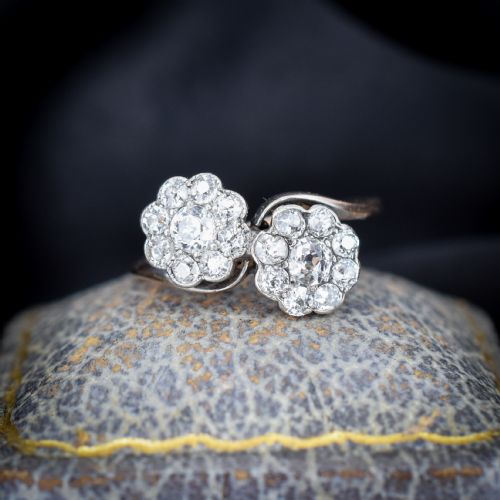
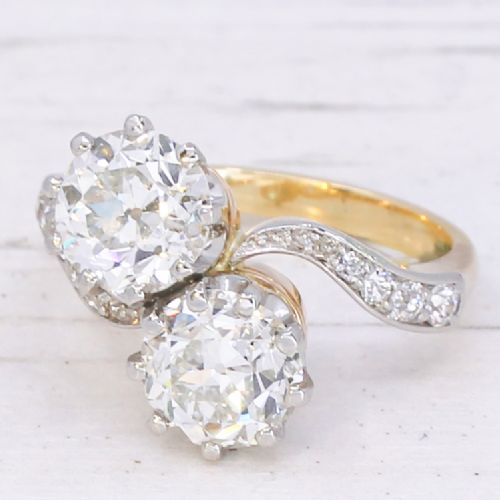
A yellow gold bypass ring uses a sweeping, asymmetric band where the ends curl past each other rather than meeting in a traditional symmetrical loop. This configuration appears frequently alongside twist, crossover, and toi et moi designations across the Victorian, Edwardian, Art Deco, and mid-century periods.
The form frequently pairs warm 18ct yellow gold with contrasting stones such as old cut diamonds, sapphires, emeralds, rubies, and pearls. Examples range from simple two-stone diamond configurations to elaborate cluster and twist designs featuring turquoise or amethyst.
How they were made
Goldsmiths shaped 18ct yellow gold, 14ct gold, and occasionally platinum into flexible, curving shanks that supported the overlapping design. Stones were secured using bead, prong, or flush settings tailored to the tight curves of the bypass and twist architecture.
Gemstones including old European cut diamonds, sapphires, pearls, and emeralds were selected to fit the dynamic contours of the intersecting bands, often integrating white metals like platinum near the stone settings to heighten visual contrast.
The listings span from Victorian and Edwardian origins through Art Deco and mid-century eras, utilising 18ct yellow gold, platinum, diamonds, emeralds, and sapphires.
What varies in quality
The distinction between tiers rests upon the weight and fluid grace of the gold shanks, the matching and cut of the paired gemstones, and the integrity of the structural crossover. Heavier 18ct gold constructions maintain their tension and shape more robustly than lighter iterations.
Kutchinsky
The Yellow Gold Bypass Ring Glossary
- Bypass ring
- A ring style featuring a band with two terminals that cross or bypass one another without joining. This creates an open, adjustable appearance on the finger.
- Toi et Moi
- French for you and me, denoting a ring design featuring two main stones set closely side by side or overlapping in a twist or bypass arrangement.
- Old cut diamond
- A hand-faceted diamond cut before the standardisation of the modern brilliant, typically characterised by a smaller table, higher crown, and open culet.
- Crossover
- A ring configuration where the shoulders of the band cross over each other at the centre, similar in concept to the bypass form.
- Trilogy
- A ring set with three principal stones, which occasionally incorporates swirlover or bypass elements in the surrounding metalwork.
Yellow Gold Bypass Ring: Frequently Asked Questions
What is a yellow gold bypass ring?
A yellow gold bypass ring is a piece of jewellery where the shank splits into two terminals that cross past each other on the finger. This design creates a continuous, flowing line that often holds paired gemstones.
Such rings appear across various historical periods, frequently utilising 18ct yellow gold paired with diamonds, sapphires, or pearls in twist and crossover configurations.
How do you wear a bypass ring?
A bypass ring is typically worn on its own as a statement piece due to the distinctive overlapping architecture of the band. The asymmetric sweep of the shoulders draws the eye directly to the centre.
Because the band crosses over itself, pairing it with a straight wedding band can leave a gap, so it is often worn comfortably on the middle or ring finger independently.
What is a toi et moi ring?
A toi et moi ring is a specific style featuring two prominent gems set closely together, often utilising a bypass or twist shank where the stones symbolise two lives becoming one. This form became popular in antique and Edwardian jewellery.
These pieces frequently combine contrasting gems, such as an old cut diamond paired with a sapphire or an emerald, mounted in yellow gold and platinum.
How do I date a gold twist ring?
Dating a gold twist or bypass ring involves examining the cut of the gemstones, the carat of the gold, and any hallmarks present on the inner shank. Old European cut diamonds and hand-carved settings usually point towards Victorian or Edwardian eras.
Later mid-century and vintage pieces often feature heavier cast yellow gold work, cleaner emerald or princess cut stones, and distinct hallmarks that record assay office details and exact years.