

Yellow Glazed Earthenware
Yellow glazed earthenware brings warmth and rich citrus tones to historic interiors through centuries of pottery traditions.
Yellow Glazed Earthenware
Yellow glazed earthenware comprises functional vessels and decorative forms produced across the seventeenth, eighteenth, and nineteenth centuries.
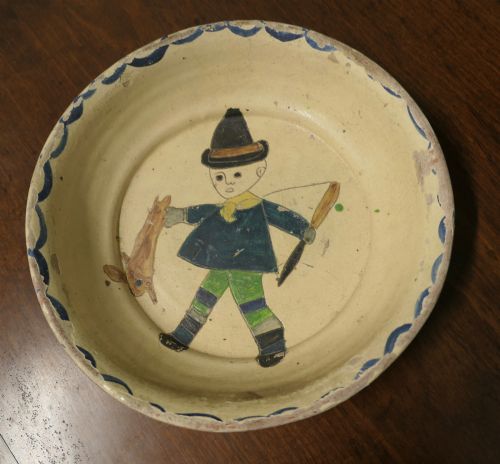
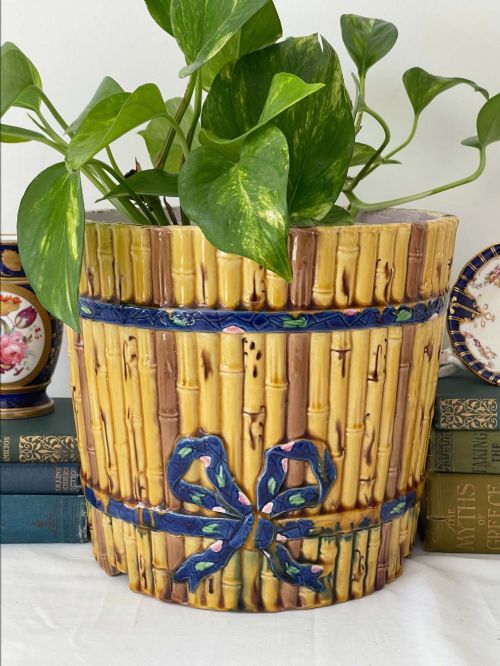
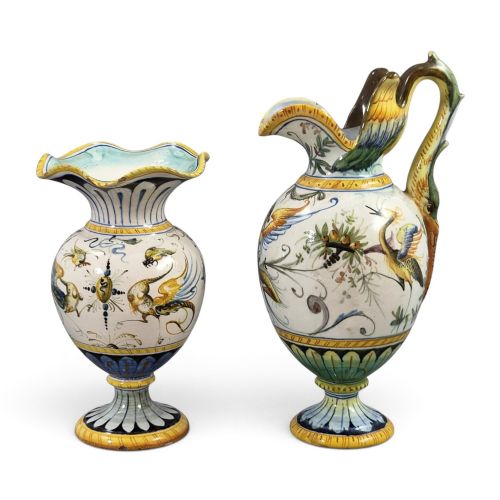
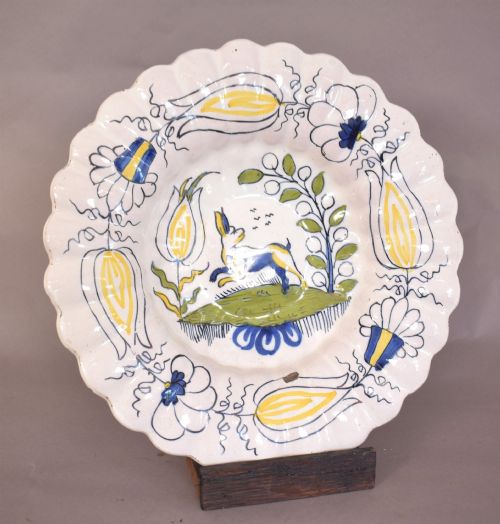
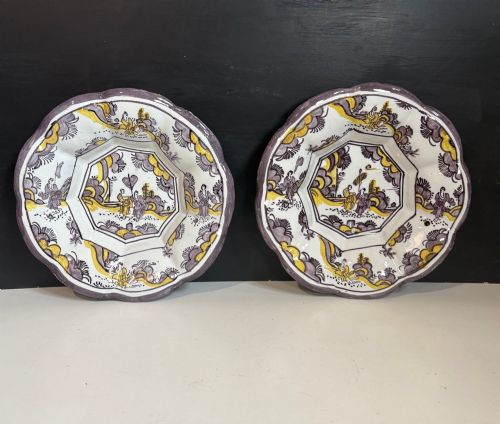
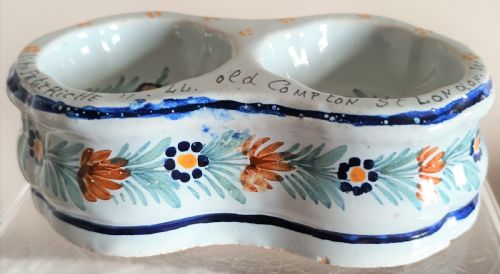
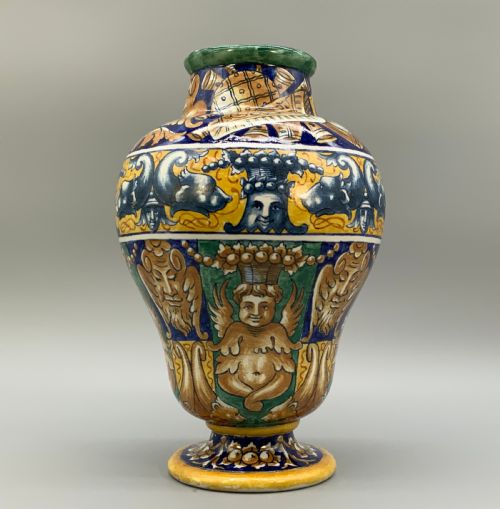
Buyers will encounter items ranging from early slipware serving dishes and Verwood pottery to nineteenth-century majolica chargers and Italian faience ewers.
These ceramic objects display the enduring appeal of bright metallic oxides applied to porous clay bodies for domestic display.
How they were made
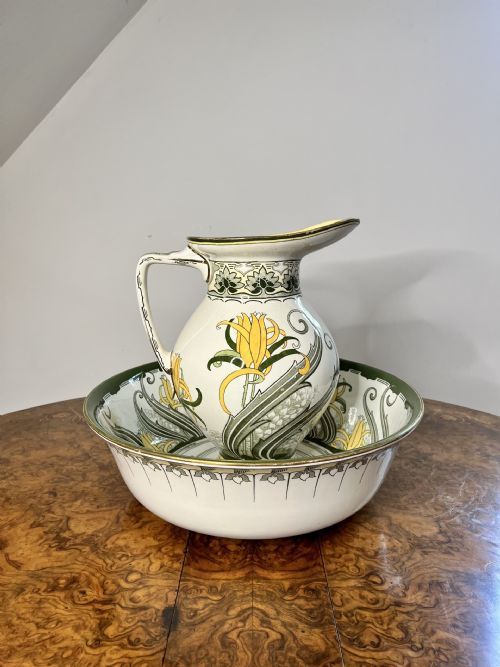
Potters formed bodies from earthenware clay, shaping them into plates, jugs, and albarello pharmacy jars before applying liquid slips or tin glazes.
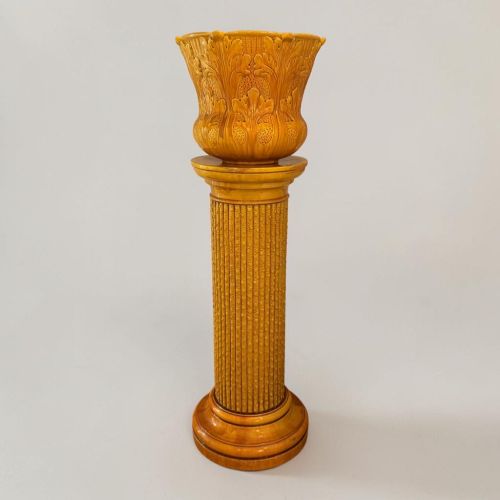
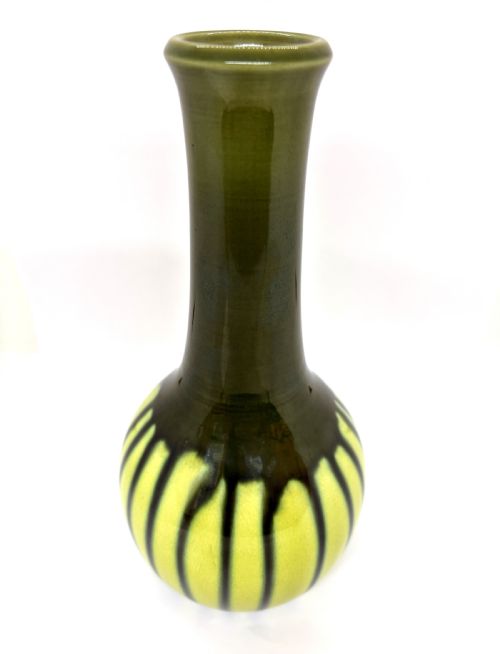
The characteristic yellow surfaces rely on lead or tin glazes fired to fix the colour and seal the porous clay underneath.
Yellow Glazed Earthenware Retail Price Guide 2026
Typical asking prices for yellow glazed earthenware among the pieces listed under this phrase on Sellingantiques today, from the lower quarter to the upper quarter. They describe what is for sale here now, not the wider market.
Listings span seventeenth-century Dutch Delft to nineteenth-century Italian majolica and slipware.
What varies in quality
Quality rests in the crispness of the modelled form, the depth and evenness of the glaze coverage, and the sophistication of hand-painted polychrome details.
Stronger examples exhibit confident throwing or moulding alongside stable, unclouded glaze surfaces that retain their intended vibrancy across the centuries.
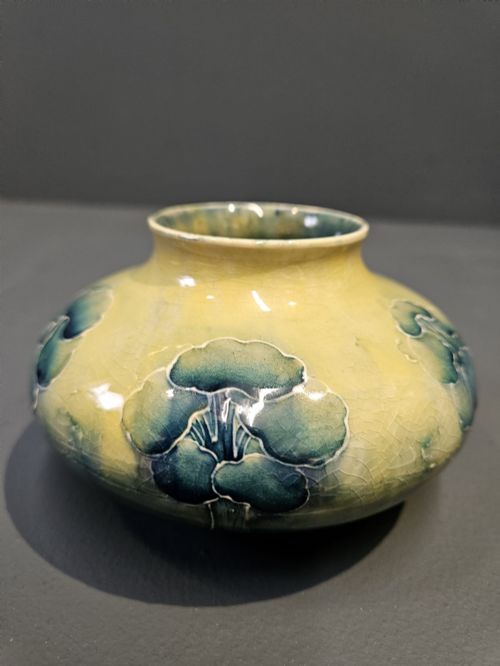
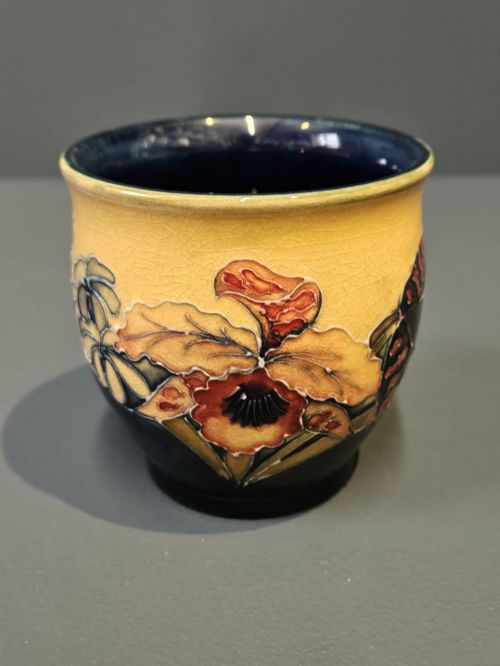
Moorcroft Hazeldene·Doulon Burslem·Cantagalli Florence·Burmantoft's Pottery·Clarice Cliff
The Yellow Glazed Earthenware Glossary
- Earthenware
- Porous pottery fired at lower temperatures, requiring a glaze to hold liquids.
- Majolica
- Tin-glazed earthenware decorated with colourful metallic oxide pigments over an opaque white or cream ground.
- Slipware
- Pottery decorated with a thin mixture of clay and water applied before firing to create contrasting surface patterns.
- Albarello
- A cylindrical earthenware jar originally used by apothecaries to store drugs and ointments.
Yellow Glazed Earthenware: Frequently Asked Questions
What are yellow glazed earthenware pieces?
These pieces are historic ceramic vessels and dishes coated with lead, tin, or slip glazes that produce a distinct yellow tone. They include utilitarian jugs, apothecary jars, and decorative chargers.
Potters produced them across various European and Middle Eastern centres to serve functional domestic roles or display colourful ornamentation.
How were these ceramics used historically?
Historic households utilised these earthenware items for food preparation, serving liquids, storing dry goods, and washing.
Many larger chargers, plaques, and decorative vases were also made specifically for wall display and interior ornamentation in polite rooms.
How do I live with yellow glazed earthenware?
Display these ceramics away from direct, harsh sunlight to protect historic glazes and place them securely on stable surfaces.
Wash them only by hand using mild water when necessary, avoiding harsh detergents that can penetrate porous historic earthenware bodies.
How do I tell different periods apart?
Dating relies on examining the clay body, the formulation of the glaze, and the style of decoration applied by the potter.
Earlier seventeenth and eighteenth-century examples often feature heavier thrown bodies and slip decoration, while nineteenth-century majolica and faience display brighter, highly coloured painted scenes.