




Yellow Flower Still Life
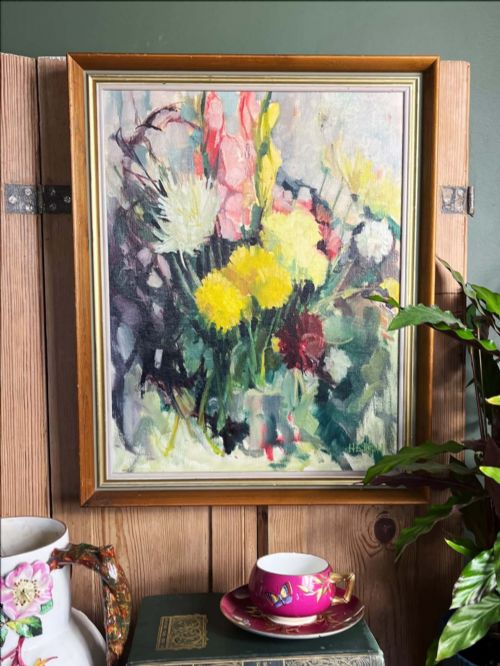
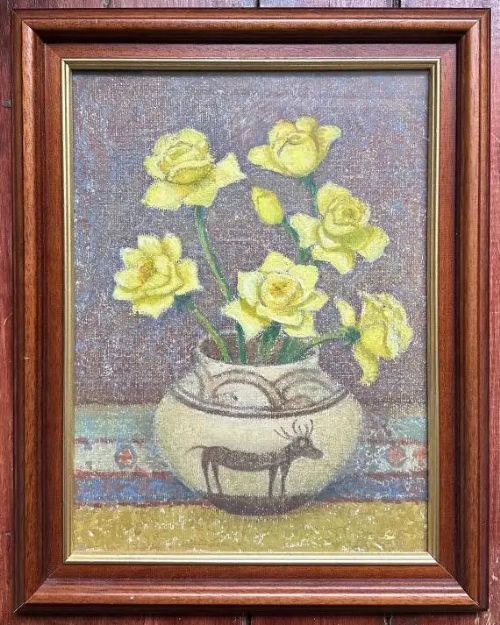
A yellow flower still life brings bright colour and botanical study directly onto the wall through oil and watercolour.
Yellow Flower Still Life
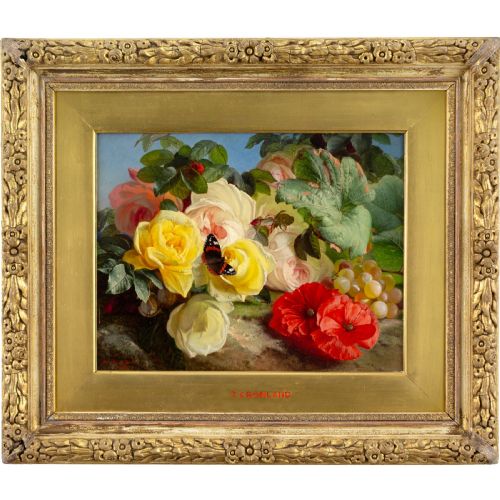
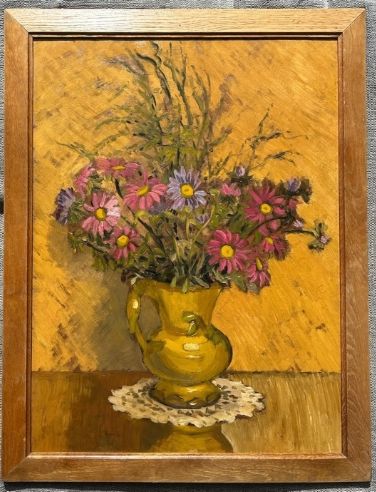
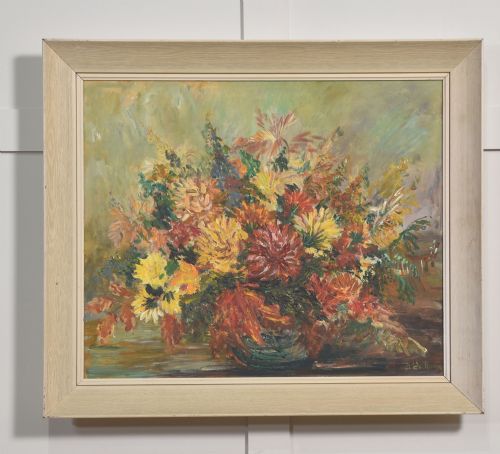
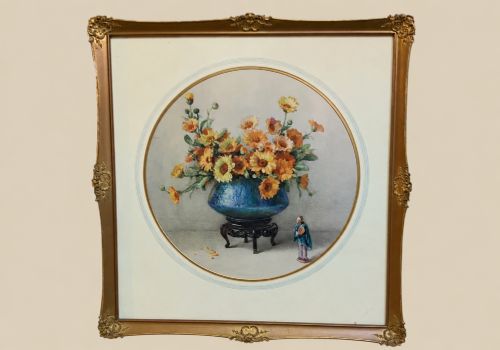
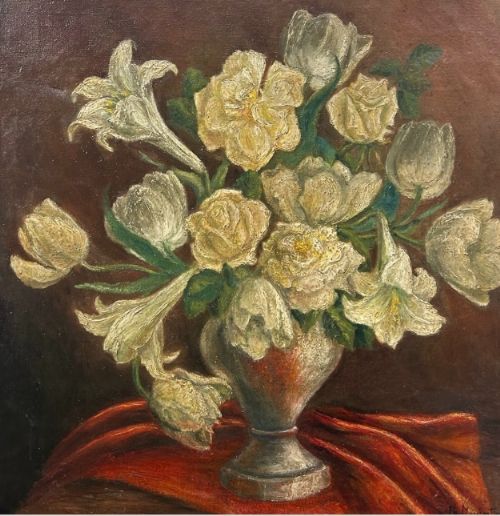
A yellow flower still life captures painted floral arrangements across various centuries and movements. These works range from Victorian watercolours to mid-century impressionist canvases depicting blooms in vases, bowls, and baskets.
The selections span traditional nineteenth-century realism to modernist interpretations of blossoms. Common compositions place yellow roses, marigolds, and chrysanthemums centrally against muted or contrasting backgrounds.
Materials and methods
Artists painted these subjects primarily using oil paint on canvas or board, alongside delicate watercolours on paper. Gilded wood frames often complement the canvases, adding architectural weight to the painted compositions.
The application varies from smooth nineteenth-century realism to textured mid-century impasto brushwork. Support mediums include canvas, wood panels, paper, and occasionally metal.
Listings feature works created across eight different decades, spanning canvas, paper, and wood.
Assessing the work
Quality rests upon the artist's handling of light, shadow, and botanical structure within the arrangement. Superior examples demonstrate confident brushwork and balanced composition that animate the floral subjects.
The relationship between the vase and the blossoms reveals the painter's spatial control. Finer pieces maintain tonal harmony across the background and the petals without relying on excessive detail.
Theude Gronland·Kenneth Cozens·D L Williams·Emma Fordyce MacRae·Henrietta Creswell·Amile Coppieters·Sir Matthew Smith·Eloise Harriet Stannard·Robin MacKertich·Freda Marston·Rowland Henry Hill·Phyllis I Hibbert·Marian Chase·James Stuart Park·Ernest Higgins Rigg·Julien Stappers·Bertoldo Taubert·Louisa Mary Bancroft·Owen Bowen·William Greaves·Olive Higginbottom
The Yellow Flower Still Life Glossary
- Still life
- A work depicting inanimate subject matter, typically everyday objects or botanical specimens. This genre allows artists to focus on colour, form, and texture rather than narrative action.
- Impasto
- Paint applied thickly to a canvas or board, leaving visible brush or palette knife marks. This technique creates physical texture and catches light across the painted surface.
- Realism
- An artistic movement aiming to represent subject matter truthfully without artificiality. In floral studies, this appears as botanical accuracy in petal structure and leaf formation.
- Impressionism
- A style emphasising light and its changing qualities rather than precise detail. Works in this manner capture the general visual impression of flowers through broken colour.
- Gilt
- A thin layer of gold applied to wood frames or decorative elements. This finish provides a reflective border that separates the painting from the surrounding wall.
Yellow Flower Still Life: Frequently Asked Questions
What periods do these paintings cover?
The available works span from the nineteenth century through the mid-twentieth century. Styles shift from Victorian realism to mid-century impressionism and modern British approaches.
Earlier pieces often use watercolour on paper, while later decades favour oil on canvas or board.
How should I hang a floral painting?
Match the scale of the frame to your wall space and surrounding furniture. Consider eye level placement in rooms with good natural light to appreciate the brushwork.
Keep oil paintings away from direct sunlight and damp environments to protect the canvas and pigment.
What flowers appear most often?
Yellow roses, chrysanthemums, wallflowers, and marigolds frequently anchor the compositions. Artists often pair these blooms with fruit, Chinese objects, or simple ceramic vases.
The specific choice of flora often reflects the seasonal interests of the period in which the artist worked.
How do I distinguish watercolours from oils?
Watercolours use thin, translucent washes on paper and usually require glass protection within the frame. Oil paintings feature heavier pigment layers on canvas or board with visible surface texture.
Oils generally display a richer depth of colour and do not require mounting under glass.