


X Frame Writing Desk
An x frame writing desk combines clever folding mechanisms with compact utility, offering a sturdy workspace that shifts easily between rooms.
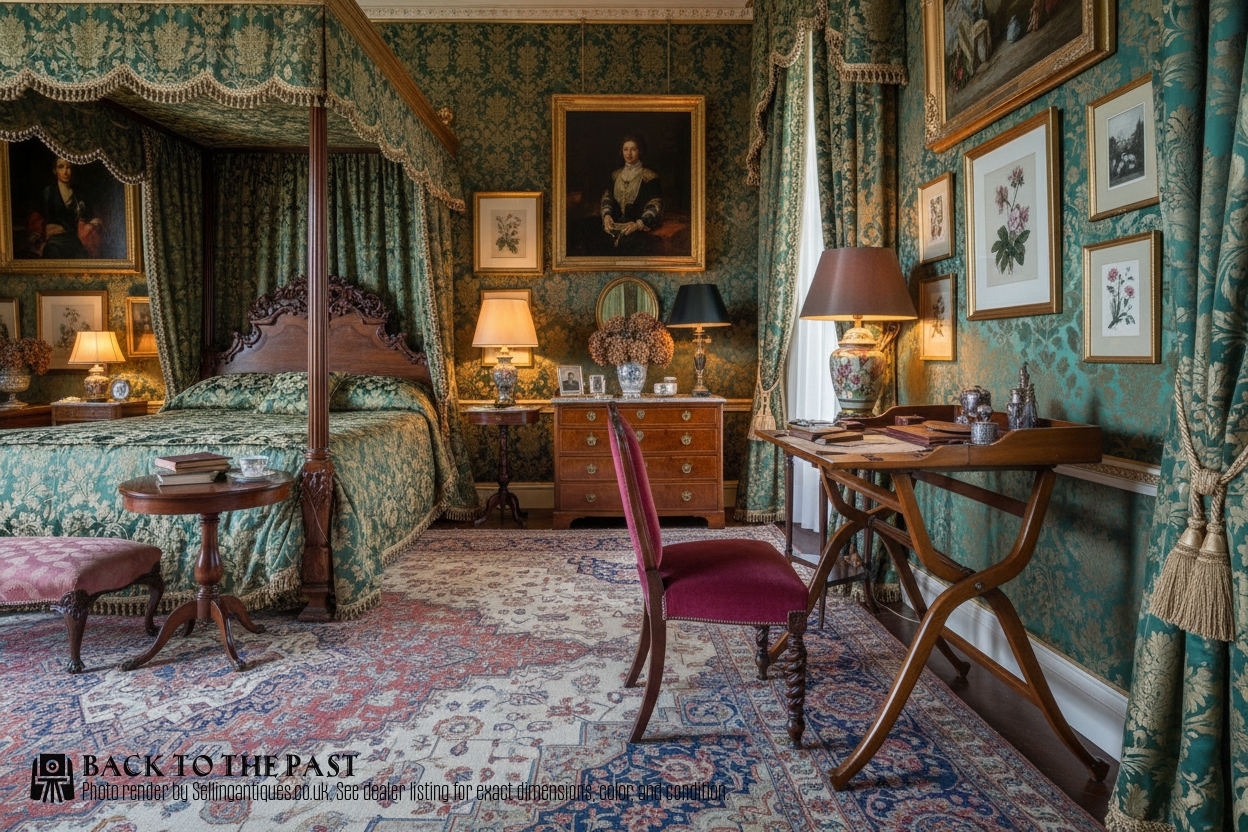
X Frame Writing Desk
An x frame writing desk relies on crossing structural supports beneath the top to provide stability without heavy pedestals. Buyers searching this phrase encounter forms spanning the nineteenth century through the Edwardian era, incorporating campaign pieces and patent folding designs.
The pieces listed here appear in regional timber varieties including oak, mahogany, walnut, and pitch pine. Certain examples take the form of freestanding centre tables or specific travelling desks designed for military use.
Styles range from Victorian Gothic Revival and Chinese Chippendale to rustic farmhouse and Arts and Crafts interpretations. Many examples integrate leather surfaces or brass mounts suited to active daily correspondence.
Materials and construction methods
Cabinetmakers utilised solid timbers such as mahogany, oak, and walnut to build the folding frames and structural supports. Pitch pine and standard pine also appear in utility pieces from later periods.
Hardware components of brass secure the folding mechanisms and campaign joints that allow the desks to collapse for transport. Leather inserts provide a traditional writing surface set into the timber tops.
X Frame Writing Desk Retail Price Guide 2026
Typical asking prices for x frame writing desk among the pieces listed under this phrase on Sellingantiques today, from the lower quarter to the upper quarter. They describe what is for sale here now, not the wider market.
Listings feature woods spanning mahogany, oak, walnut, pine, and pitch pine across nineteenth-century and Edwardian periods.
Judging quality in folding desks
The precision of the pivoting joints and the durability of the folding mechanism dictate the mechanical success of the piece. Superior examples operate smoothly without loosening at the cross-points.
Finer construction shows in the selection of figured mahogany or carved oak rather than plain utility timbers. The integration of patented folding systems or specialised military hardware elevates the sophistication of the design.
The X Frame Writing Desk Glossary
- X frame
- A structural arrangement where two legs cross in the shape of the letter X to support a tabletop. This design provides lateral stability and permits folding action in portable furniture.
- Campaign desk
- Portable furniture built for military officers on the move, featuring folding stands and brass reinforcement corners. These pieces break down for easy transport.
- Trestle table
- A table comprising a horizontal beam supported by two vertical or slanting frames. Versions in this category utilise the trestle principle to create stable writing surfaces.
- Metamorphic
- Furniture designed to transform from one object into another, such as a table that converts into a desk. These pieces utilise clever hinges and folding panels.
- Pitch pine
- A resinous pine variety utilised for nineteenth-century utility furniture. It offers high durability and distinct grain patterns.
X Frame Writing Desk: Frequently Asked Questions
What is an x frame writing desk?
An x frame writing desk is a portable or compact writing surface supported by crossing legs. These pieces range from military campaign desks to domestic folding tables.
Such designs allow the furniture to be stored or moved easily while maintaining a rigid surface for writing.
How do I date a folding desk?
Dating depends on the timber species, hardware style, and period characteristics like Gothic Revival carving or Edwardian patents. Examining the construction methods reveals the era of manufacture.
Makers often stamped patent details or utilised specific brass fittings that help narrow down the production decade.
Were these desks used for travel?
Many examples on this page are specifically designated as campaign or travelling desks built for military use. Their folding frames allowed officers to pack them into transit crates.
Other variations served as domestic space-saving furniture for smaller Victorian and Edwardian rooms.
What woods were used for these desks?
Cabinetmakers employed hardwoods like mahogany, walnut, and oak for domestic and high-status pieces. Softer woods such as pine and pitch pine appear in utilitarian or ecclesiastical contexts.
Leather inserts frequently top the writing surfaces to provide a smooth plane for ink and paper.