
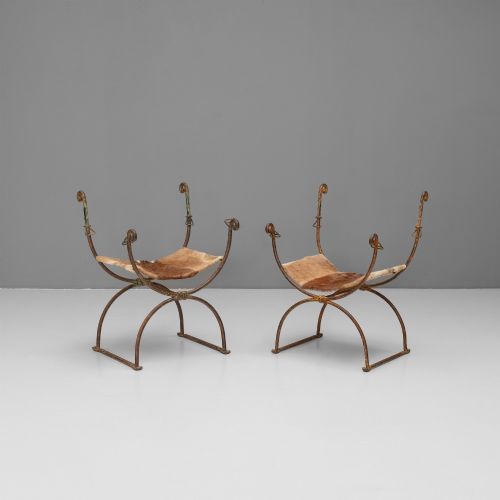


X Frame Accent Chair
An x frame accent chair provides distinctive seating, uniting historical forms with sturdy wooden or metal supports.
X Frame Accent Chair
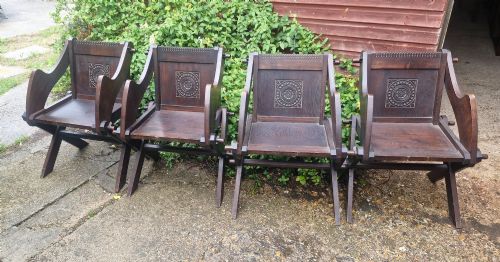
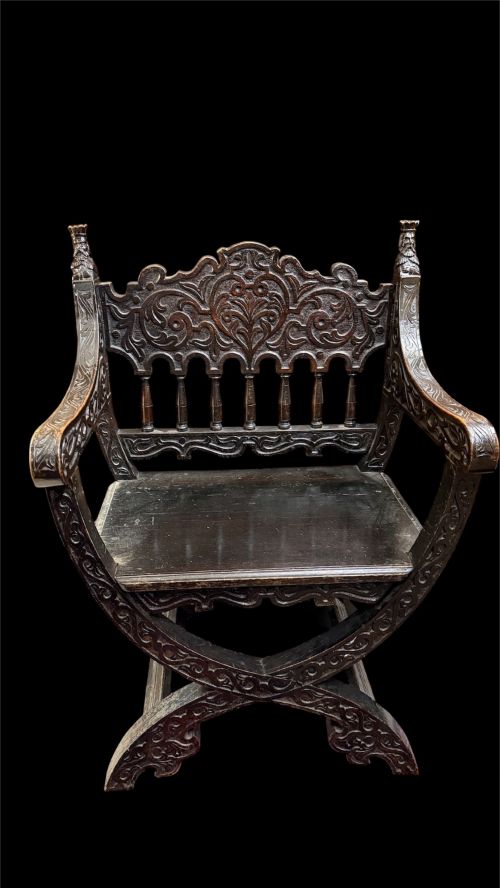
When you search for an x frame accent chair, you encounter seating built around intersecting structural supports that form a characteristic cross shape. The listings on this page include armchairs and side chairs originating from the nineteenth and early twentieth centuries, alongside pieces from the nineteen-thirties.
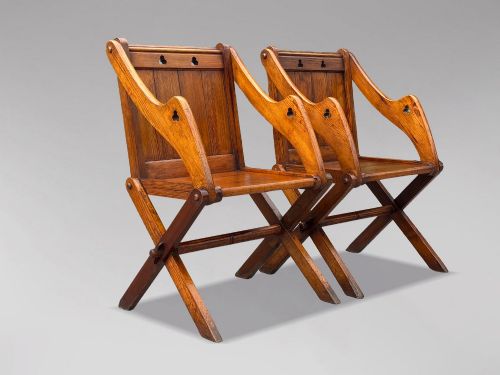
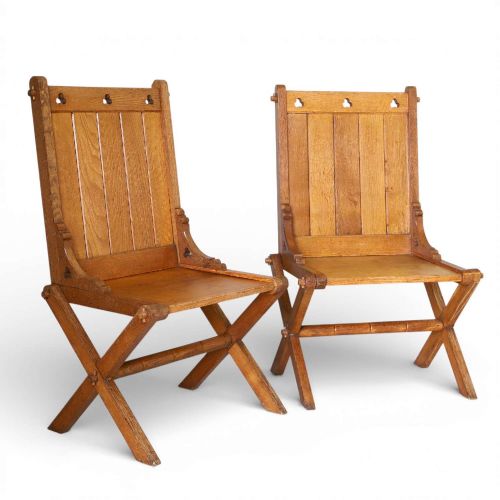
The selection ranges from oak Glastonbury armchairs with medieval influences to walnut and mahogany frames finished in styles such as Gothic Revival, Art Deco, and French Rococo Revival. Makers utilise various timbers and metals to construct these foundational crossed supports, creating functional seating for libraries, drawing rooms, and bedrooms.
How they were made
Carpenters and cabinetmakers constructed these frames using hardwoods including oak, walnut, mahogany, and pitch pine, occasionally incorporating brass or iron framework. Joints were joined firmly to bear weight on the intersecting members characteristic of the cross-frame design.
Upholstery techniques applied to these chairs involve traditional materials such as leather, velvet, hessian, and fabric, sometimes secured with buttoning or needlework. Wooden elements often display carved detailing, split cane panels, or painted surfaces, reflecting the decorative tastes of periods from the seventeenth century to the nineteen-thirties.
Current listings feature oak, walnut, mahogany, and pitch pine frames upholstered in velvet, leather, and fabric across nineteenth and twentieth-century periods.
What varies in quality
The standard of an x frame accent chair depends on the precision of the joinery where the crossing supports meet and distribute weight. Superior examples display balanced proportions, clean carving in the timber, and securely fitted frames that remain rigid during use.
Material selection also distinguishes fine pieces, from dense carved walnut and polished brass to original painted finishes and quality upholstery fabrics. The harmony between the structural frame and the decorative elements defines the upper tier of these chairs.
The X Frame Accent Chair Glossary
- Glastonbury chair
- A nineteenth-century revival form of armchair featuring an intersecting cross-leg base and a sloping panel back, often constructed in oak.
- Bergere
- An enclosed upholstered armchair with wooden framing exposed around the sides and back, frequently incorporating cane panels.
- Gothic Revival
- A design style drawing inspiration from medieval architecture, identified by pointed arches, trefoil details, and robust woodwork.
- Cabriole leg
- A furniture leg that curves outward at the knee and tapers inward toward the foot, seen on various nineteenth-century chairs.
- Wingback armchair
- A seating form featuring protective side panels projecting from the backrest to shield the occupant from drafts.
X Frame Accent Chair: Frequently Asked Questions
Where did x frame chairs originate?
Cross-frame seating dates back to ancient civilisations, where folding X-shaped stools served as portable seats for officials and nobility. Later centuries adapted this practical geometry into fixed armchairs and side chairs.
Makers in the nineteenth and twentieth centuries revived these historical forms, producing wooden versions influenced by medieval and Renaissance designs for domestic interiors.
How do I place an x frame chair in a room?
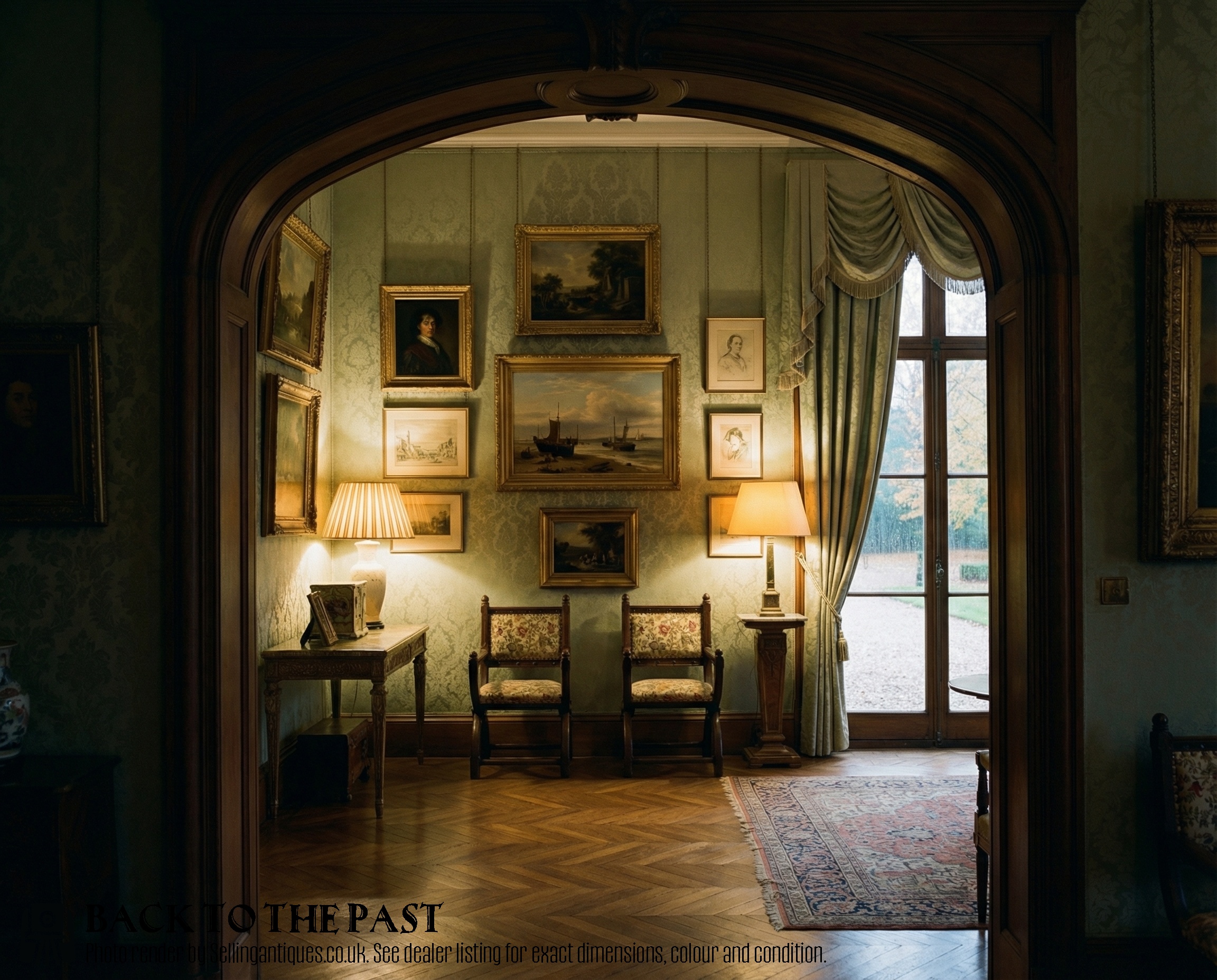
An x frame accent chair works effectively as a standalone piece in a hallway, library, or corner of a living room. Its distinctive structural base draws the eye, making it suitable for spaces needing a focal point.
Pairing the chair with a small side table or placing it near a desk allows the cross-frame silhouette to remain visible from multiple angles.
Are these chairs comfortable for daily seating?
Comfort depends on the specific upholstery and ergonomic design of each individual piece, as styles range from upright wooden side chairs to deep library armchairs. Many examples feature padded seats upholstered in leather, velvet, or fabric.
Upholstered versions with buttoning or supportive backrests provide softer support suitable for reading or relaxing in a drawing room.
How do I identify a Glastonbury chair?
A Glastonbury chair is recognised by its characteristic intersecting flat wooden members that form an X-shape from the front and sides. The arms are typically flat and downward-sloping, leading to a panel back.
Nineteenth-century interpretations often incorporate carved trefoil details and are constructed from oak or pitch pine.