







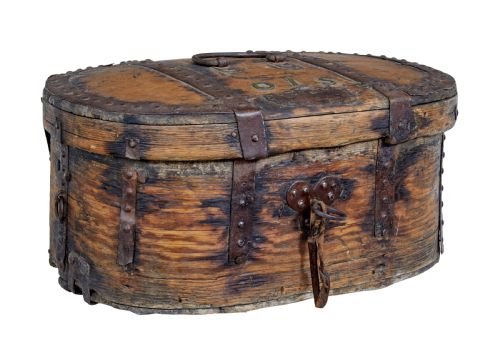

Wrought Iron Wooden Trunk
These wrought iron wooden trunk pieces combine timber construction with heavy metal mounts to create sturdy storage that travels through centuries.
Wrought Iron Wooden Trunk
A wrought iron wooden trunk serves as heavy-duty storage, bringing together timber bodies and iron reinforcement. When searching for a wrought iron wooden trunk, buyers encounter forms ranging from blanket chests to strongboxes and marriage coffers.
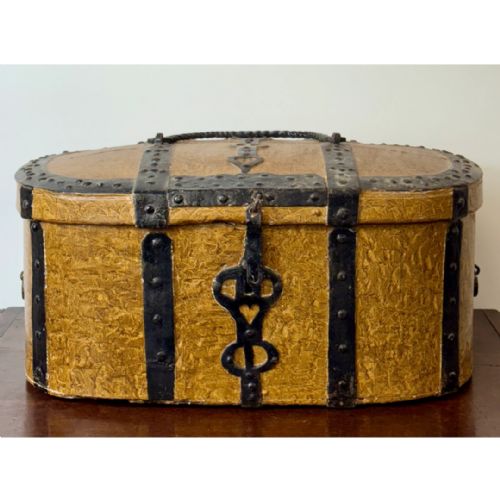
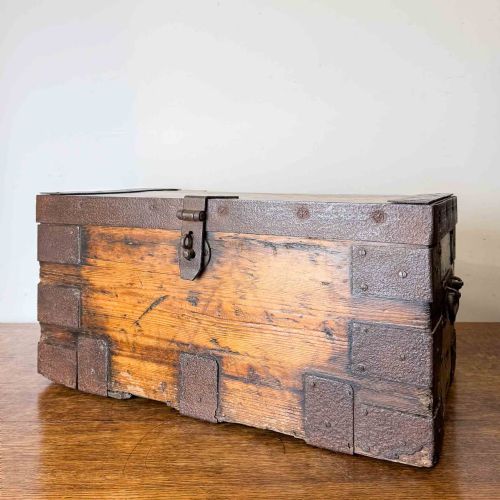
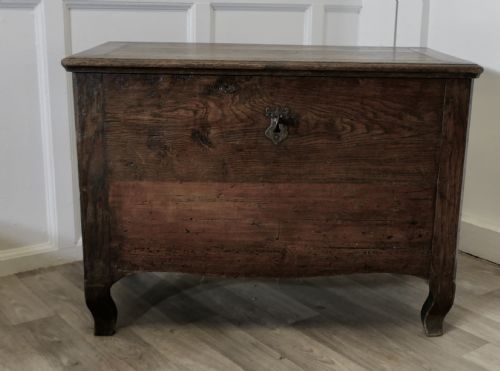
The pieces on this page span the 18th century to the early 20th century, drawing from Scandinavian, Spanish, French, and Georgian origins. Oak, pine, elm, and walnut form the wooden carcasses, while hand-forged iron straps and hasps secure the structure.
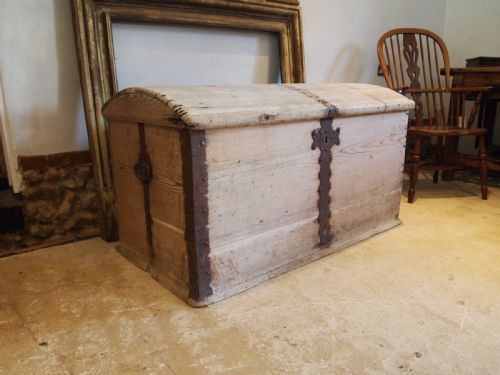
Regional styles dictate the visual character, shifting from rustic Scandinavian folk art and painted surfaces to austere Spanish baroque and French provincial joinery. The typical survival shows signs of working locks, side handles, and dome tops designed for practical utility.
How they were made
Joiners built the bodies from native timbers such as pine, oak, elm, and walnut, employing dovetail or pegged joints to withstand heavy use. Blacksmiths then forged wrought iron straps, hasps, and carrying hoops to reinforce the corners and lids against strain.
Surfaces frequently received layers of paint or retained natural grain, with some Scandinavian pieces featuring elaborate folk art decoration. Iron components relied on hand-hammered techniques, leaving visible tool marks that distinguish early metalwork from later industrial production.
Wrought Iron Wooden Trunk Retail Price Guide 2026
Typical asking prices for wrought iron wooden trunk among the pieces listed under this phrase on Sellingantiques today, from the lower quarter to the upper quarter. They describe what is for sale here now, not the wider market.
Cannonball boxes once stored heavy artillery ammunition before finding a second life as sturdy household storage.
What varies in quality
The grade of a piece depends on the integrity of its timber frame and the complexity of its ironwork. Original forged hinges, working locks with keys, and untouched surface paint elevate an example above one with replaced hardware or stripped boards.
Proportion and regional decoration also separate standard utility boxes from high-status marriage chests or baroque strongboxes. Retaining structural stability in the heavy timber walls remains central to the long-term character of each item.
The Wrought Iron Wooden Trunk Glossary
- Wrought iron
- Iron beaten into shape by hand while hot, producing a fibrous texture and uneven surface details. This material provides the structural strapping on strongboxes.
- Strongbox
- A secure container reinforced with metal bands, designed for transporting valuables or documents safely. These often feature complex internal locking mechanisms.
- Cofer
- An archaic spelling of coffer, denoting a large chest used for storing valuables or household goods. Many examples feature dome-shaped lids to shed water.
- Folk art
- Decorative items produced within a traditional community culture, often featuring hand-painted motifs and local pigments. Scandinavian pieces frequently display this characteristic.
- Hasps
- Fastening devices consisting of a slotted metal plate that fits over a staple and is secured with a pin or padlock. They form a key component of trunk security.
Wrought Iron Wooden Trunk: Frequently Asked Questions
How old are these trunks?
The pieces span from the early 18th century up to the early 20th century, with many examples originating in the 1700s and 1800s.
Specific dates depend on regional joinery styles, timber types, and the method used to forge the iron strapping.
Were these used for travel?
Many heavy chests and strongboxes served as travel containers for valuables, documents, or personal belongings across land and sea.
Side lifting handles and robust iron bindings were added precisely to withstand the rigours of transit.
How do I clean the wood?
Dust the surfaces gently with a dry, soft cloth to protect the original timber and any historic painted finishes.
Avoid modern chemical polishes or water, which can damage aged pine, oak, elm, or walnut.
Can I use them for storage?
These trunks provide practical storage space for blankets, linens, and household items in a modern room.
Ensure the interior environment remains dry to protect the historic timber and iron components from moisture.