



Wrought Iron Garden Planters
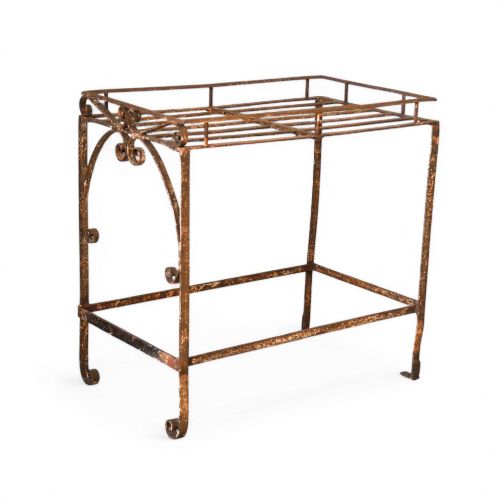
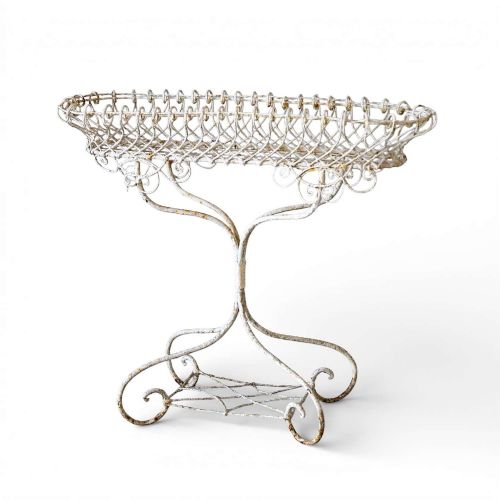
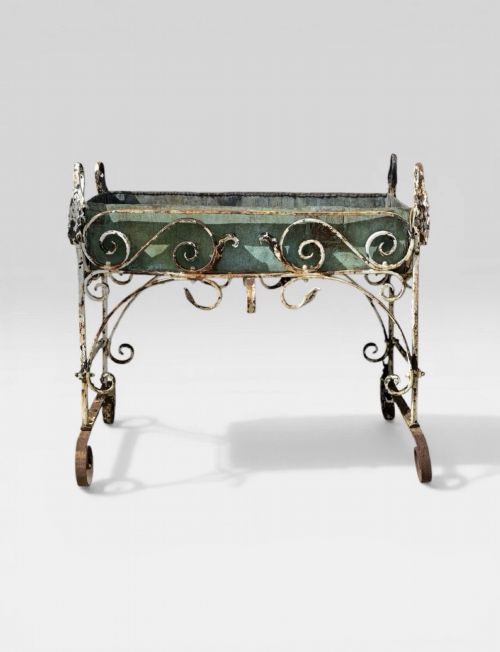
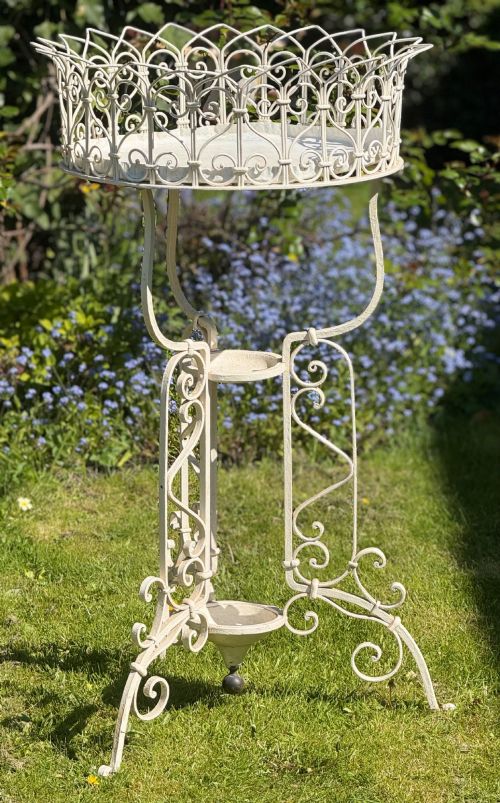
These wrought iron garden planters bring architectural heft and organic grace to terraces, built from enduring iron through 19th Century to mid-century periods.
Wrought Iron Garden Planters
Wrought iron garden planters encompass robust stands, window boxes, troughs, and urns designed to hold flora in domestic grounds and conservatories. When you search for wrought iron garden planters, you encounter functional vessels shaped by historic metalworking traditions.
The selection ranges from Georgian wirework plant stands and Victorian estate-made racks to French country planters and early 20th century window boxes. Many pieces combine structural iron frames with sheet metal, cast iron, or terracotta vessels to support greenery.
Originating across English and continental traditions, these pieces vary from rustic country house utility items to ornate scrollwork stands intended for prominent display. The forms respond directly to historical gardening practices, accommodating everything from climbing plants to potted arrangements.
What varies in quality
The sophistication of the blacksmith's scrollwork and the structural integrity of the frame define the upper tier of these pieces. Heavier gauge iron and complex lattice work indicate careful estate or workshop production.
Integration between the metal framework and companion vessels, such as fitted trays or complementary terracotta inserts, distinguishes standard utility pieces from finer decorative examples.
Current listings span the 19th Century, Georgian, Edwardian, Victorian, and 1950 periods, featuring wrought iron, cast iron, wirework, and terracotta.
The Wrought Iron Garden Planters Glossary
- Wrought iron
- A tough, malleable form of iron that blacksmiths heat and hammer into custom architectural and decorative shapes. It resists fatigue better than cast iron.
- Scrollwork
- Ornamental metalwork formed into spiral or curved scroll patterns. This technique provides both structural bracing and visual lightness.
- Jardiniere
- An ornamental pot or stand for holding plants or flowers. These vessels often sit raised on decorative legs or tiered frames.
- Wirework
- Metal construction utilising thick wire twisted and welded into geometric patterns or plant stands. It appears frequently in conservatory furnishings.
Wrought Iron Garden Planters: Frequently Asked Questions
How do I care for wrought iron outdoors?
Protect the metal surfaces with appropriate outdoor paint coatings to prevent rust accumulation during wet winter months.
Position planters on stable paved surfaces to avoid prolonged ground moisture contact with the base.
Can these planters stay outside all year?
Most historic iron and wirework pieces withstand outdoor conditions, though severe frost can crack associated terracotta inserts.
Store delicate wirework or painted vessels in sheltered garden rooms during harsh weather.
How do I date a garden planter?
Examine the construction marks, assembly methods, and metal gauge to distinguish Georgian and Victorian hand-forged work from later 20th-century pieces.
Style indicators such as Gothic arches or French country lines also help narrow the period.
Where should I place a plant stand?
Tiered stands suit conservatories, patios, and garden walls where they elevate greenery and create vertical focal points.
Ensure the ground is level to support heavy iron frames filled with damp soil.