


Antique Metal Garden Boxes
These antique metal garden boxes are robust planters and troughs shaped by time, offering enduring structure and character for terraces and grounds.
Antique Metal Garden Boxes
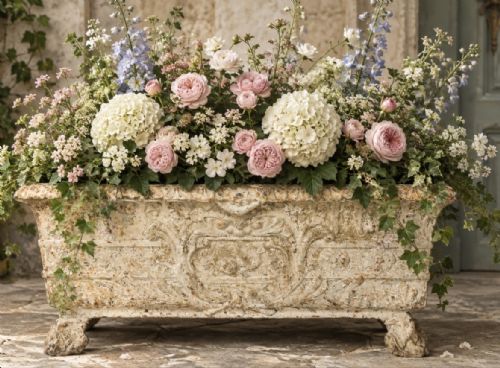
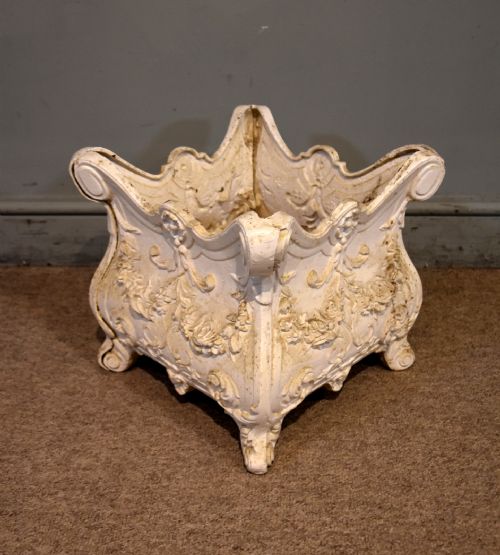
When you search for antique metal garden boxes, you find sturdy receptacles designed for planting and display across historical grounds and terraces. The selection ranges from robust troughs to ornate jardinieres, bird baths, and window boxes.
Most examples you meet on this page date from the nineteenth century or the Victorian period, alongside Georgian pieces and twentieth-century designs. Forms span from simple sheet iron containers to substantial cast iron and lead structures.
Makers and foundries utilised resilient materials to withstand the elements, resulting in surviving pieces that retain their architectural presence outdoors. Buyers encounter both single vessels and balanced pairs suited for formal garden layouts.
Methods and materials of construction
Foundries cast molten iron into detailed moulds to create decorative planters with crisp relief and heavy walls. Wrought iron pieces rely on hand-forged strapwork and joined sections, demonstrating traditional blacksmithing skill.
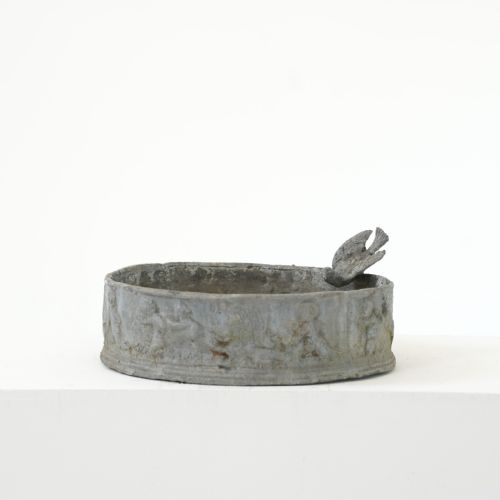
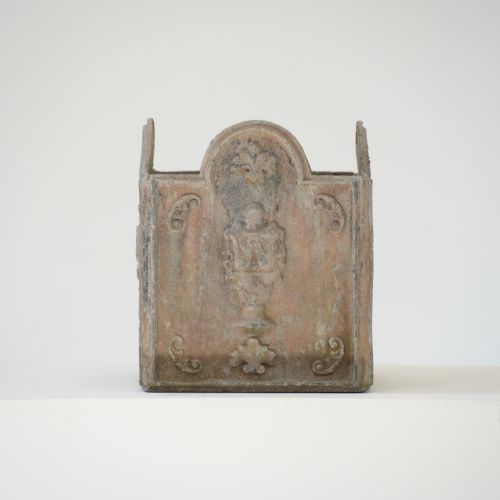
Lead planters take advantage of the metal's malleability and durability, often featuring cast or soldered panels with subtle surface textures. Many surfaces retain layers of historic paint or weathered patination acquired through decades of exposure.
Some lead planters doubled as bird baths, offering feathered visitors a stately spot for a wash.
Distinctions in quality and execution
Superior pieces display fine casting detail and thoughtful proportions, whereas lesser items show coarse finishing and heavy, uninspired mass. The distinction lies in the crispness of decorative motifs and the harmony of the overall silhouette.
Original pairs carry greater architectural weight than assembled matches, preserving identical casting marks and symmetrical wear patterns. The integrity of the structure and the depth of surface patination further separate standard vessels from exceptional survivals.
Coalbrookdale
The Antique Metal Garden Boxes Glossary
- Strapwork
- Flat bands of wrought iron arranged in geometric or interlaced patterns across the body of a planter. This technique provides structural rigidity while adding ornamental detail.
- Jardinieres
- Large ornamental pots or boxes designed specifically to hold growing plants and flowers. They often sit on low bases or plummets within formal gardens or conservatories.
- Patina
- The surface alteration and mellowing of metal caused by age, weathering, and paint accumulation. It serves as a visual indicator of a piece's history and authenticity.
- Window boxes
- Long, rectangular troughs mounted beneath windows or along low masonry walls. These items allow for shallow planting directly against the architecture of a building.
Antique Metal Garden Boxes: Frequently Asked Questions
What plants suit antique metal boxes?
These vessels accommodate hardy shrubs, box balls, and seasonal floral displays that complement the heavy industrial materials.
Lined internal pots are often utilised to protect the historic metalwork from damp soil and continuous moisture.
How do I maintain outdoor metal planters?
Regular checks for standing water prevent internal pressure during freezing winter conditions, protecting the structural integrity.
Gentle cleaning removes debris without disturbing the historic patinated surface or surviving layers of early paint.
Can these boxes stay outside all year?
Cast iron, lead, and wrought iron specimens endure seasonal weather changes well due to their inherently weather-resistant properties.
Elevating the base slightly on bricks or feet ensures proper drainage and prevents moisture retention underneath.
How do I date a metal planter?
Stylistic clues such as Victorian neoclassical motifs or Georgian proportions help assign pieces to specific historical centuries.
Manufacturing techniques like hand-forged strapwork versus heavy iron casting also point toward distinct production eras.