
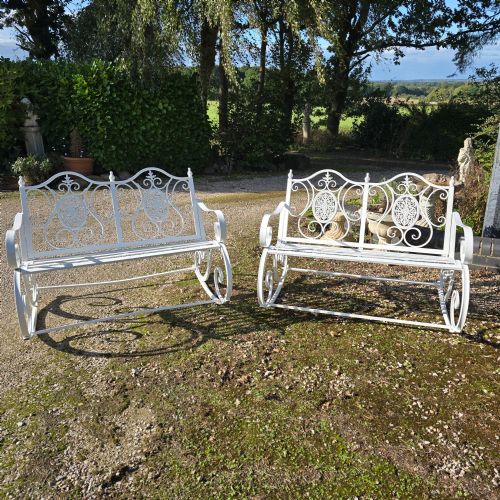
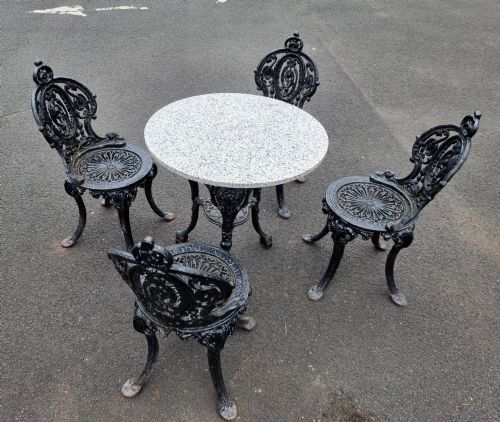
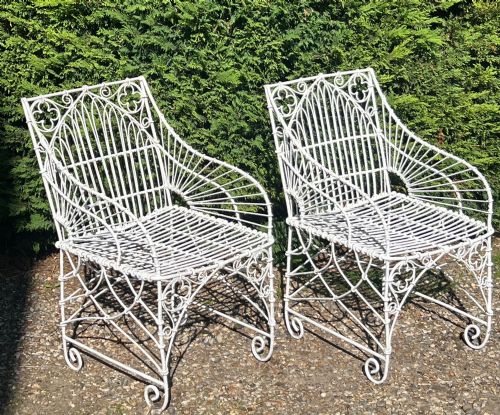
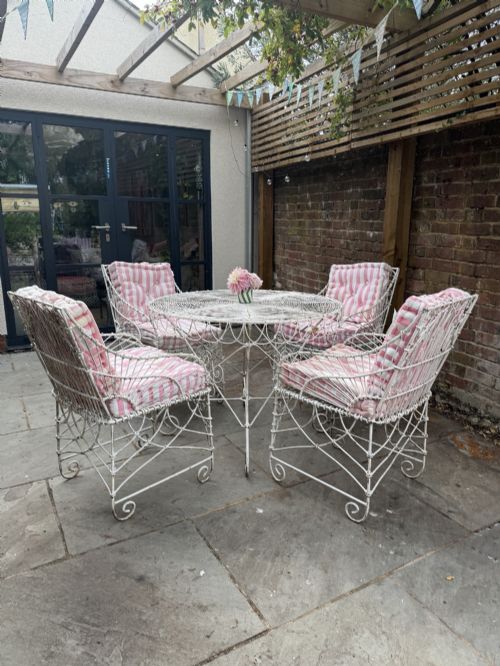



Wrought Iron Garden Chairs
These wrought iron garden chairs bring enduring structure to lawns and terraces, offering robust seating shaped by nineteenth and early twentieth-century hands.
Wrought Iron Garden Chairs
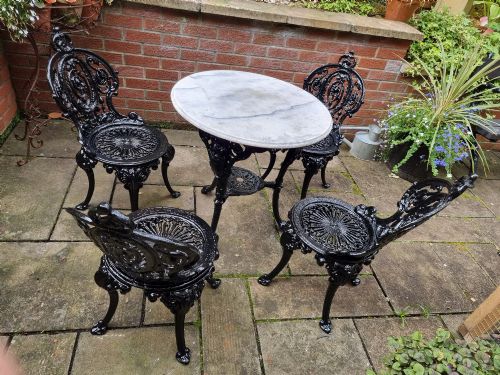
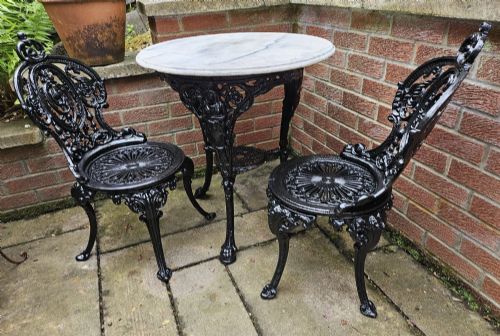
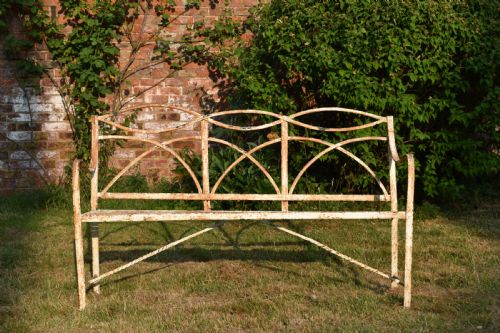
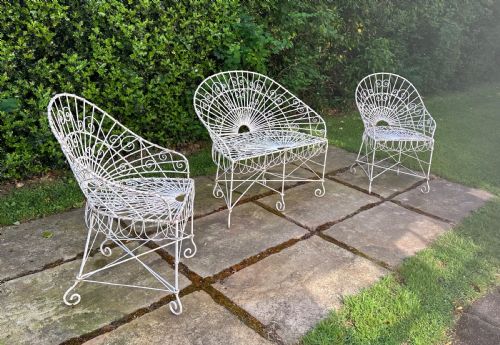
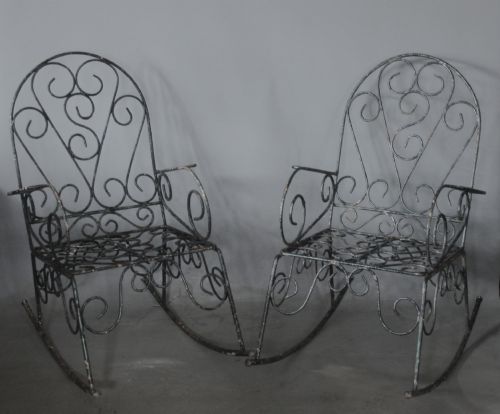
When you search for wrought iron garden chairs, you find practical seating designed to withstand outdoor elements through varying historical periods. These pieces range from simple single chairs to pairs of armchairs, rocking chairs, and larger sets including tables.
The selection on this page centres heavily on French designs from the early twentieth century alongside nineteenth-century examples. You will frequently encounter folding chairs, bistro pieces, and robust armchairs associated with continental styles.
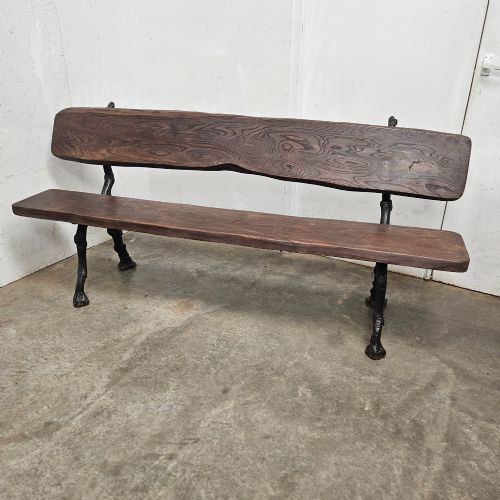
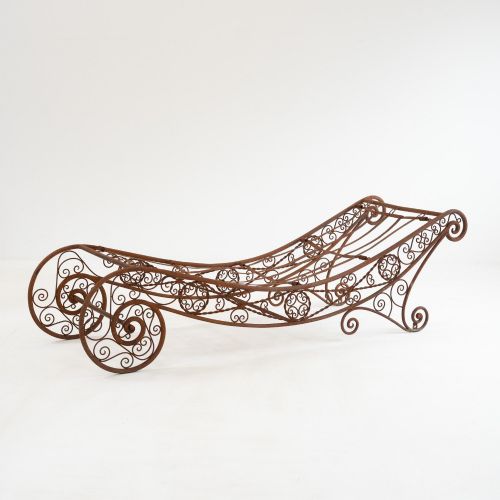
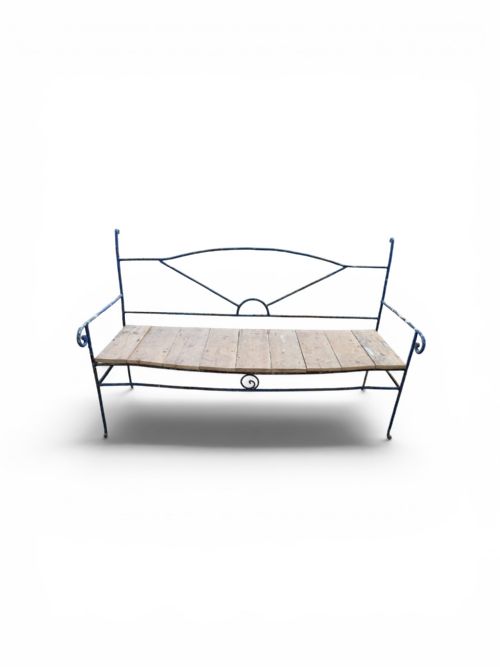
Beyond standard seating, the broader category encompasses garden benches, daybeds, and wirework variations. These diverse forms share a foundation of heavy metal construction meant for permanent placement in open air.
How they were made
Blacksmiths shaped wrought iron and cast iron by hand or in early foundries, hammering and bending metal bars into supportive frames and decorative scrollwork. Rivets, bolts, and welds secured the structural joints to hold heavy loads outdoors.
Many items combine iron frames with supplementary materials such as wooden slats, marble tops, zinc surfaces, or woven wirework. Protective layers of paint historically guarded the underlying metal against rust, though surfaces now display natural weathering.
The listings combine sturdy nineteenth-century framework with lighter early twentieth-century French folding designs, incorporating wood, wirework, and marble.
What varies in quality
The distinction between standard utility seating and finer examples lies in the weight of the metal and the complexity of the forging. Heavier gauge iron and intricate strapwork or lattice designs indicate superior workshop production.
Original matching sets and intact folding mechanisms elevate the desirability of individual chairs. Evidence of early French provenance and well-preserved structural integrity separate utilitarian yard furniture from decorative antique pieces.
The Wrought Iron Garden Chairs Glossary
- Wrought iron
- Tough, malleable iron beaten into shape by a smith while hot. This material allows for slender, strong structural lines that resist snapping.
- Cast iron
- Molten iron poured into a mould to create rigid components. It offers ornate decorative detail but tends to be more brittle than forged metal.
- Strapwork
- Flat strips of metal interwoven or applied in geometric patterns. This technique provides both structural bracing and decorative surface rhythm.
- Wirework
- Thin metal strands woven into intricate mesh or scroll designs. It creates lighter, permeable garden furniture suited to nineteenth-century lawns.
- Faux bois
- Imitation of wood grain rendered in concrete, metal, or plaster. In garden seating, metal frames occasionally mimic natural branches.
Wrought Iron Garden Chairs: Frequently Asked Questions
How do I protect antique garden chairs?
Keep them under cover during wet winter months to limit moisture accumulation. Applying gentle protective wax or breathable sealants helps preserve existing paint.
Avoid leaving them directly on damp soil where moisture rises continuously. Elevating the feet slightly on stone paving prevents unnecessary base corrosion.
Are these chairs comfortable to sit on?
Metal seating is rigid, so most users add loose squabs or fabric cushions for prolonged lounging. The ergonomic curvature of armchairs and rocking chairs offers natural support without padding.
Lattice and wirework designs distribute weight evenly across the seat base. Pairing them with matching benches or daybeds provides varied seating options for outdoor dining.
Can I leave them outside all year?
Historic iron tolerates outdoor placement, but continuous rain accelerates oxidation and paint flaking. Storing them in a shed or greenhouse during freezing weather extends their lifespan significantly.
Regular inspection prevents small rust spots from compromising structural joints. Gentle cleaning removes seasonal debris and prevents moisture trapping.
How do I identify French garden furniture?
Continental pieces frequently feature lightweight folding mechanisms designed for easy storage in French courtyards. Specific regional styles like French Riviera or Gothic Revival exhibit distinct decorative ironwork patterns.
Proportions tend to be slender and elegant compared to heavier domestic equivalents. Surviving traces of original pale paintwork often point toward nineteenth and early twentieth-century French workshops.