
Vintage Iron Garden Furniture
Vintage iron garden furniture brings lasting character to outdoor spaces through heavy cast and wrought metal benches, tables, and sets.
Vintage Iron Garden Furniture
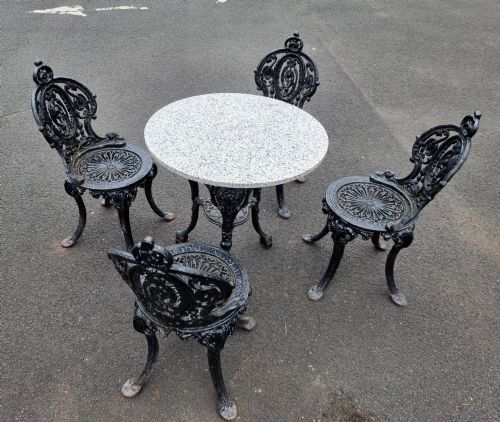
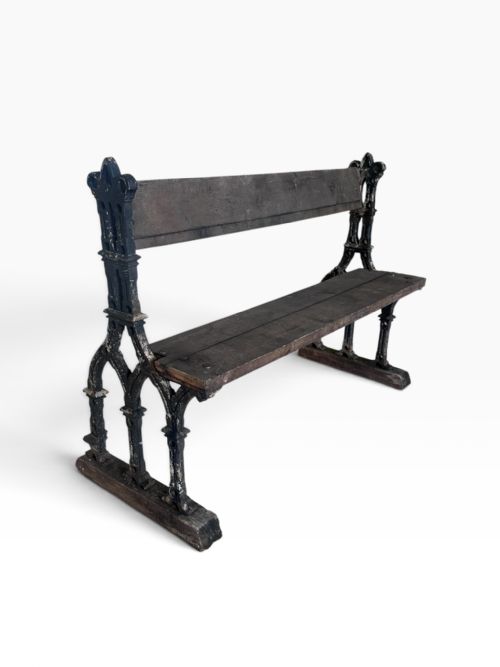
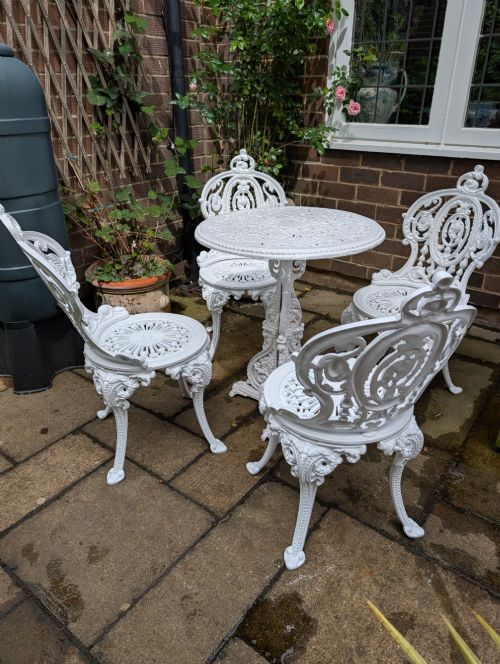
Vintage iron garden furniture comprises seating, tables, and decorative accents designed for outdoor use, drawing from nineteenth-century and twentieth-century traditions. Buyers seeking vintage iron garden furniture encounter heavy cast-iron benches, bistro sets, and dining tables shaped by Victorian, Gothic, French Country, and Regency aesthetics.
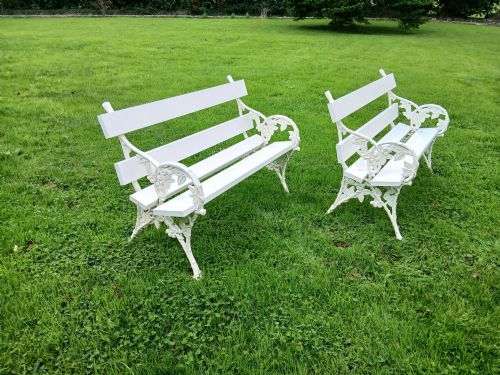
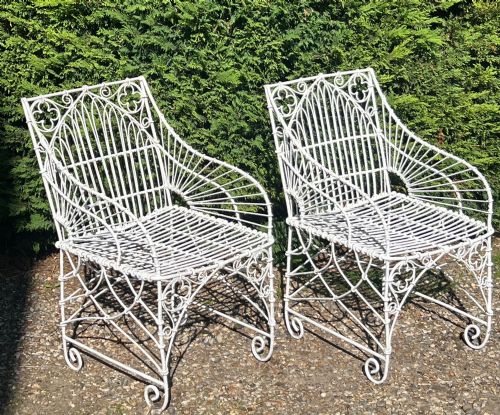
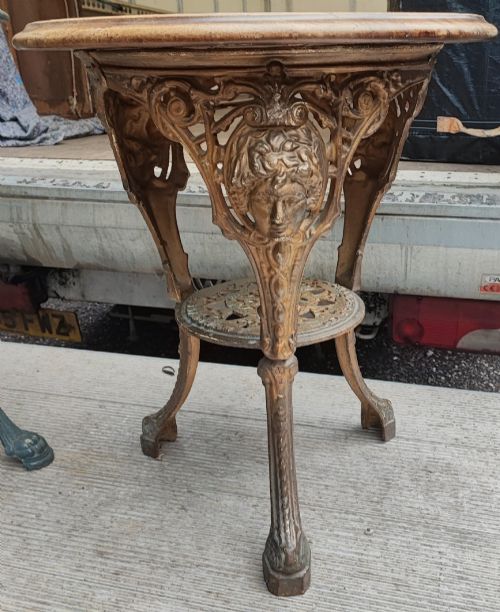
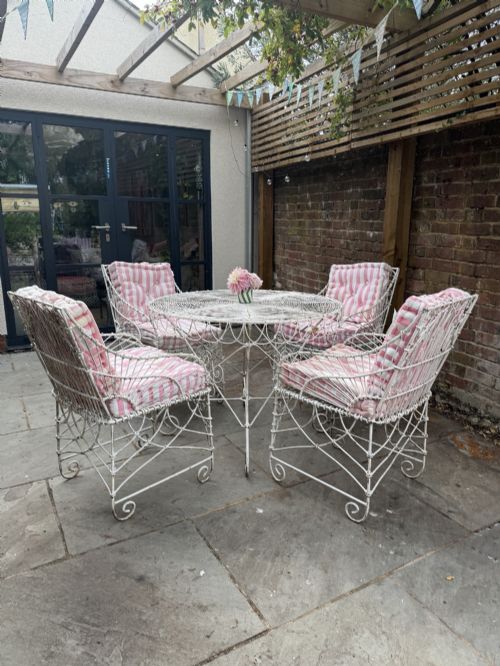
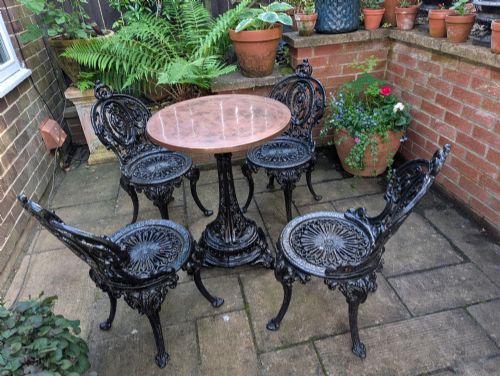
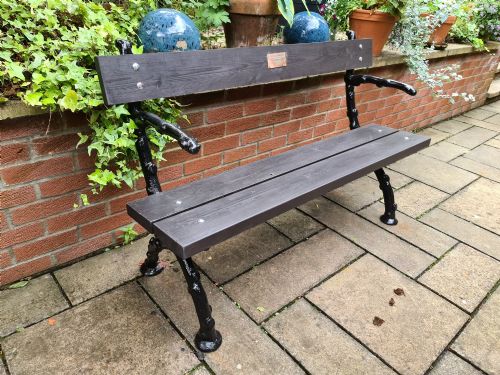
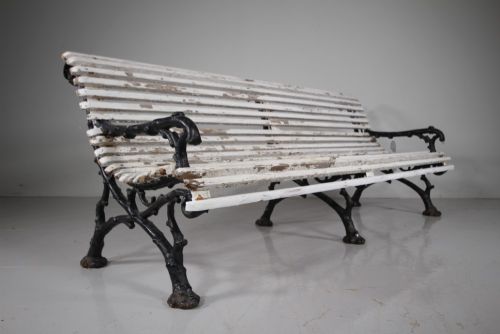
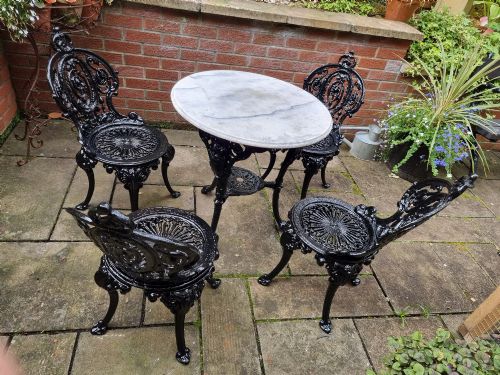
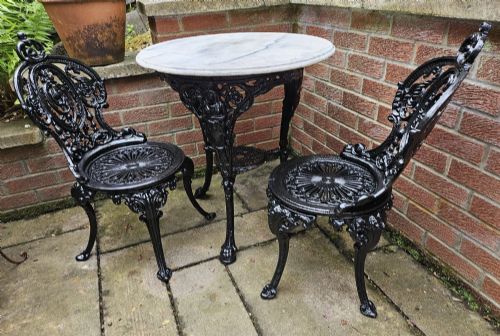
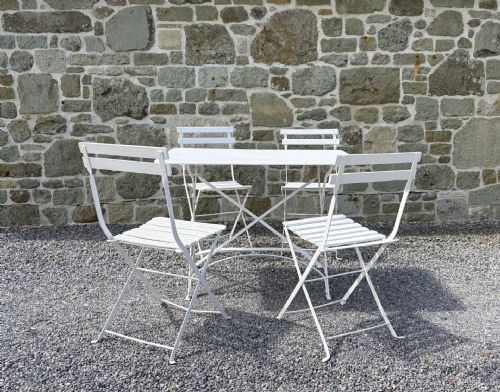
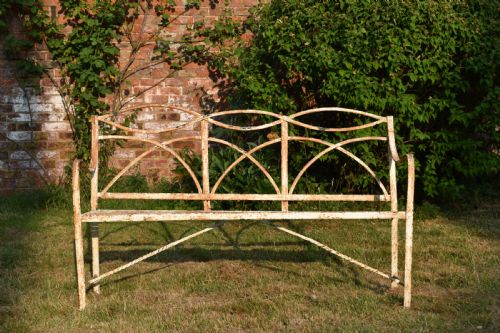
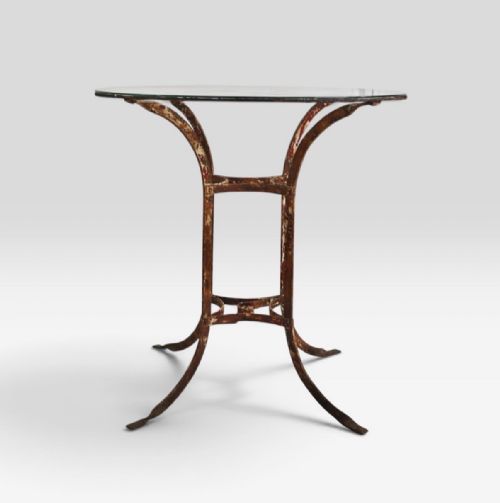
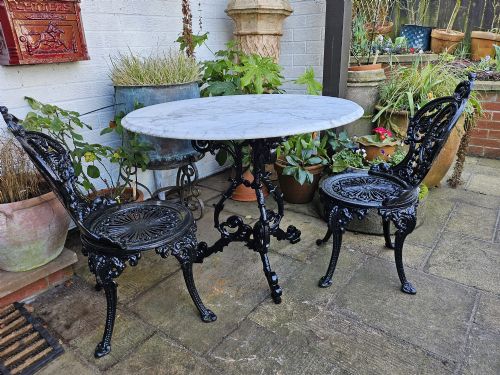
The pieces on this page range from nineteenth-century Victorian park benches and rustic fern patterns to mid-century bistro sets and French metal seating. Common forms include garden benches, tables with marble or timber tops, plant stands, and matching chair sets originating from English and French makers.
Makers and foundries of the period produced robust outdoor furnishings utilising durable metals, often incorporating intricate plant motifs, strapwork, and architectural influences. These items function practically in modern gardens while retaining the substantial weight and decorative detail of their original eras.
What varies in quality
Quality in these items depends upon the crispness of the casting detail and the reputation of the foundry behind the piece. Foundries known for distinct pattern registration, such as Coalbrookdale or Falkirk Carron, produce work with sharper botanical motifs and deeper relief than anonymous workshops.
The integrity of the original material separation also dictates standard, where heavier cast sections and intact structural joins outweigh later replacements of wooden slats or marble tops.
Falkirk Carron Foundry·Christopher Dresser·Coalbrookdale
The Vintage Iron Garden Furniture Glossary
- Cast iron
- A strong, heavy alloy poured into moulds to create rigid forms with detailed surface relief. This material defines the structure of heavy Victorian benches and table bases.
- Wrought iron
- Iron beaten and heated into shape by a blacksmith rather than poured into a mould. This technique creates flexible, durable strapwork and scroll designs.
- Faux bois
- A decorative technique mimicking the texture and appearance of natural wood grain. Foundries applied this style to cast iron garden benches to resemble rustic timber branches.
- Strapwork
- Flat bands of metal interwoven or arranged in geometric patterns. This decorative style appears frequently on Regency garden benches and chairs.
- Bistro set
- A small table paired with two matching chairs designed for compact outdoor spaces. These sets frequently combine cast-iron bases with marble or metal tops.
Vintage Iron Garden Furniture: Frequently Asked Questions
How do I protect my iron furniture outdoors?
Keep the metal coated with appropriate outdoor paint to prevent rust accumulation from rain and dampness.
Store the pieces under cover during harsh winter months or use breathable protective covers.
How can I tell a Victorian bench from later pieces?
Examine the weight, bolt construction, and depth of the casting detail on the iron frame.
Nineteenth-century pieces typically feature heavier castings and distinct foundry registry marks.
Can marble-topped tables stay outside all year?
Marble surfaces withstand normal weather conditions but remain vulnerable to frost cracking if water freezes within porous stone fissures.
Move marble tables indoors or under shelter during freezing winter weather.
What is the difference between cast and wrought iron?
Cast iron involves pouring molten metal into moulds, resulting in heavy, rigid components with raised decorative patterns.
Wrought iron is hammered into shape, producing lighter, more flexible structures with smooth lines.