
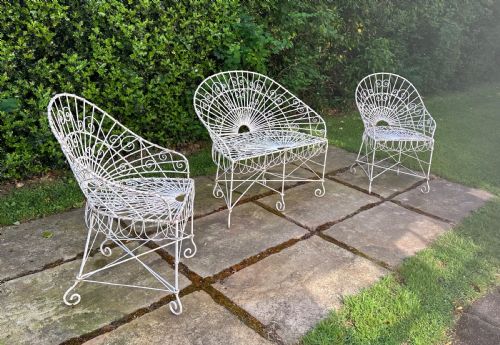
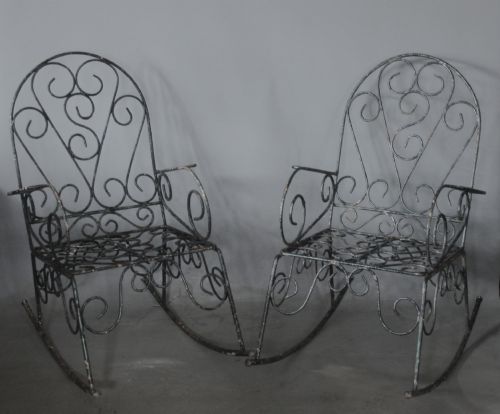

Victorian Wrought Iron Chairs
Victorian wrought iron chairs bring robust outdoor seating and enduring character to terraces, lawns, and conservatories.
Victorian Wrought Iron Chairs
Victorian wrought iron chairs encompass robust outdoor seating forged in iron, often featuring associated styles like Gothic Revival and wirework. These garden pieces appear alongside sets, benches, and daybeds spanning the nineteenth century and subsequent revival periods.
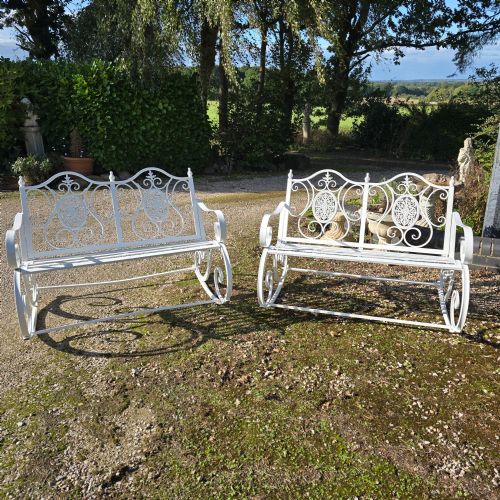
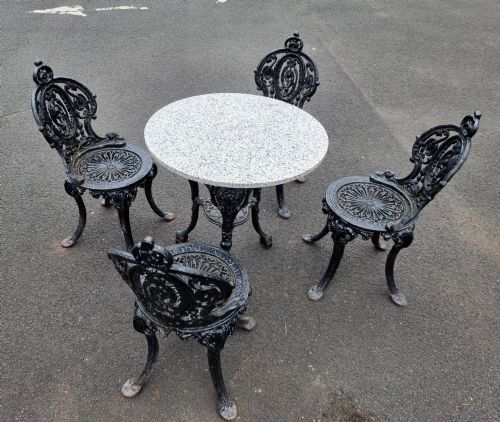
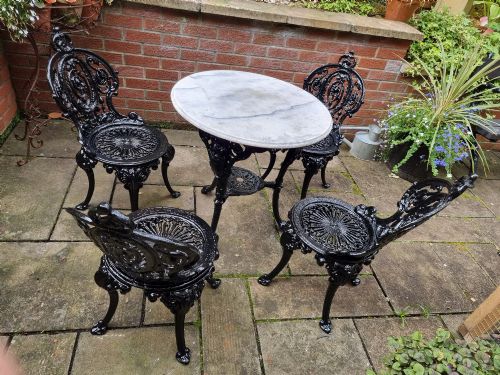
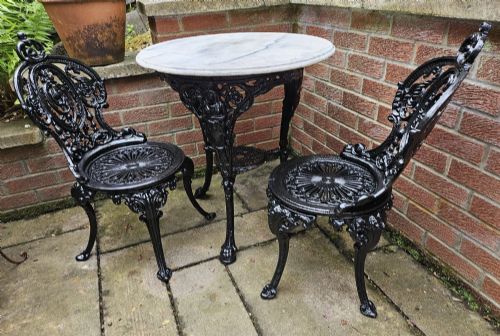
Buyers encountering this search phrase frequently meet sturdy garden chairs and matching sets constructed from iron or cast iron. The selections range from single rocking chairs and bistro tables to elaborate sets equipped with marble tops.
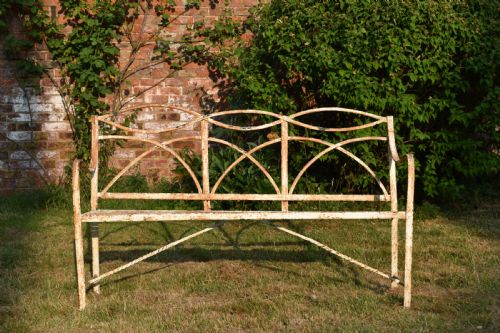
Origin details in the evidence extend across French country designs and Regency strapwork influences. Such variations highlight the broad spectrum of outdoor furniture grouped under nineteenth-century and early twentieth-century production.
Materials and construction
Makers utilised resilient metals including wrought iron and cast iron to shape durable frames for garden use. Additional surface textures and finishes incorporate applied paint, while select table iterations feature heavy marble or granite surfaces.
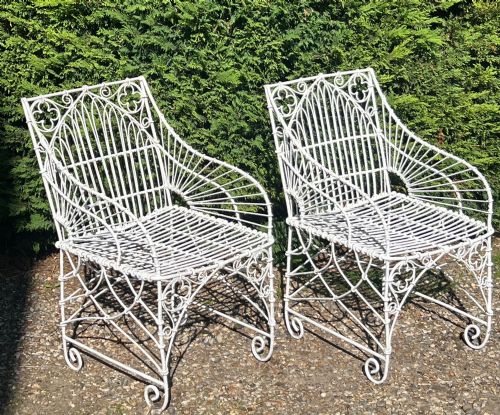
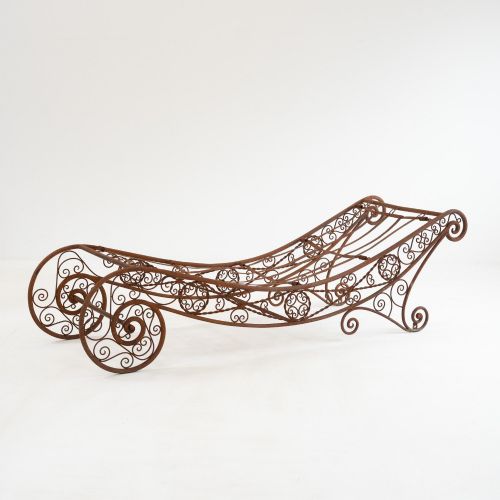
Intricate wirework techniques define specialised seating and tables, contrasting with heavier strapwork and cast elements. These methods allowed artisans to balance structural weight with decorative forms suitable for exterior display.
Current site listings incorporate periods from the Regency era through to nineteen-thirty, utilising wrought iron, cast iron, wirework, marble, and granite.
Assessing quality and construction
Distinctions in quality rest upon the subtlety of the ironwork and the integrity of the original form. Heavier cast components and refined strapwork demonstrate superior execution compared to simpler, utilitarian alternatives.
The integration of decorative elements, such as Gothic Revival motifs or complex wirework, elevates certain pieces above standard garden furniture. Preservation of original painted surfaces and intact stone tops further differentiates higher-grade examples.
The Victorian Wrought Iron Chairs Glossary
- Wrought iron
- Tough, malleable iron beaten or rolled into shape while hot. This material provides the strong framework essential for durable outdoor seating.
- Cast iron
- Iron poured into a mould to create complex decorative shapes. It forms the heavy bases and detailed frames common in garden tables and chairs.
- Gothic Revival
- An architectural and decorative style drawing on medieval pointed arches and vertical lines. It frequently inspires the pointed silhouettes seen on nineteenth-century garden chairs.
- Wirework
- Metal strands bent and joined to form lightweight, open-pattern furniture. This technique creates intricate scrollwork tables and chairs typical of the period.
- Strapwork
- Flat bands of metal arranged in geometric or interlaced patterns. Regency and Victorian benches often utilise this technique for backrests and seats.
Victorian Wrought Iron Chairs: Frequently Asked Questions
How do I care for iron garden chairs?
Keep the metal protected from prolonged moisture exposure to prevent rust accumulation. Regular cleaning and careful application of protective paint layers maintain the condition of the iron.
Store the furniture under cover during harsh winter months to preserve the structural integrity of the frames and any attached stone components.
Are these chairs suitable for indoor use?
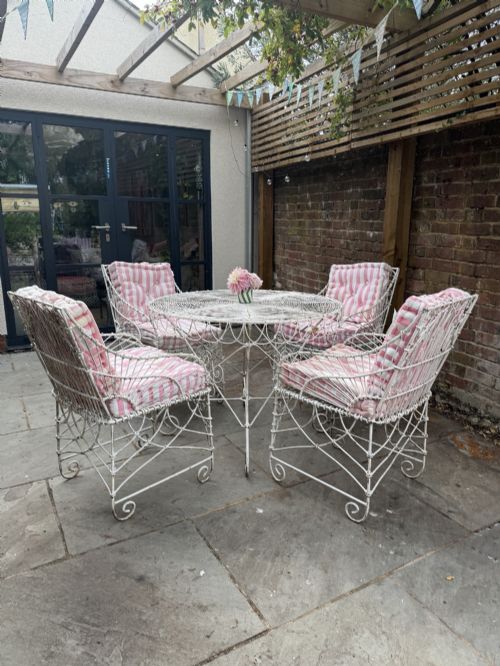
These robust iron pieces adapt easily to interior spaces such as conservatories, sunrooms, and large hallways. Their ornate frames bring architectural presence and texture inside the home.
Pairing them with fitted cushions softens the rigid metal seats for comfortable daily living.
How do I distinguish wirework from standard iron?
Wirework construction relies on multiple thin metal strands shaped into open, skeletal patterns rather than solid cast or forged bars. This method creates a lighter, more permeable appearance.
Traditional cast and wrought iron pieces utilise heavier structural members to support weight without bending.
What periods do these chairs represent?
The available pieces span the nineteenth century, the Regency era, and later revival periods extending into the early twentieth century. Each period introduces distinct decorative nuances to the basic iron frame.
Design influences range from French country aesthetics to Gothic Revival architectural motifs.