
Woven Wall Textile
These woven wall textile examples bring centuries of nomadic and European textile artistry directly into your interior.
Woven Wall Textile
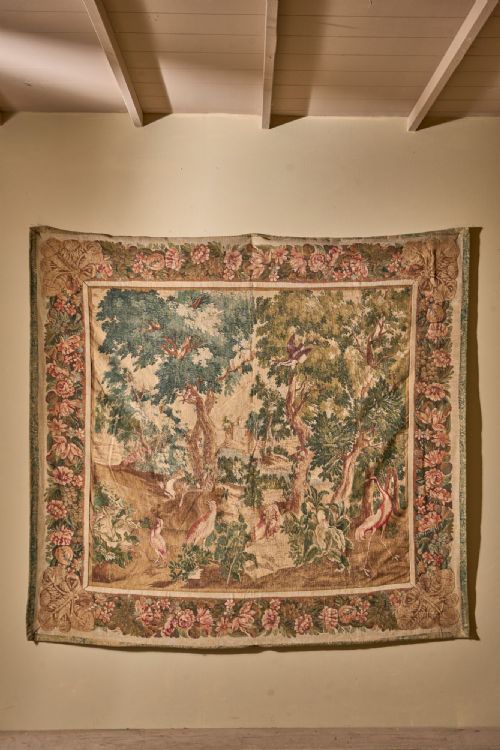
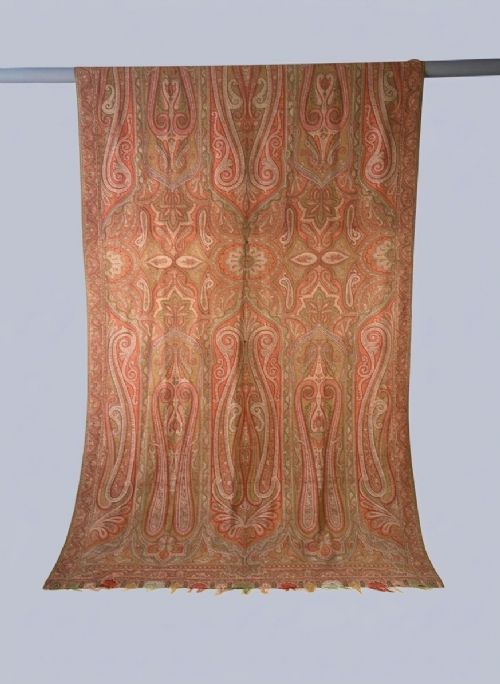
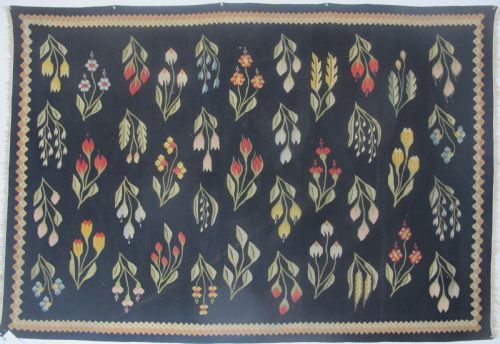
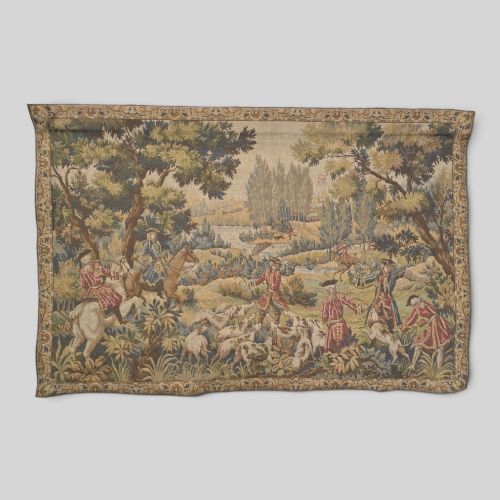
A woven wall textile encompasses a diverse range of historic formats, from tribal bagfaces and saddle covers to large European verdure tapestries. When exploring this phrase, collectors encounter pieces originating from Persian and Turkmen nomadic groups alongside French and Romanian workshops.
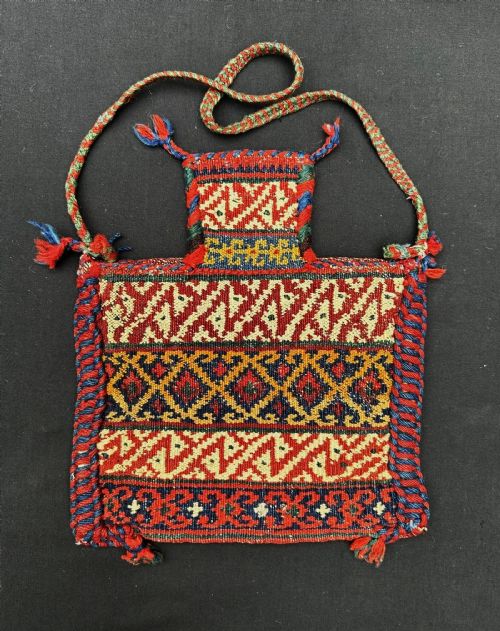
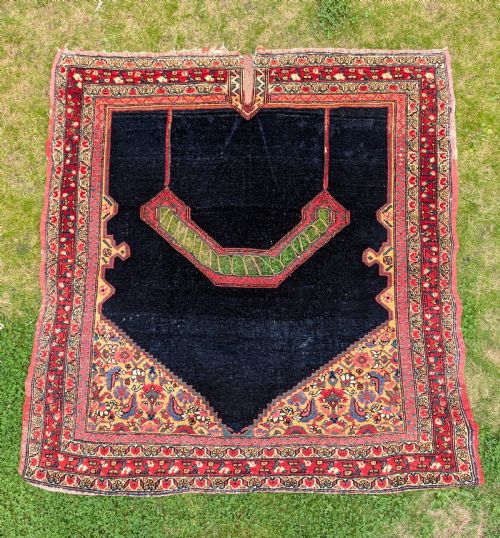
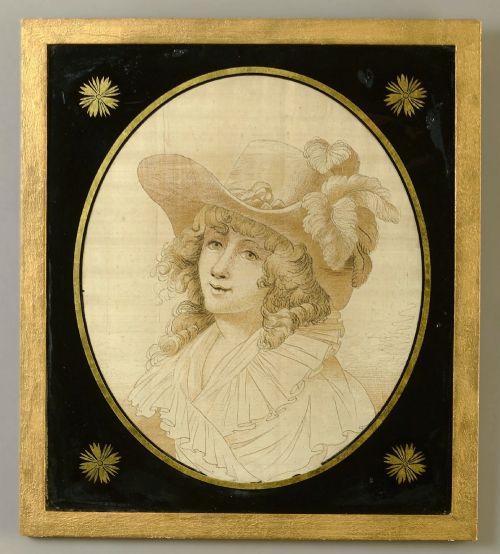
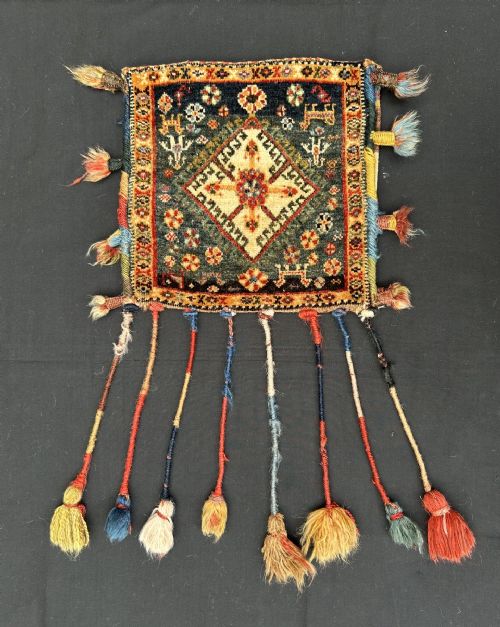
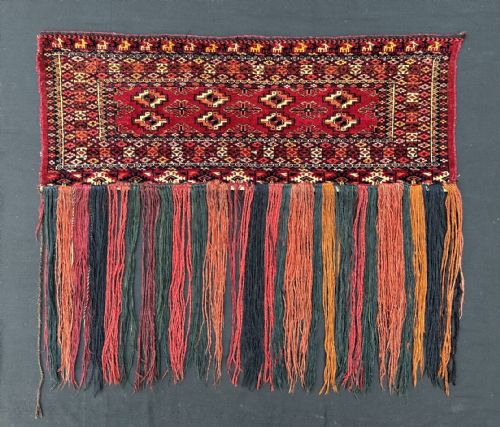
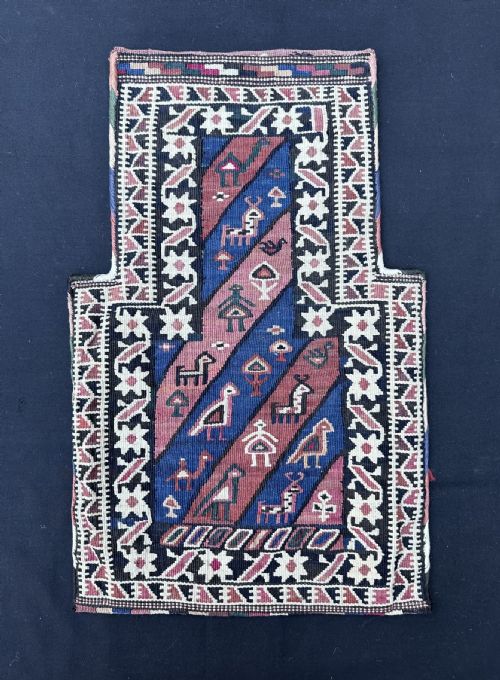
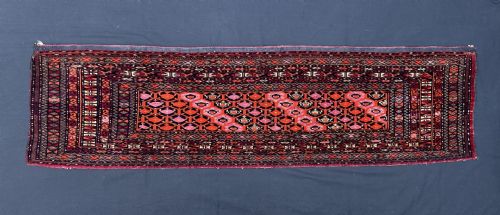
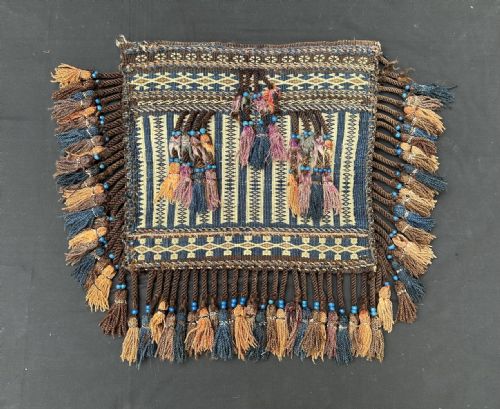
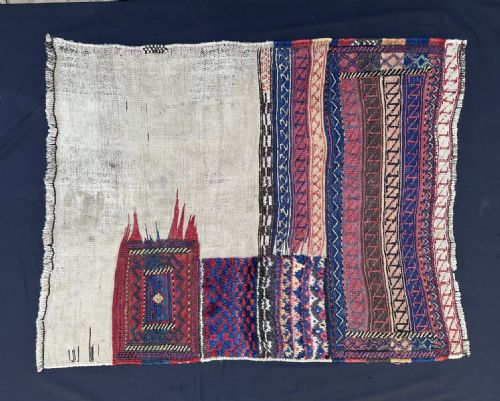
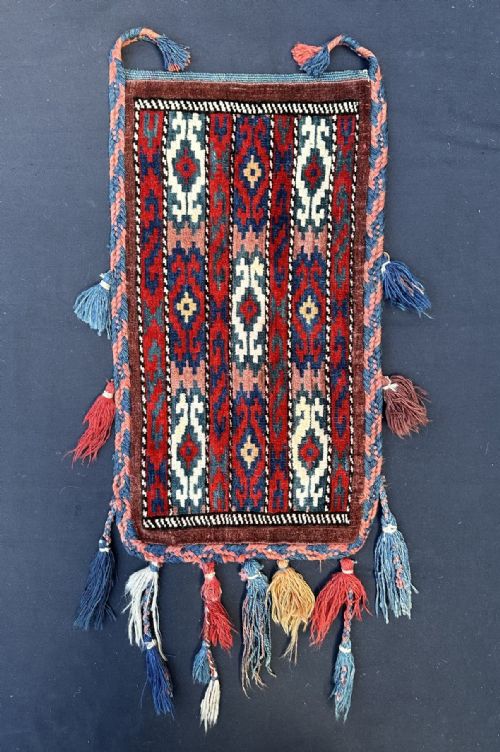
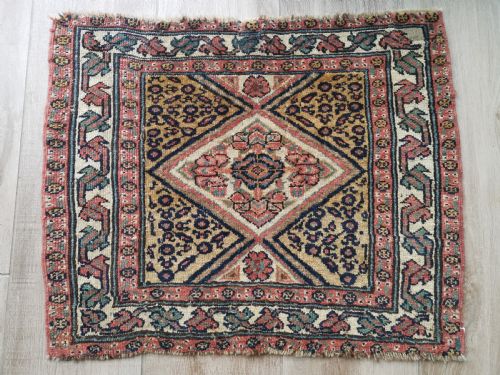
The selection on this page leans heavily into tribal weavings, including Yomut, Qashqa'i, and Afshar pieces, alongside framed fragments and full-scale wall hangings. These items functioned originally as utilitarian objects, horse blankets, or domestic storage before transitioning into decorative wall display.
Spanning periods from the eighteenth century through the early twentieth century, the inventory bridges vernacular nomadic craft and formal European interior decoration.
Markers of distinction
Quality rests in the integrity of the weave, the clarity of the natural dyes, and the survival of original components such as tassels and borders. Tribal weavings demonstrate mastery through tight knotting and balanced tribal motifs.
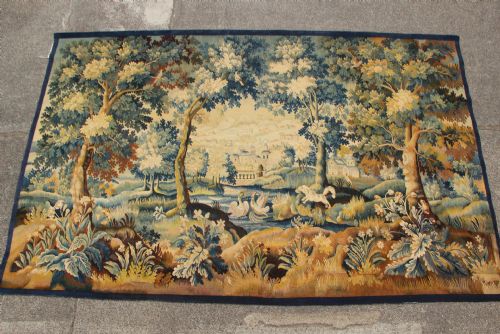
European tapestries derive their distinction from pictorial depth, the subtlety of the verdure foliage, and the preservation of the textile fabric against age-related wear.
Several textiles began their service life strapped to the flank of a camel or horse before earning a permanent retirement upon a quiet parlour wall.
The Woven Wall Textile Glossary
- Verdure tapestry
- A European wall hanging featuring a stylized landscape or garden scene dominated by foliage and trees. These panels often incorporated muted green and blue tones.
- Asmalyk
- A pentagonal trapping produced by Yomut Turkmen tribes, traditionally hung on the flank of a ceremonial camel during wedding processions.
- Bagface
- The decorative front portion of a nomadic storage bag, separated from the plain back panel for display purposes. They display concentrated tribal iconography.
- Jollar
- A long, horizontal tent-hanging produced by Turkmen tribes, utilised for interior storage and decoration within a yurt.
- Needlework tapestry
- A textile created by stitching wool or silk threads through an existing canvas or linen foundation rather than forming the design on a loom.
Woven Wall Textile: Frequently Asked Questions
How were tribal textiles used originally?
Nomadic groups utilised these woven pieces for practical storage, animal trappings, and household organisation across Persia and Central Asia. Items functioned as salt bags, saddle covers, and horse blankets during daily migrations.
Over time, these utilitarian objects gained appreciation for their distinct tribal iconography and dense wool construction, leading to their preservation as decorative wall art.
Where do European verdure tapestries originate?
European verdure tapestries emerge primarily from historic weaving centres in France and Flanders during the eighteenth century. Workshops in locations such as Aubusson produced large landscape panels depicting lush foliage and natural scenes.
These pieces served to insulate stone walls in grand homes while demonstrating the wealth and refined taste of the owner.
How do I identify Turkmen tribal pieces?
Turkmen pieces, including Yomut and Ersari works, are characterised by deep madder-red dye grounds and repeating geometric guls. These designs reflect specific tribal lineages and regional identities from Central Asia.
Look for dense wool construction and traditional formats like asmalyks, kapsing, and uk bash designed for specific nomadic functions.
Can antique textiles be hung safely?
Hanging antique textiles requires distributing the weight evenly across the entire upper edge to prevent stress on the historic fibres. Methods often involve stitching a supporting cotton sleeve or attaching a mounting strip to the reverse.
Direct exposure to strong sunlight should be avoided to protect natural dyes from fading over time.