
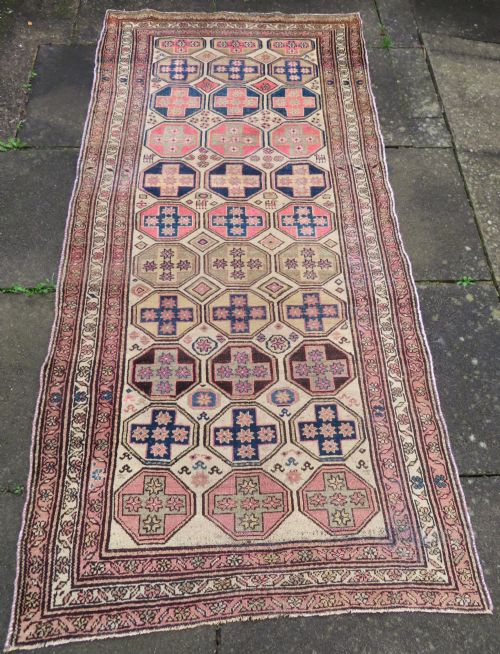

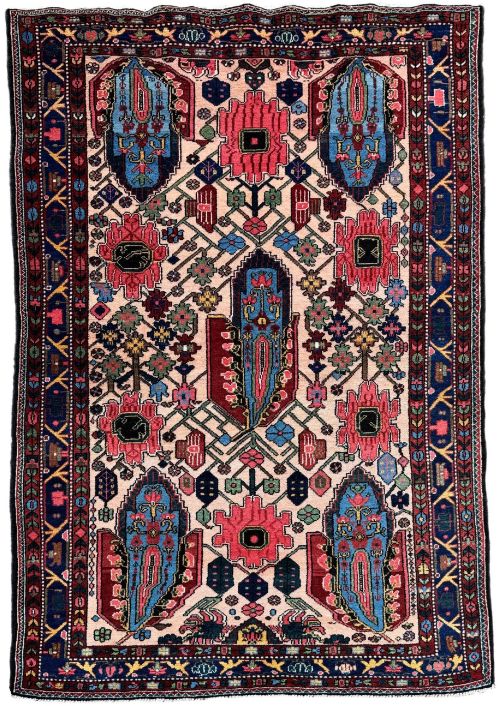
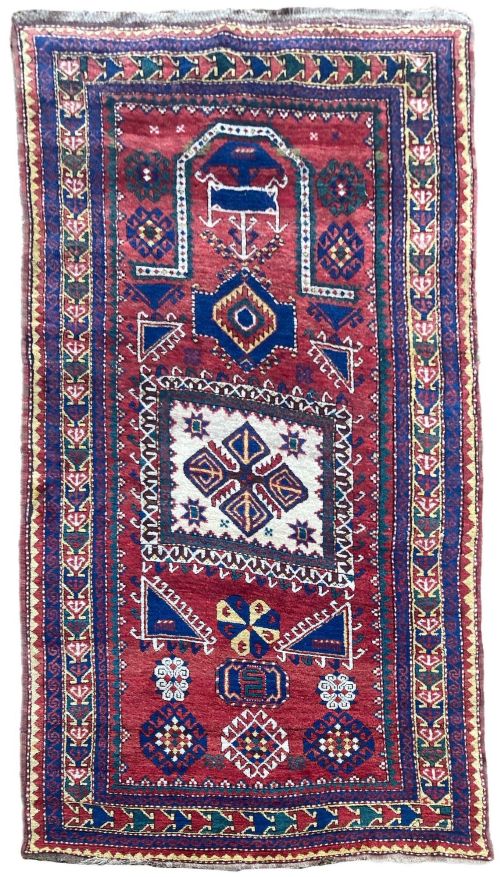
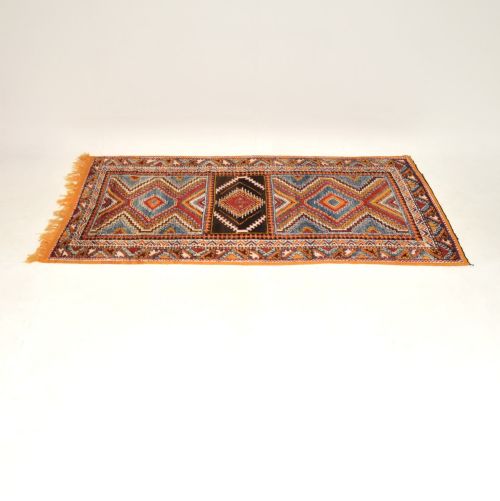
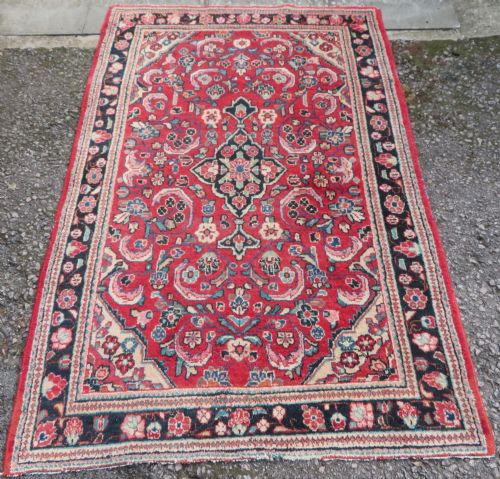

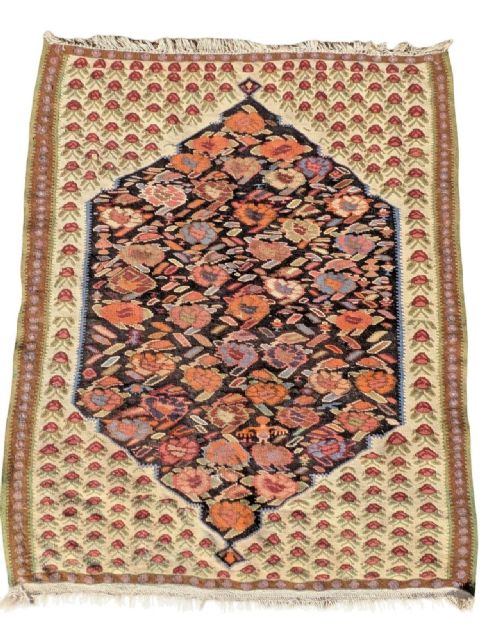
Woven Runner Rug
A woven runner rug brings centuries of tribal artistry and regional craftsmanship directly to narrow hallways and long corridors.
Woven Runner Rug
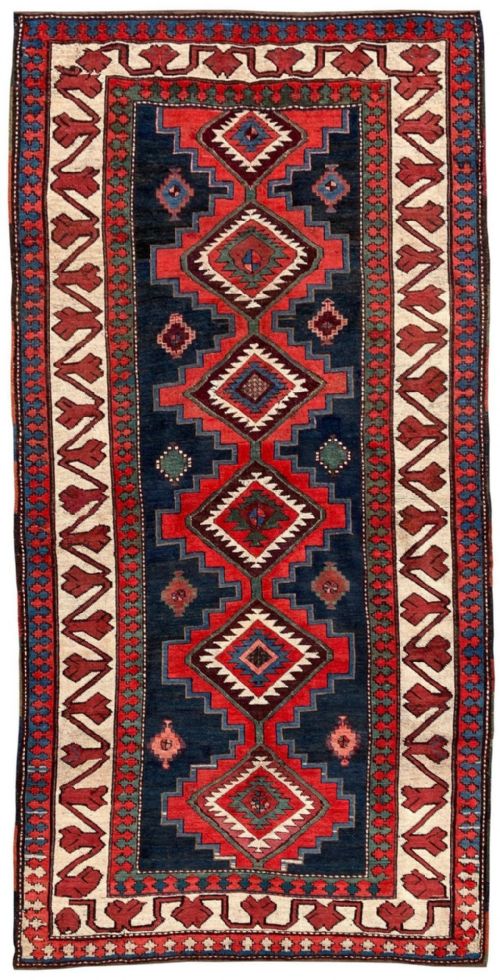
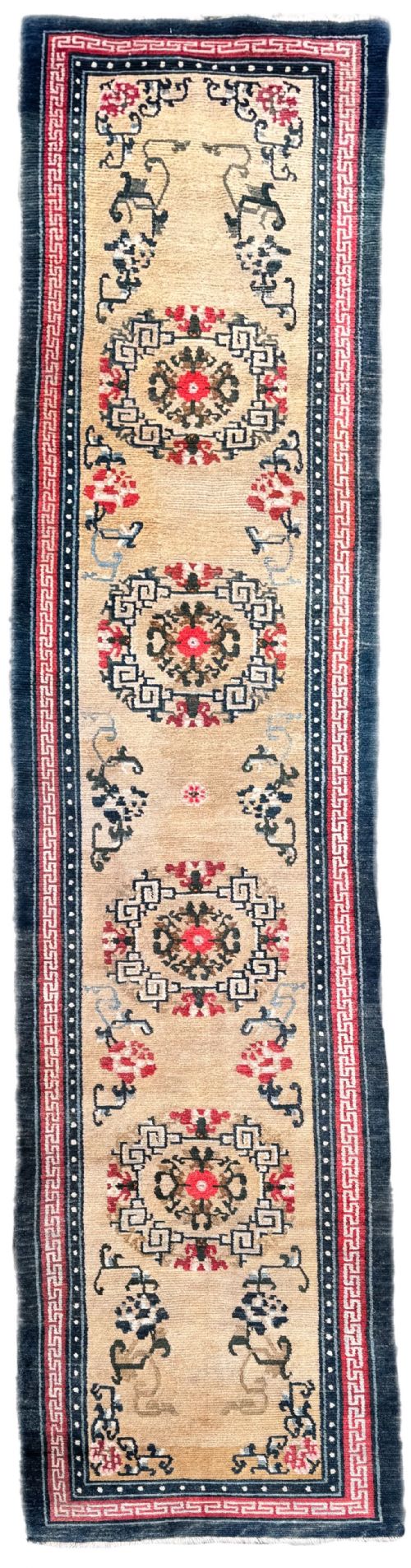
A woven runner rug is a long, narrow textile designed specifically for corridors, hallways, and transitional spaces within a home. These floor coverings bridge various rooms while adding warmth, colour, and texture to otherwise neglected passageways.
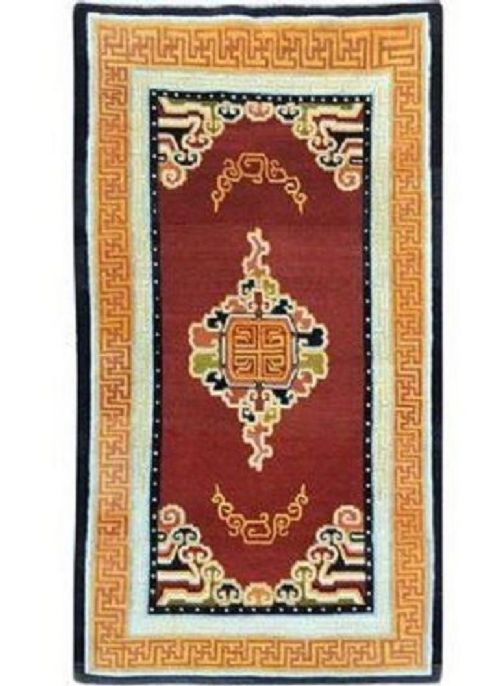
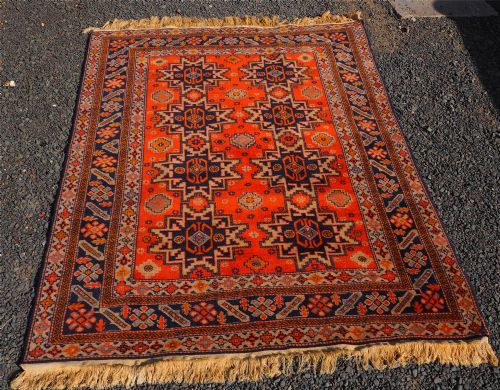
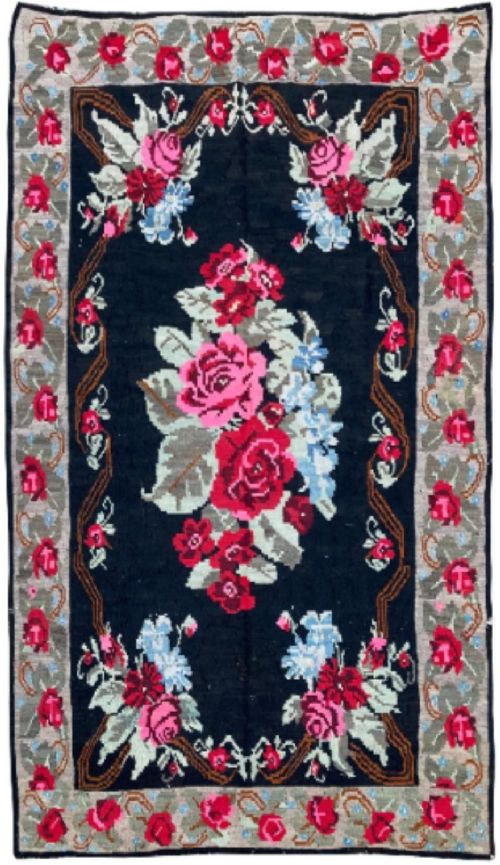
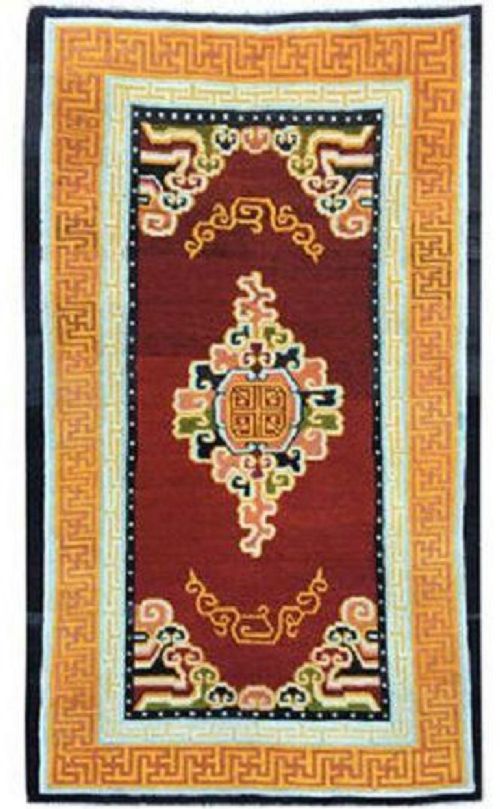
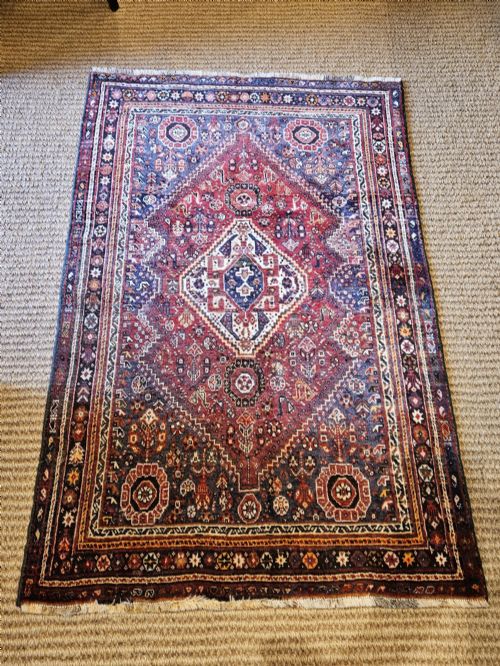
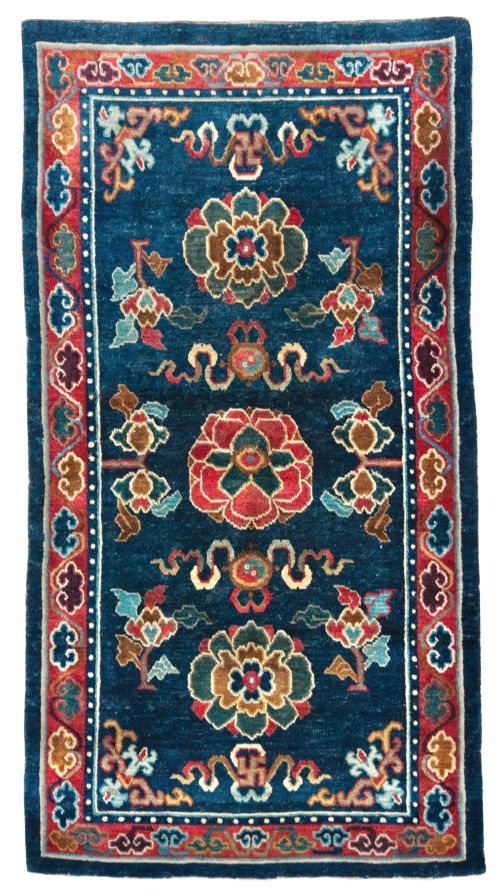
The pieces available span from the late nineteenth century through to the 1930s, originating predominantly from Persian, Caucasian, Tibetan, and Turkish weaving traditions. Among these, buyers frequently encounter traditional tribal carpets, Kurdish and Luri pieces, and specific regional runners.
Whether sourced from village workshops or nomadic tribes, each woven runner rug reflects the distinct cultural motifs and geometric patterns of its maker. These textiles serve both a practical function underfoot and a decorative purpose on the floor.
Materials and Construction
Makers utilised wool, cotton, silk, and natural dyes to construct these floor coverings by hand. Hand-spun wool forms the primary foundation for many tribal and village pieces, providing durability and a tactile texture.
Natural dyes impart the deep, nuanced palette observed across the pieces, ranging from mellow tones to rich rust backgrounds. Silk occasionally appears in finer carpets, adding a distinct sheen and delicate handling to the finished textile.
Several antique rugs carry accidental animal motifs and tribal markers woven straight from memory by nomadic makers.
Evaluating Quality and Craftsmanship
Quality rests in the density of the knotting, the fineness of the materials, and the stability of the foundation. Pieces employing hand-spun wool and stable natural dyes demonstrate superior longevity and integrity.
The precision of the geometric or floral motifs and the balance of the composition distinguish village production from nomadic pieces. Finer details in the border work and the harmony of the palette elevate certain examples above others.
The Woven Runner Rug Glossary
- Runner
- A long, narrow carpet format intended for corridors, staircases, and hallways. This shape connects different living areas while protecting high-traffic flooring.
- Natural Dyes
- Colourants derived from plants, insects, and minerals rather than synthetic compounds. These dyes yield a complex, fading spectrum that matures gracefully over time.
- Kilim
- A flat-woven carpet or rug produced without a pile by tightly interweaving warp and weft strands. This technique creates a lightweight, reversible textile with sharp geometric patterns.
- Hand-Spun Wool
- Yarn spun manually on a drop spindle or wheel rather than by industrial machinery. This method results in irregular thickness and varied absorption of natural dye, giving the rug depth.
- Prayer Rug
- A small carpet featuring a mihrab or arch design indicating the direction of prayer. These textiles were traditionally used for personal devotion.
Woven Runner Rug: Frequently Asked Questions
Where should I place a runner rug?
These long textiles suit narrow corridors, entrance halls, and galley kitchens where floor space is restricted. They soften footsteps and introduce warmth to transitional areas.
They also function effectively alongside long dining tables or beside bedroom furniture where a narrow format fits the layout.
How do I identify a tribal rug?
Tribal rugs typically display geometric motifs, stylized animal figures, and repeating tribal symbols rather than formal court designs. The patterns arise from memory and local tradition rather than drawn cartoons.
Irregularities in the weave and asymmetrical borders often point to nomadic or village production rather than urban workshop manufacturing.
Are these rugs durable enough for daily use?
Wool and cotton construction combined with tight hand-knotting makes these textiles resilient against regular foot traffic. Placing an appropriate underlay beneath the piece prevents slipping and reduces wear.
Routine gentle vacuuming without a rotating brush roll helps maintain the pile and removes trapped grit from the foundation fibres.
How do natural dyes age?
Natural dyes mellow gradually over decades, developing a harmonious patina known as abrash where colour shifts subtly across the surface. This gentle weathering process enhances the visual depth of the wool.
Unlike harsh synthetic dyes, plant and insect colourants retain their earthy character as they soften with exposure to light.