



Woven Persian Area Rug
A woven persian area rug brings centuries of textile artistry into a room, offering tactile warmth and intricate pattern.
Woven Persian Area Rug
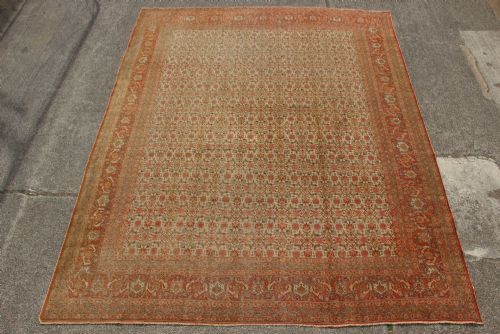
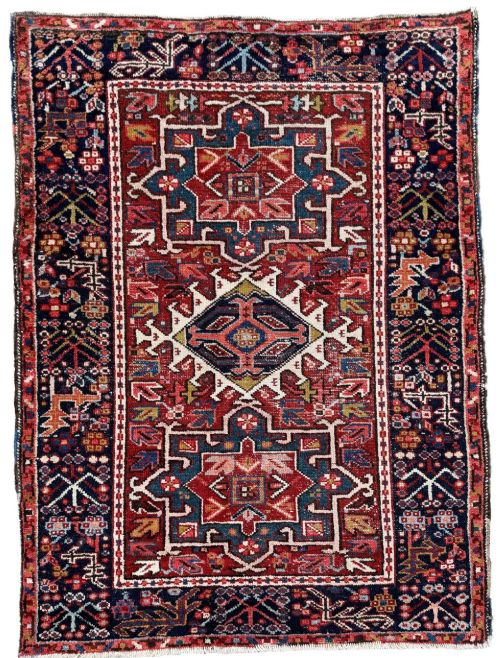
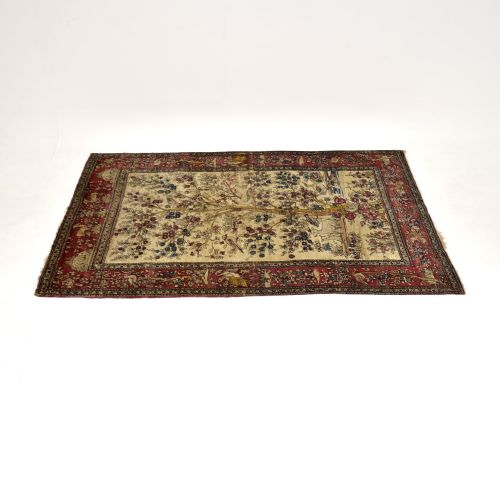
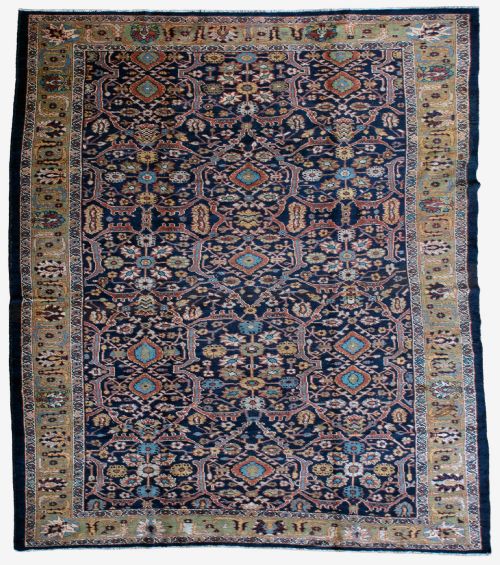
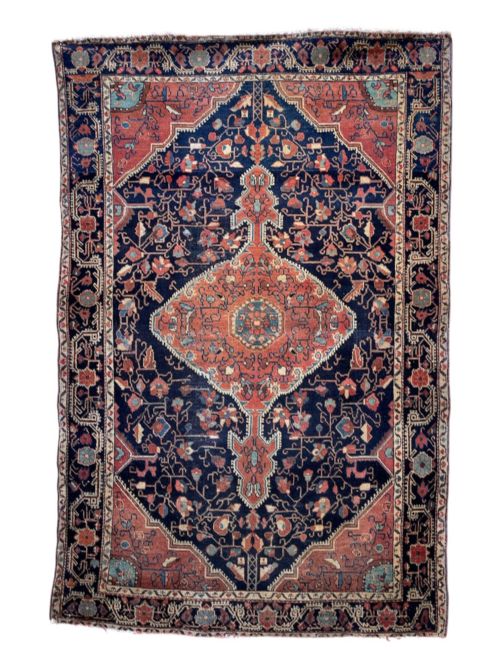
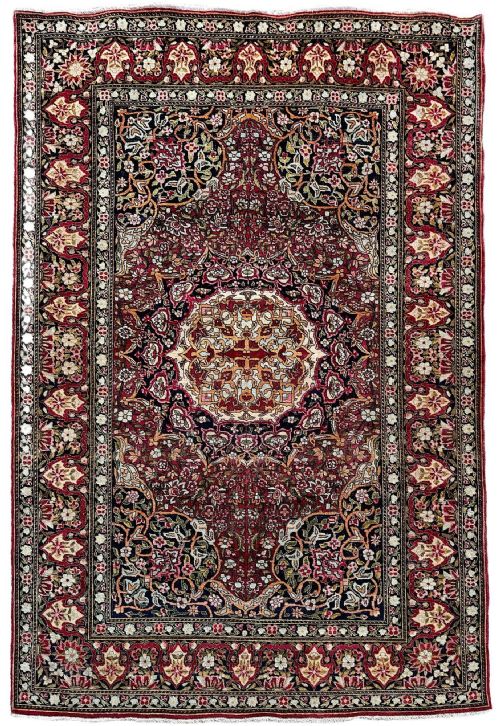
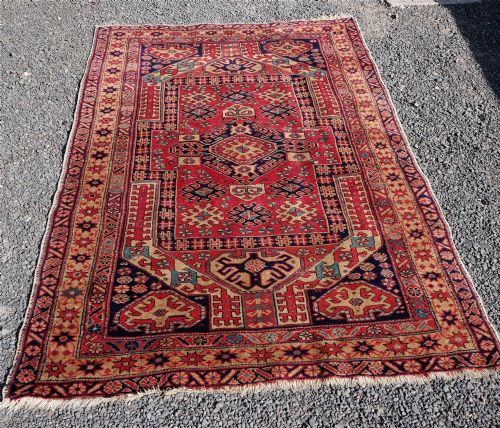
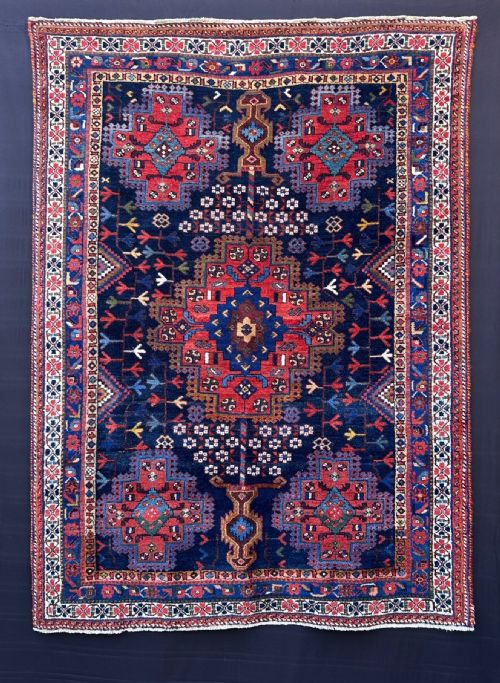
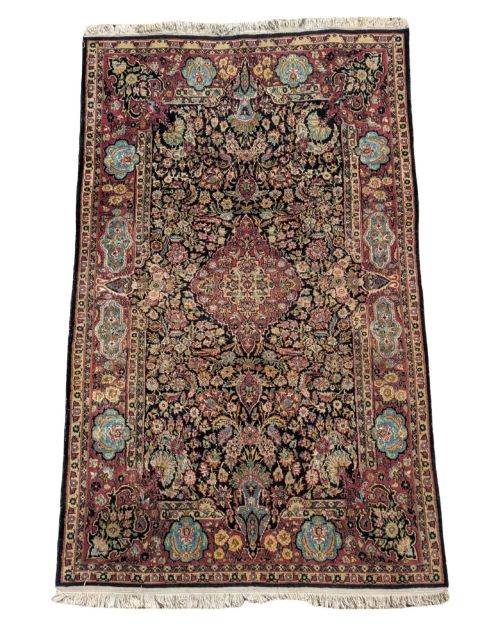
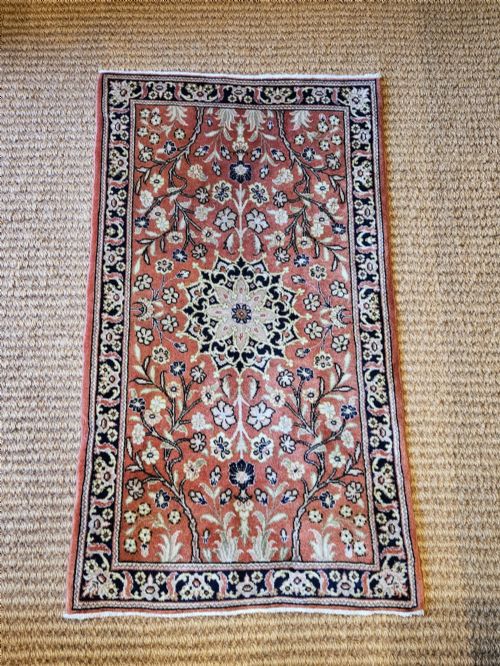
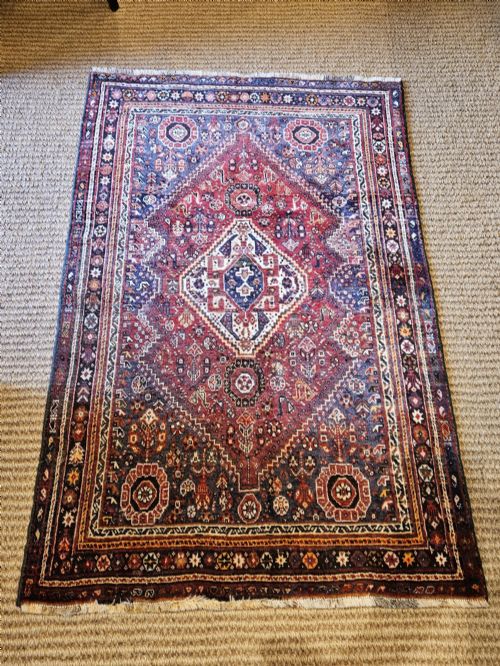
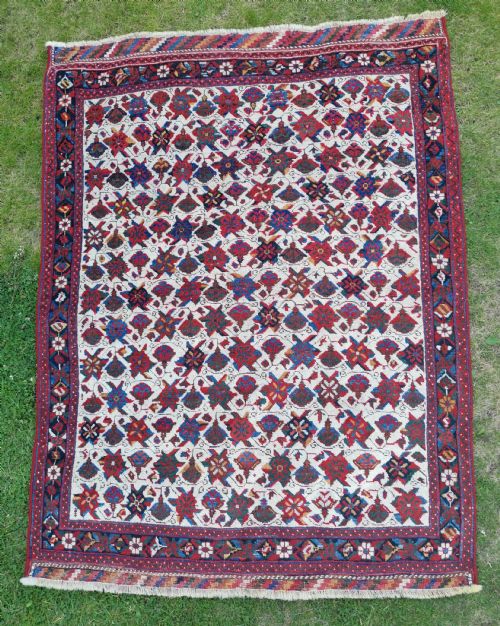
A woven persian area rug represents a diverse tradition of floor coverings originating from villages, nomadic tribes, and urban workshops across Persia. When exploring a woven persian area rug, buyers encounter formats ranging from small hearth pieces and village mats to large room-sized carpets.
The selections available span periods from the mid-nineteenth century through the early twentieth century, encompassing distinct regional identities like Heriz, Bakhtiar, Khamseh, and Afshar. Buyers are most likely to meet wool village rugs and carpets displaying geometric medallions, tribal motifs, or classical floral layouts from the decades around nineteen hundred.
How They Were Made
The construction relies fundamentally on wool, cotton, and occasionally silk foundations and piles, manipulated through hand-knotting techniques. Artisans often utilised hand-spun wool alongside natural dyes to achieve rich colour variations across the field.
Many village and tribal pieces incorporate cotton for warps andwefts to ensure structural stability, while select city carpets integrate silk highlights to accentuate fine botanical details.
Listings feature wool, cotton, and silk materials across pieces dated from the nineteenth century up to nineteen thirty.
What Varies in Quality
Quality rests upon the density of the knotting and the integrity of the materials, with tighter foundations yielding greater durability. The handling of natural dyes also dictates visual depth, as vegetable colours mellow harmoniously over decades.
Artistic execution distinguishes standard village weaving from master city workshops, where balanced symmetry and precise curvilinear or geometric drawing elevate the overall impact.
The Woven Persian Area Rug Glossary
- Medallion
- A central ornamental motif dominating the field of the rug. It serves as the focal point for the surrounding geometric or floral design.
- Warp
- The vertical foundation threads running lengthwise through the rug upon which the knots are tied. Fringe ends typically form from these extended threads.
- Weft
- The horizontal threads passed across the warps between rows of knots to secure the structure. They bind the weave firmly together from side to side.
- Pile
- The upright cut or looped wool, cotton, or silk threads forming the usable surface of the carpet. Its height and density dictate the plushness and durability of the piece.
- Natural Dyes
- Colourants derived from plants, insects, and minerals rather than synthetic chemicals. They produce subtle tonal variations known as abrash as the dye batches shift.
Woven Persian Area Rug: Frequently Asked Questions
How do I identify a tribal rug?
Tribal rugs typically display geometric memory patterns, hooked polygons, and spontaneous motifs created by nomadic weavers without pre-planned paper cartoons.
Their wool often feels heavier and less refined, reflecting the practical needs of pastoral life.
Where should I place these rugs?
These textiles suit low-traffic living areas or studies where their pile receives gentle treatment rather than heavy household friction.
Keeping them out of direct sunlight preserves the natural dye colours over many years.
How do I clean an old wool rug?
Routine gentle vacuuming without a rotating brush roll removes surface grit safely without damaging the historic foundation.
Professional textile conservators should handle wet cleaning to prevent dye migration and shrinkage.
What causes colour variation in the field?
Shifts in hue, known as abrash, occur naturally when dyers mix new batches of vegetable dye mid-weaving or use hand-spun wool that absorbs colour differently.
This characteristic confirms the use of traditional dyeing methods rather than uniform synthetic liquids.