



Worcester Style Porcelain
Worcester style porcelain offers a rich lineage of British ceramic artistry, spanning the vibrant hand-painted patterns of the eighteenth century through to later Victorian interpretations.
Worcester Style Porcelain
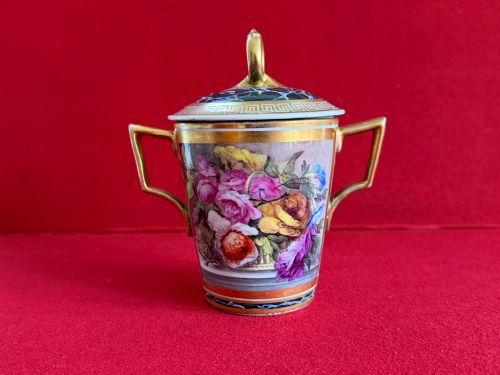
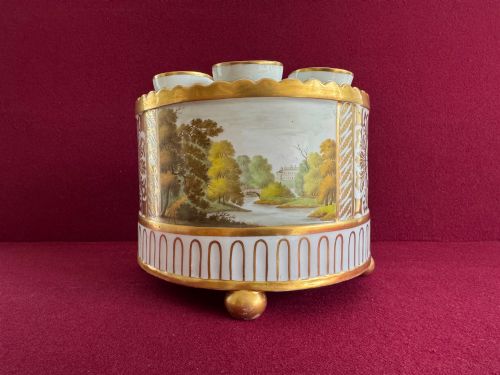
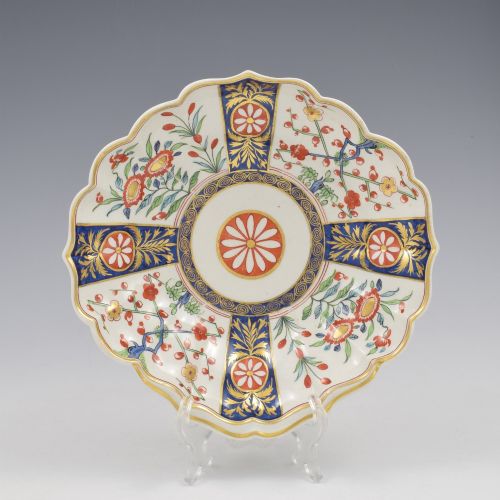
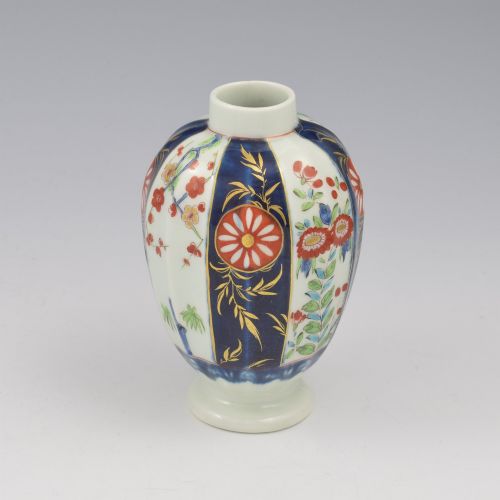
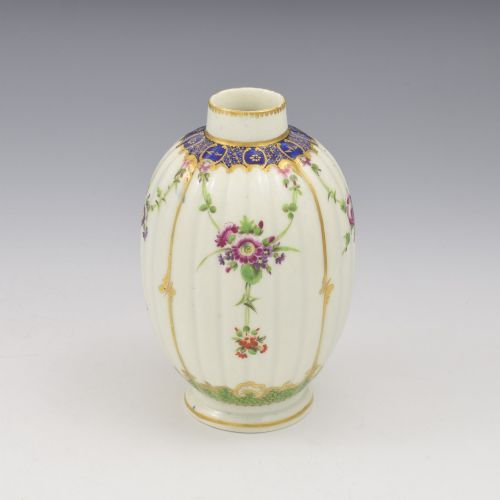
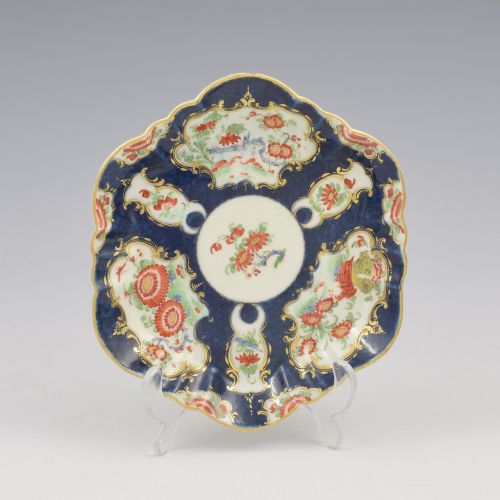
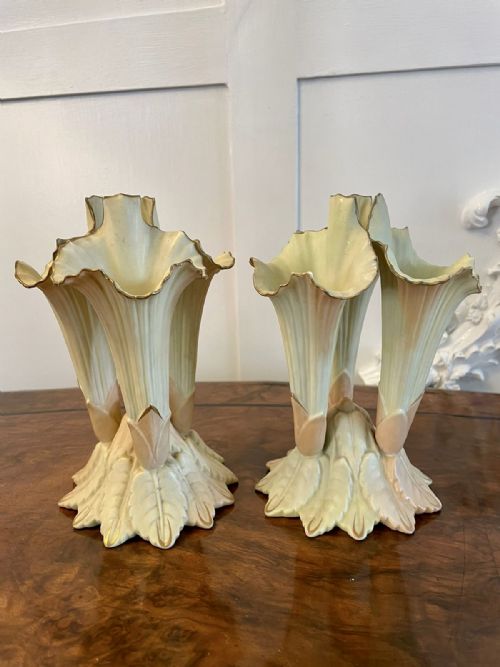
When you search for worcester style porcelain, you encounter a varied selection of domestic wares, tableware, and decorative figures originating from different periods. The pieces on this page range from eighteenth-century tea canisters and plates with blue scale or wheatsheaf patterns to nineteenth-century dessert services and vases.
You are most likely to meet eighteenth-century soft-paste porcelain tea wares alongside later nineteenth-century hard-paste or bone china pieces, including items by manufacturers such as Chamberlain and Royal Worcester. These span styles from Georgian rococo and chinoiserie to Victorian neoclassical and Japanese-inspired designs.
The selection includes functional items like tea caddies, teapots stands, spill vases, and ice pails, as well as purely decorative plates and figures. Each period brings distinct characteristics, from early blue and white designs to lavishly gilded and enamel-decorated cabinet pieces.
How they were made
The material foundation rests on porcelain paste, encompassing both early soft-paste compositions and later refined bodies. Potters shaped these bodies on wheels, in moulds, or through casting to create tea vessels, plates, and sculptural figures.
Decoration relied heavily on manual skill, utilising underglaze blue painting, enamelling in diverse palettes, and the application of gold leaf and gilding. Artisans also employed moulded relief work, blush ivory finishes, and parian ware to achieve varied textural effects.
Worcester Style Porcelain Retail Price Guide 2026
Typical asking prices for worcester style porcelain among the pieces listed under this phrase on Sellingantiques today, from the lower quarter to the upper quarter. They describe what is for sale here now, not the wider market.
A soft-paste tea cup waiting quietly in the dark for two centuries still remembers the scent of dried leaves.
What varies in quality
Quality rests upon the crispness of the moulding and the precision of the hand-painted or transfer-printed decoration. Finer pieces demonstrate superior control in enamel application and gilding, with well-defined motifs that avoid blurring or muddy tones.
The sophistication of the paste and glaze also dictates standard, where earlier soft-paste bodies and later finely potted bone china or parian exhibit superior translucency and finish. Provenance and association with notable factories or decorators elevate certain pieces above standard production.
Locke & Co·Chamberlain Worcester·Flight Barr & Barr·Royal Worcester·Kerr & Binns
The Worcester Style Porcelain Glossary
- Soft-paste porcelain
- An early ceramic composition containing glass frit and white clay, fired at lower temperatures than hard-paste. It possesses a warm, slightly creamy appearance and a softer glaze.
- Gilding
- The application of gold leaf or powdered gold to the surface of porcelain for decoration. On finer items, this is hand-tooled and burnished to create a bright or matte finish.
- Blue scale
- A dark underglaze blue pattern resembling fish scales, often enclosing shaped panels painted with flowers or birds. It is characteristic of eighteenth-century factory output.
- Parian ware
- A fine-grained, unglazed biscuit porcelain developed in the nineteenth century to imitate marble. It was widely utilised for sculptural figures and portrait busts.
- Enamel
- Coloured glass paste fused to the porcelain surface through firing. It provides the vibrant palette seen on botanical, avian, and figural decorations.
Worcester Style Porcelain: Frequently Asked Questions
What is worcester style porcelain?
Worcester style porcelain encompasses ceramic items produced in imitation of or directly by the historic Worcester factories, spanning eighteenth-century domestic wares to nineteenth-century decorative pieces.
These items reflect diverse aesthetic influences, including Japanese motifs, French Sèvres designs, and traditional British blue and white patterns.
How do I date these pieces?
Dating relies on examining factory marks, paste composition, stylistic traits, and potting techniques. Eighteenth-century examples often feature soft-paste bodies and crescent or disguised numeral marks.
Later nineteenth-century pieces from makers like Royal Worcester incorporate standard registration ciphers, impressed letters, or printed factory seals that narrow down the year of manufacture.
How were these wares used?
Many items served practical functions within the Georgian and Victorian home, particularly for tea service, dining, and food preparation. Tea caddies stored dry leaves, while ice pails kept desserts cool at the table.
Other objects, such as spill vases, perfume bottles, and decorative figures, fulfilled purely ornamental roles in drawing rooms and parlours.
How do I care for antique porcelain?
Antique porcelain requires gentle handling and should be washed by hand in lukewarm water using mild soap, avoiding immersion in hot water or placement in dishwashers. Sudden thermal shocks can craze the glaze.
Display pieces benefit from stable environmental conditions away from direct sunlight, which can fade delicate overglaze enamels and gilding over time.