



Worcester Porcelain Dessert Dish
These pieces of worcester porcelain dessert dish bring the refined elegance of eighteenth and nineteenth-century dining tables directly into modern rooms.
Worcester Porcelain Dessert Dish
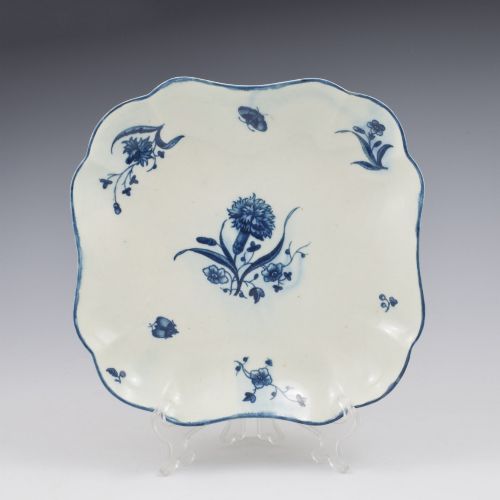
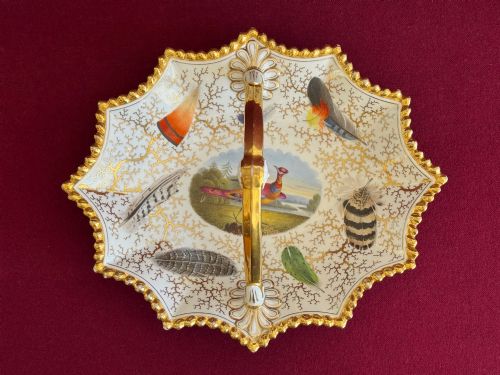
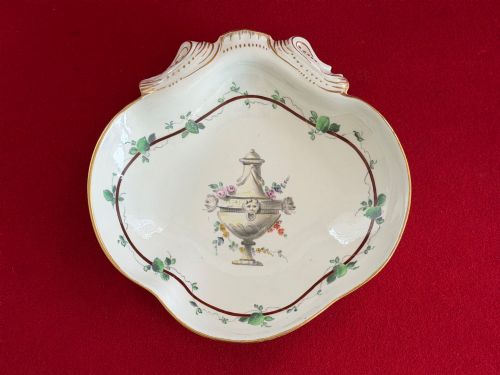
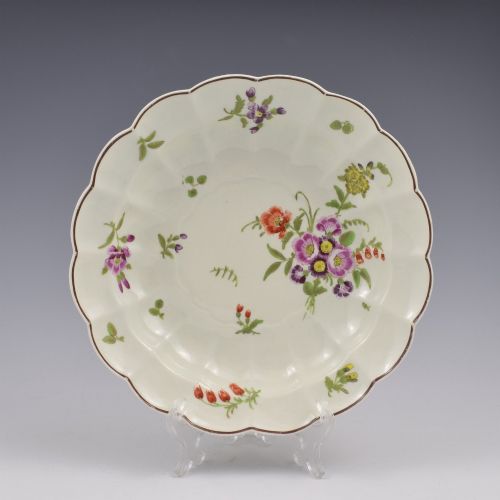
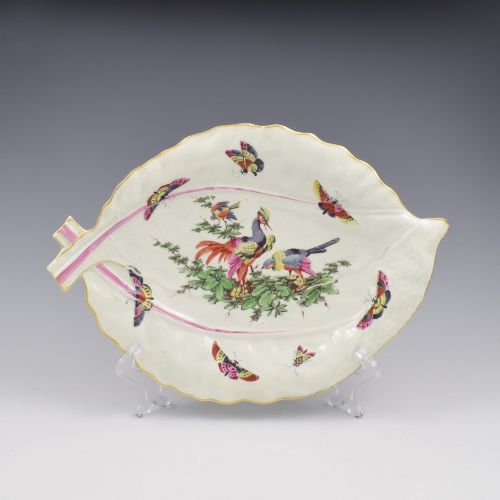
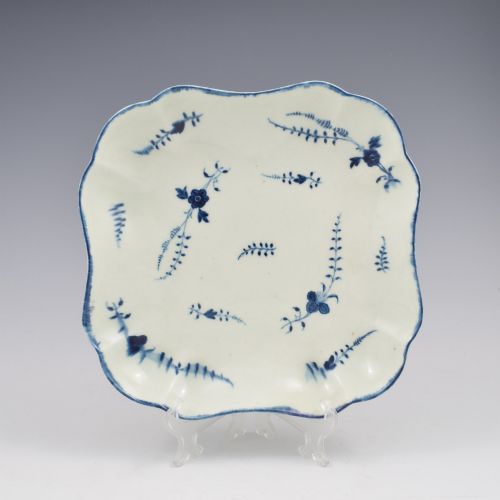
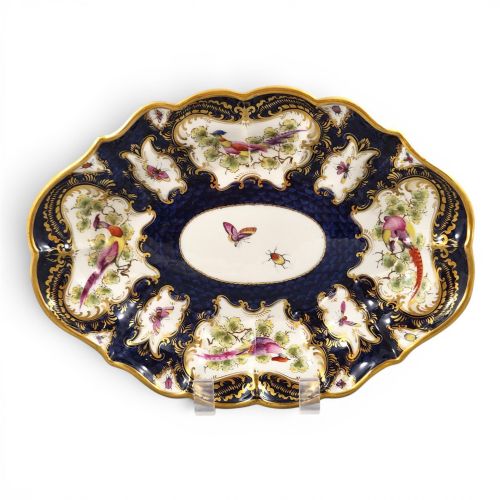
A worcester porcelain dessert dish is a specialised serving vessel designed for the final course of a formal meal, encompassing leaf shapes, scalloped shells, and square dishes. These items emerged across the eighteenth and nineteenth centuries, spanning the Dr Wall period through the Regency era and into the twentieth century. The selection ranges from early soft-paste porcelain painted with birds or insects to later bone china featuring topographical scenes and hand-painted fruit.
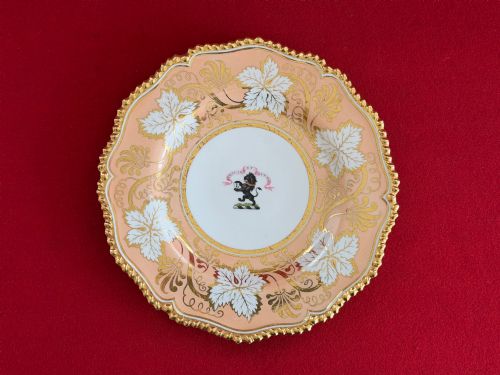
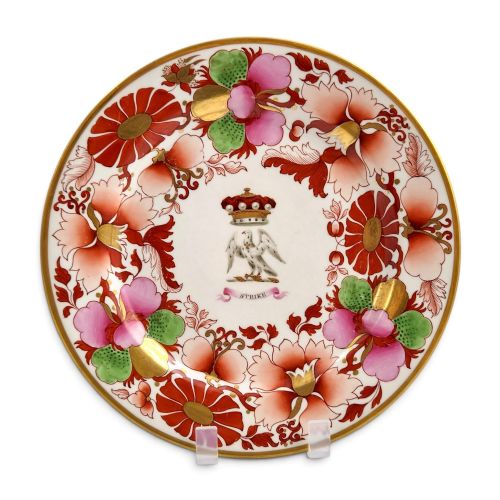
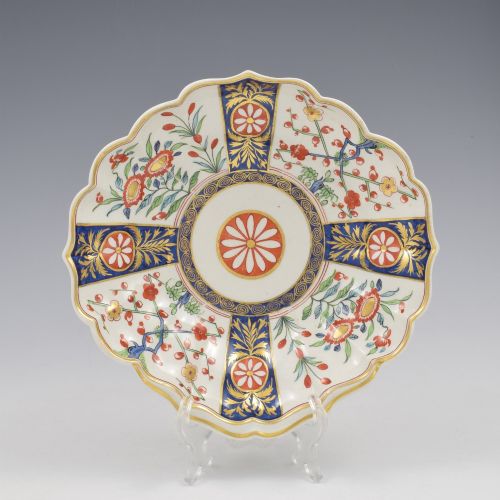
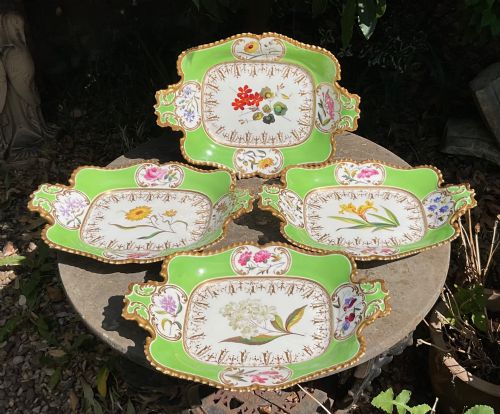
Examples from the First Period display hand-painted enamels and intricate leaf or square forms intended for aristocratic dining services. Later nineteenth-century pieces from factories such as Chamberlains or Flight, Barr and Barr introduce rich gilding, armorial crests, and bold patterns like the Jabberwocky design. Twentieth-century productions continue the tradition with finely painted naturalistic subjects by artists like R. Sebright.
How they were made
Potters shaped these vessels using soft-paste porcelain during the eighteenth century before transitioning to bone china and hardier bodies in the nineteenth century. Artisans formed leaf dishes, shells, and square plates by hand-pressing clay into moulds, creating organic contours that mirror natural forms.
Decoration relied on underglaze blue painting, overglaze enamels, and applied gold leaf. Skilled painters applied botanical motifs, birds, and topographical scenes by hand before firing the pieces in kilns to fix the colours and the lustrous glaze.
Worcester Porcelain Dessert Dish Retail Price Guide 2026
Typical asking prices for worcester porcelain dessert dish among the pieces listed under this phrase on Sellingantiques today, from the lower quarter to the upper quarter. They describe what is for sale here now, not the wider market.
Listings feature porcelain spanning from eighteenth-century soft-paste pieces to twentieth-century bone china painted with fruit.
What varies in quality
Quality rests upon the crispness of the moulding and the artistic execution of the hand-painted decoration. Early soft-paste pieces with translucent bodies and complex hand-painted subjects like fancy birds or Kakiemon patterns represent the height of the potter's art.
The precision of the gilding and the depth of the overglaze enamels further distinguish standard domestic wares from exhibition-quality services. Later painted fruit and topographical scenes demonstrate technical mastery through meticulous brushwork and vibrant colour retention.
Chamberlains Worcester·Flight Barr And Barr·Barr Flight And Barr·Royal Worcester
The Worcester Porcelain Dessert Dish Glossary
- Soft-paste porcelain
- An artificial ceramic body fired at lower temperatures than hard-paste porcelain, common in eighteenth-century Worcester production. It yields a warm, creamy texture beneath the glaze.
- Overglaze enamel
- Pigments painted onto an already fired and glazed surface before undergoing a second, cooler kiln firing. This technique permits a brilliant palette of reds, greens, and yellows.
- Armorial
- A decorative scheme featuring a family crest, coat of arms, or heraldic device. These bespoke commissions denoted the high social standing of the original dining service owner.
- Gilt
- A thin layer of gold applied to the rims, handles, or borders of the dish as an accent. It provides a luxurious contrast against painted reserves and white porcelain.
- Dr Wall period
- The earliest phase of Worcester porcelain manufacture, named after founder Dr John Tobias Wall. Pieces from this era are prized for their delicate potting and painterly aesthetics.
Worcester Porcelain Dessert Dish: Frequently Asked Questions
How were dessert dishes used?
These dishes served sweetmeats, fruits, and small confections at the conclusion of formal Georgian and Regency dinners. They occupied the centre of the table or were passed among guests as part of an elaborate dessert service.
Because they were meant for display as much as service, many survived in sets or matched pairs alongside matching plates and centrepieces.
How do I identify First Period Worcester?
First Period pieces typically date between the foundation of the factory and the late eighteenth century, featuring soft-paste porcelain bodies. Look for characteristic open crescent marks, square fret marks, or disguised numerals painted under the glaze.
The potting often shows slight manufacturing imperfections and glaze pooling that distinguish these early examples from nineteenth-century bone china.
Can I use these dishes for food?
While these are antique ceramics, many owners prefer to keep them strictly for display to preserve their delicate enamels and gold leaf. Historic soft-paste porcelain and overglaze decorations can be sensitive to modern detergents and cutlery.
Gentle hand washing in warm water without soaking remains essential if you choose to use them for special occasions.
What is a Jabberwocky pattern?
The Jabberwocky pattern is a vibrant, Japanese-inspired Imari design featuring stylized dragons, birds, and floral elements in rich enamels and underglaze blue. It became a signature decorative style for Chamberlain's Worcester during the Regency period.
Such patterns reflect the nineteenth-century fascination with exotic Eastern motifs adapted for British dining tables.