

Worcester Ceramic Bowl
A worcester ceramic bowl brings eighteenth-century kiln mastery and nineteenth-century elegance directly to the table.
Worcester Ceramic Bowl
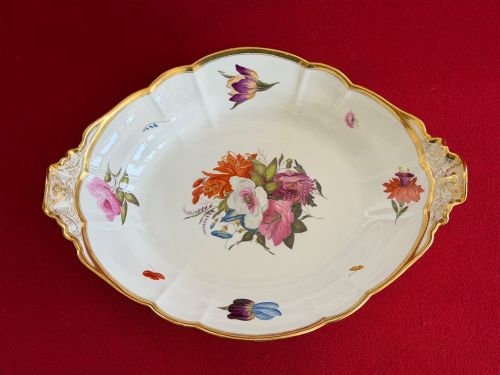
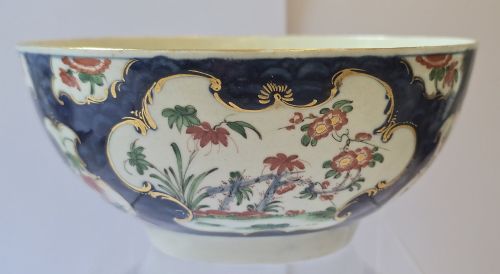
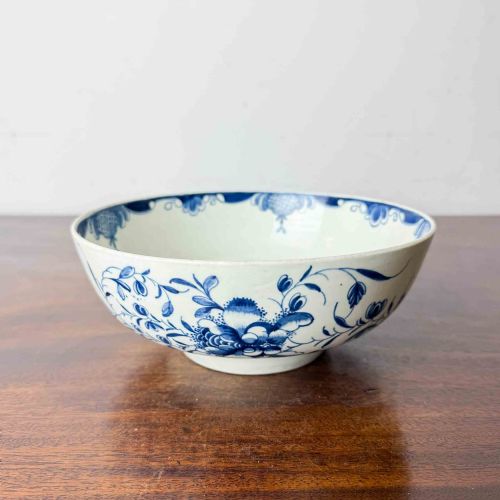
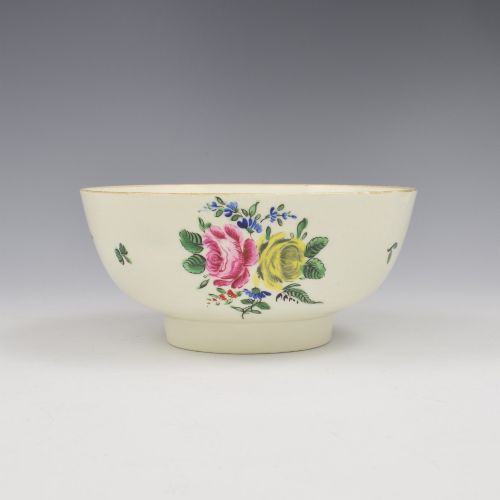
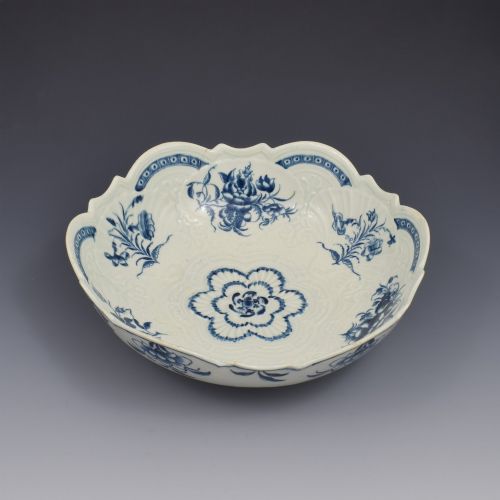
A worcester ceramic bowl encompasses delicate tea bowls, generous slop bowls, and expansive punch bowls originating from famous English kilns. These items span the eighteenth and nineteenth centuries, reflecting shifts from early soft-paste porcelain to later bone china bodies.
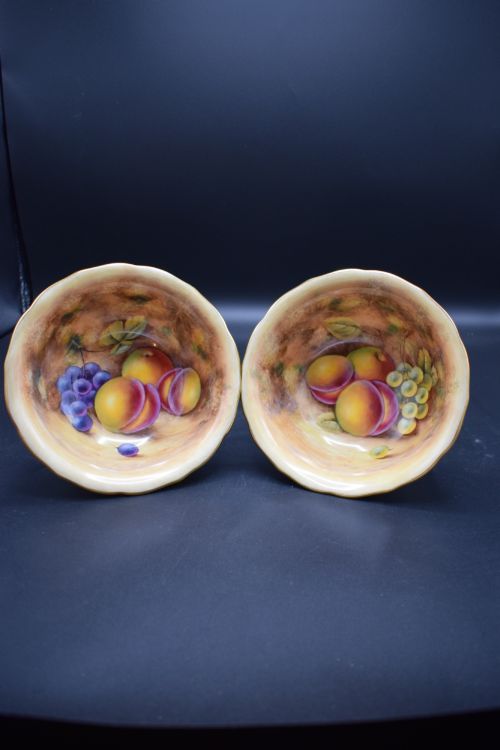
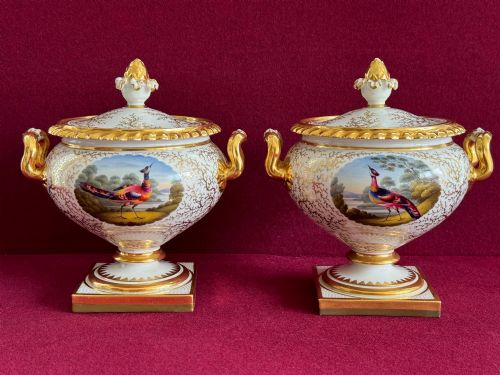
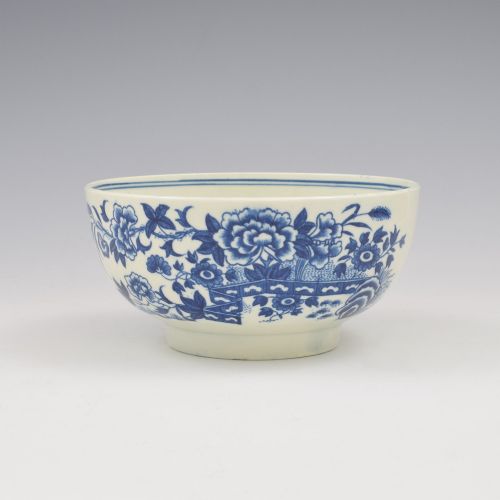
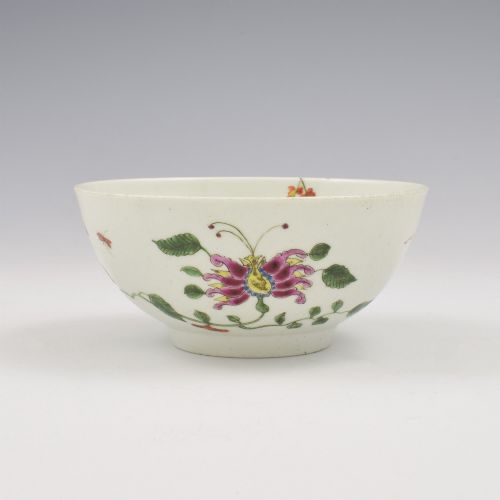
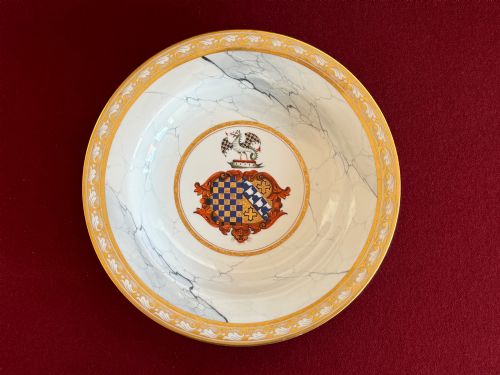
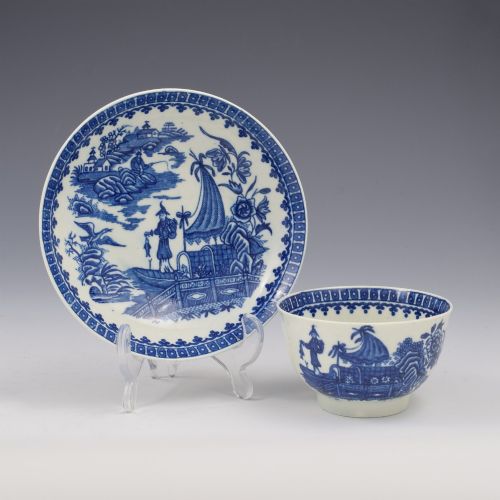
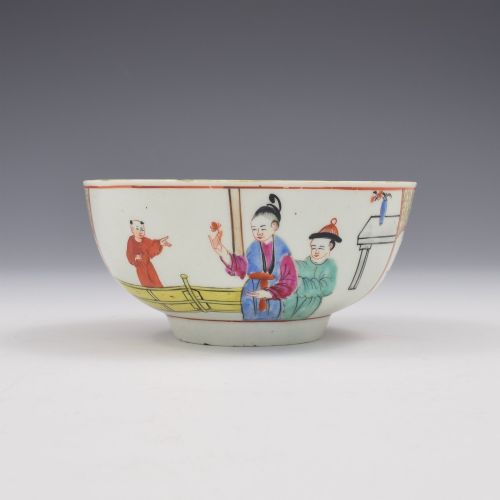
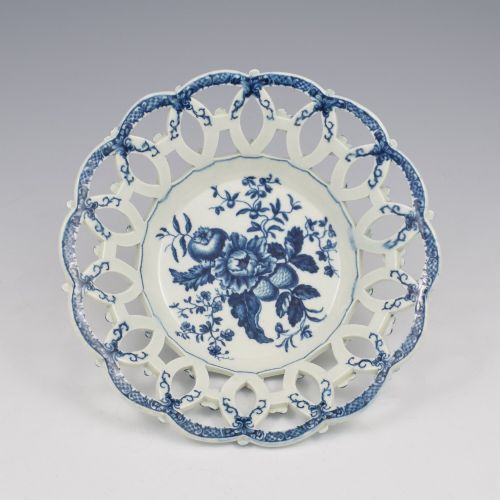
Buyers encounter eighteenth-century blue and white patterns alongside nineteenth-century armorial designs and later hand-painted fruit compositions. The selection frequently includes utilitarian vessels adapted for display, alongside matching saucers and sugar bowls.
How they were made
Potters shaped early pieces using soft-paste porcelain before transitioning toward bone china formulations in subsequent decades. Artisans applied cobalt blue underglaze decoration or painted polychrome enamels by hand directly onto the biscuit body.
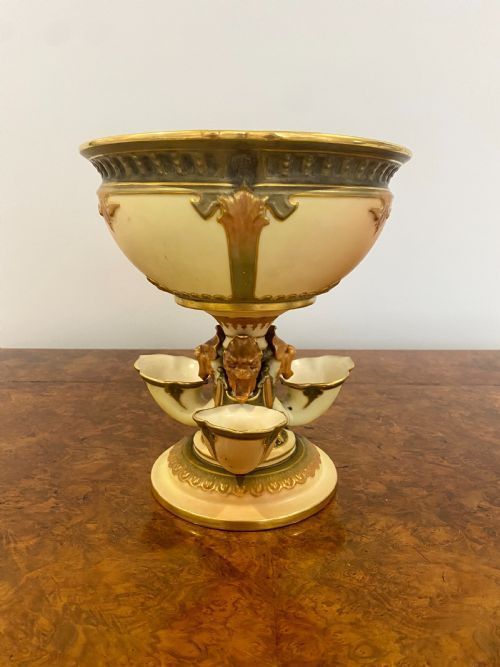
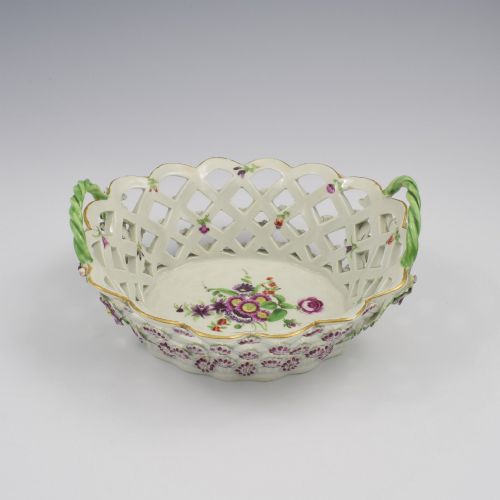
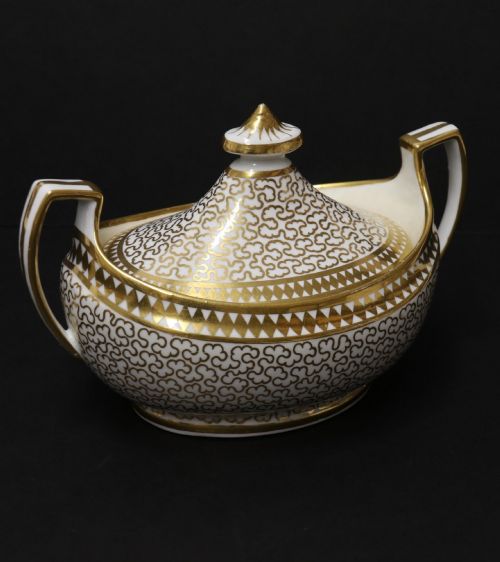
Gilders added gold leaf and intricate gilding to highlight rims, handles, and borders. Finished items received high-temperature kiln firings to fuse the glass-like glazes with the underlying ceramic body.
Worcester Ceramic Bowl Retail Price Guide 2026
Typical asking prices for worcester ceramic bowl among the pieces listed under this phrase on Sellingantiques today, from the lower quarter to the upper quarter. They describe what is for sale here now, not the wider market.
Listings feature porcelain, soft-paste porcelain, and bone china forms decorated with enamel, gold leaf, and gilding.
What varies in quality
The precision of the hand-painting dictates the primary division between standard domestic ware and top-tier cabinet pieces. Elaborate polychrome subjects and detailed gilding require superior technical skill from the decorator.
Body translucency and the crispness of moulded details distinguish early productions from later utilitarian output. Preservation of original gilding and enamel brightness heavily influences the standing of individual examples.
Flight Barr And Barr·Chamberlains Worcester·Grainger And Co Royal Worcester·Royal Worcester
The Worcester Ceramic Bowl Glossary
- Soft-paste porcelain
- A vitreous ceramic compound fired at lower temperatures than hard-paste porcelain. It produces a warm, slightly creamy body favoured by early factories.
- Slop bowl
- A large vessel utilised during tea service to receive spent tea leaves and dregs. These forms display some of the finest eighteenth-century transfer printing and hand-painting.
- Sucrier
- A covered vessel designed to hold sugar on the tea table. They often feature matching saucers or stands.
- Bone china
- A hard ceramic body incorporating bone ash, developed to provide greater durability and whiteness. It became standard for nineteenth-century tableware.
- Underglaze
- Pigment applied to a ceramic piece before the glaze is applied and fired. This technique protects the painted design beneath a glassy layer.
Worcester Ceramic Bowl: Frequently Asked Questions
What is a slop bowl used for?
Slop bowls served during formal tea ceremonies to empty spent leaves from cups before pouring fresh infusions. Guests and hosts utilised them to rinse vessels between different teas.
Over time, these deep vessels transitioned into decorative display items or general tableware due to their generous proportions and painted interior scenes.
What is the difference between porcelain and bone china?
Early Worcester production relied on soft-paste porcelain, which yields a warm, slightly textured body under transmitted light. Bone china emerged later, incorporating bone ash for enhanced strength and brilliant whiteness.
Bone china items typically demonstrate thinner walls and crisper forms while maintaining a resonant ring when lightly tapped.
How should I display delicate antique bowls?
Place these ceramic items away from direct sunlight and areas subject to sudden temperature fluctuations. Use stable, padded plate stands or custom wooden bases to distribute weight evenly.
Avoid stacking delicate bowls directly on top of one another to protect the fragile porcelain rims and surface gilding from friction.