
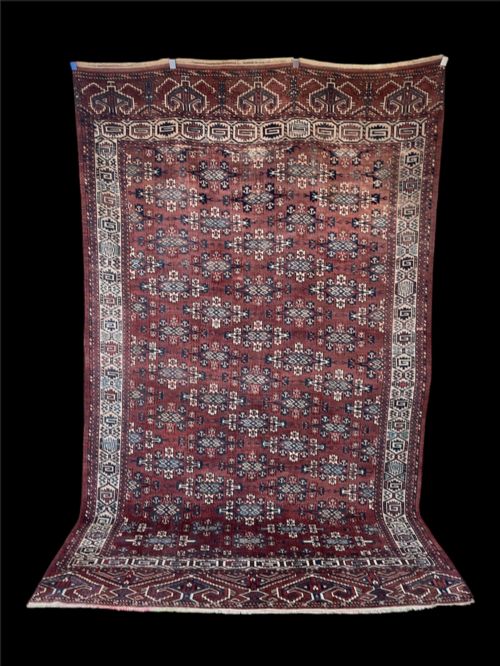


Wool Tribal Main Rug
When choosing a wool tribal main rug, you seek authentic nineteenth-century floor coverings woven by nomadic and village makers across Central Asia and Persia.
Wool Tribal Main Rug
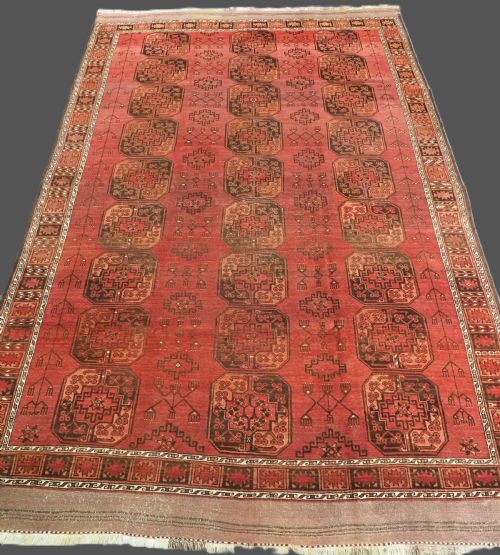
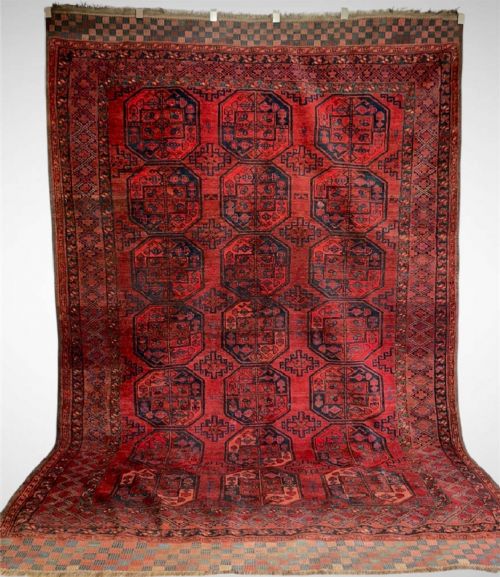
A wool tribal main rug serves as a substantial floor covering produced by tribal groups including the Turkmen, Baluch, Yomut, and Ersari peoples during the nineteenth century. These large-format carpets were woven for daily domestic use within tribal tents and dwellings, reflecting distinct regional heritage through traditional patterns.
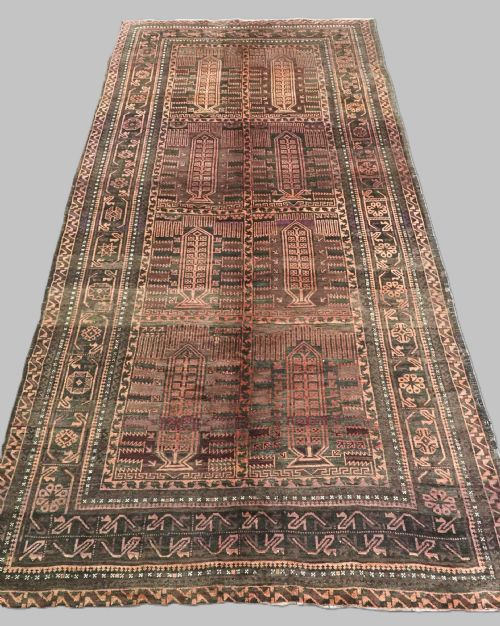
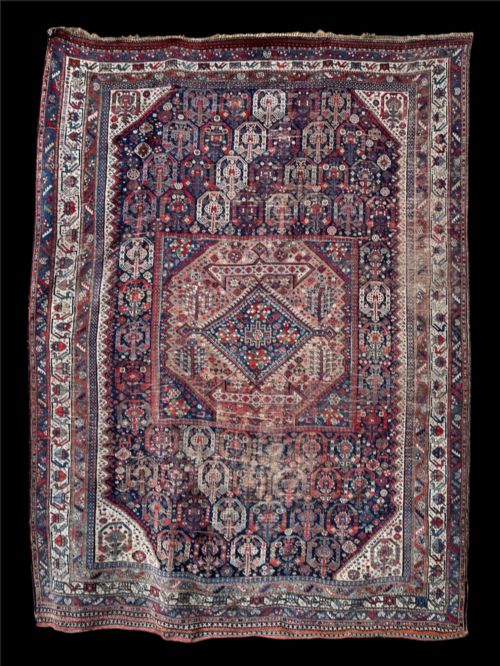
The pieces available display characteristic tribal motifs such as guls, kepse designs, and pencil box patterns. Examples range from northern Afghanistan and Central Asian weaving centres to Persian tribal confederacies like the Khamseh and Qashqai.
Buyers encounter formats spanning from expansive nineteenth-century carpets to smaller wedding dowry rugs and audience pieces. Each item embodies the utilitarian purpose and tribal identity of its makers across periods spanning from the mid-nineteenth century to the early twentieth century.
Materials and construction
These carpets rely on hand-spun wool for the pile, providing resilience and a tactile surface that responds well to age. Foundations frequently incorporate natural wool, alongside supplementary use of goat hair and horsehair in specific regional traditions for added structural strength.
Weavers utilised natural dyes to achieve deep colour palettes, occasionally incorporating cochineal highlights for specific visual accents. The knotting and weave density vary according to the tribe, producing sturdy, hard-wearing textiles designed for heavy domestic traffic.
Certain antique village carpets preserve lively depictions of pecking chickens, birds, and tribal figures woven directly into the field alongside geometric guls.
Factors of quality
Quality in these carpets rests upon the tightness of the weave, the clarity and complexity of the tribal motifs, and the depth of the wool pile. Finer examples display meticulous execution of traditional gul patterns and maintain structural integrity across the foundation.
The vibrancy and retention of natural dyes also distinguish superior pieces, alongside the survival of original borders and selvedges. Condition ranges from heavy daily wear in country house examples to crisp, well-preserved surfaces on dowry and wedding rugs.
The Wool Tribal Main Rug Glossary
- Gul
- A primary medallion or repeated octagonal motif found in Turkmen and Central Asian weaving. These symbols often denote specific tribal lineages and family clans.
- Main Carpet
- A large-format floor covering woven for principal domestic use within a tent or dwelling, as distinguished from smaller trapping or bag face formats.
- Pencil Box Design
- A characteristic repeating motif featuring stacked compartment patterns, frequently seen in Timuri and Baluch tribal weavings.
- Kepse Gul
- A specific diamond-lattice or stepped medallion pattern associated with Yomut tribal carpets.
- Dowry Rug
- A smaller textile woven by a bride or her family as part of her marriage possessions, often characterised by finer knotting and decorative detail.
Wool Tribal Main Rug: Frequently Asked Questions
How do I identify a Turkmen main carpet?
Turkmen carpets are typically identified by their repeating octagonal gul motifs, deep red or madder colour grounds, and geometric border arrangements. These pieces originate from Central Asian tribes such as the Tekke, Yomut, and Ersari.
Makers structured these carpets with dense wool piles and sturdy foundations, often incorporating subsidiary colours like navy, ivory, and brown to outline the primary medallions.
What is the difference between Baluch and Turkmen rugs?
Baluch and Timuri rugs generally feature darker palettes, rich browns, indigos, and camel hair tones, alongside distinctive patterns like the pencil box design. Turkmen pieces tend towards dominant madder red fields with structured octagonal guls.
Both groups produced hard-wearing floor coverings during the nineteenth century, but their regional aesthetics and specific motif libraries remain distinct.
How should I care for an antique tribal rug?
Protect your carpet by placing it in areas with moderate foot traffic and using an appropriate underlay to prevent sliding and friction. Vacuum gently with suction only, avoiding beater bars that can damage hand-spun wool piles.
Keep the textile out of direct, prolonged sunlight to preserve the stability of natural dyes. Professional cleaning should be undertaken periodically by specialists in antique oriental carpets.
How can I tell the age of a tribal rug?
Dating relies on assessing the wool quality, the composition of natural dyes, structural wear patterns, and stylistic markers specific to nineteenth-century production. Pieces from the mid to late nineteenth century often display softer wool textures and varied dye saturation.
Comparing construction techniques with documented examples from tribes like the Khamseh, Qashqai, and Ersari helps narrow down the period of manufacture.