


Wool Tapestry Embroidery Art
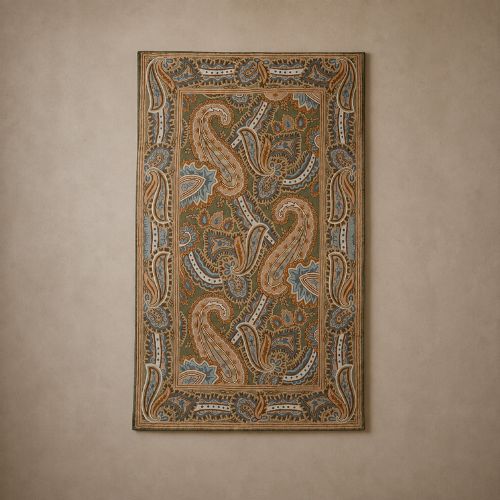
Wool tapestry embroidery art brings together centuries of hand-stitched wall hangings, framed needlework pictures and tribal panels created from wool, silk and linen.
Wool Tapestry Embroidery Art
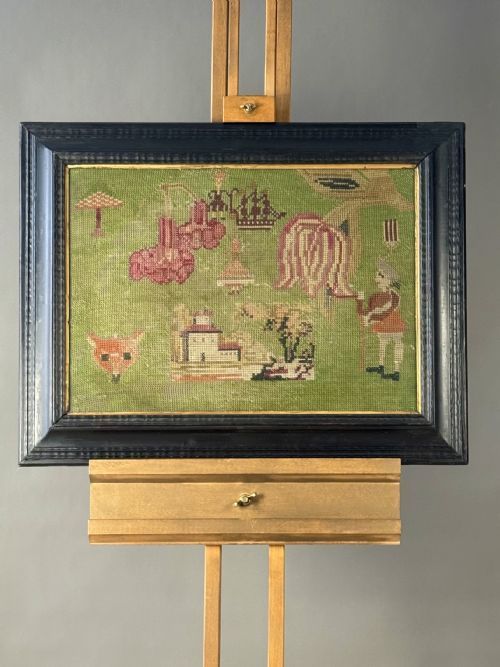
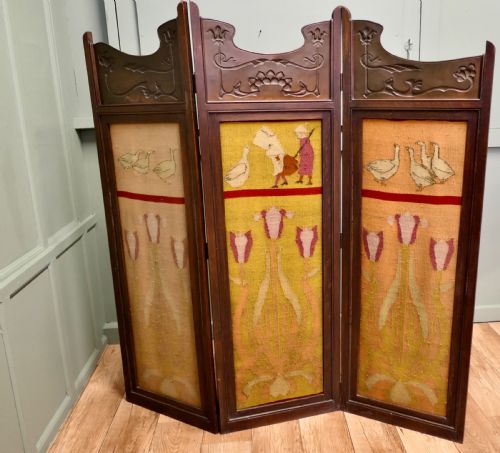
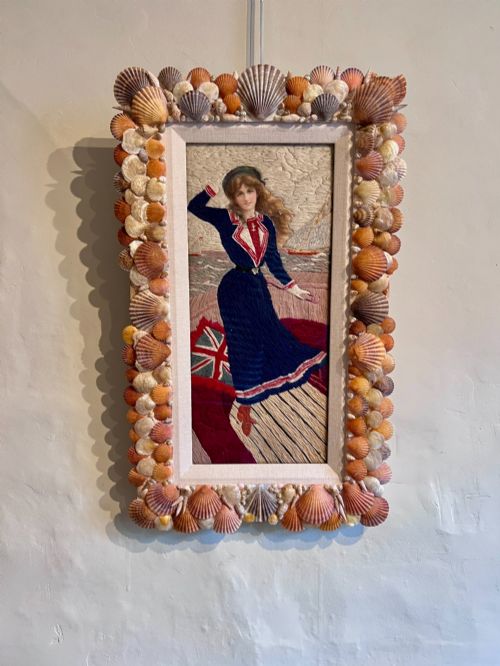
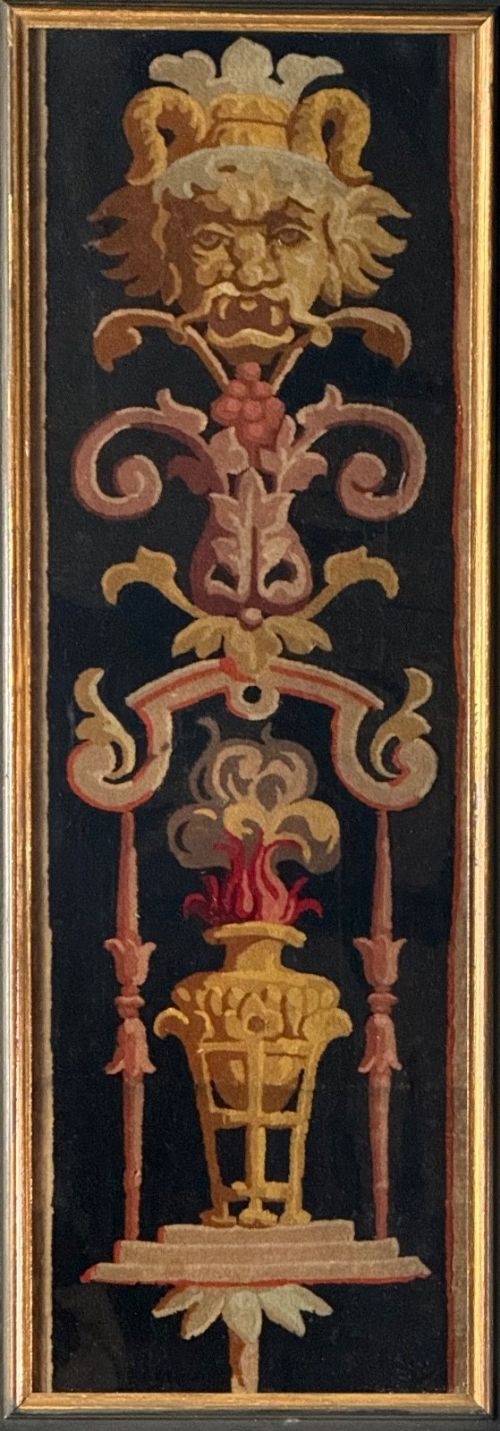
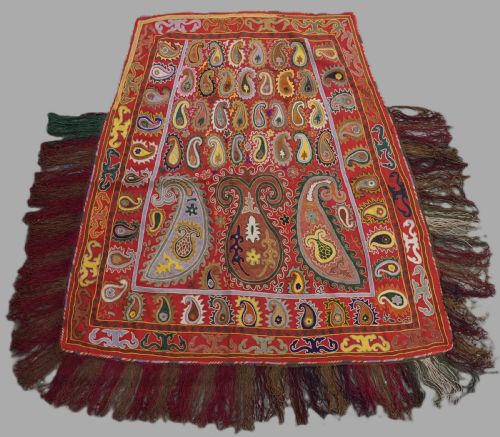
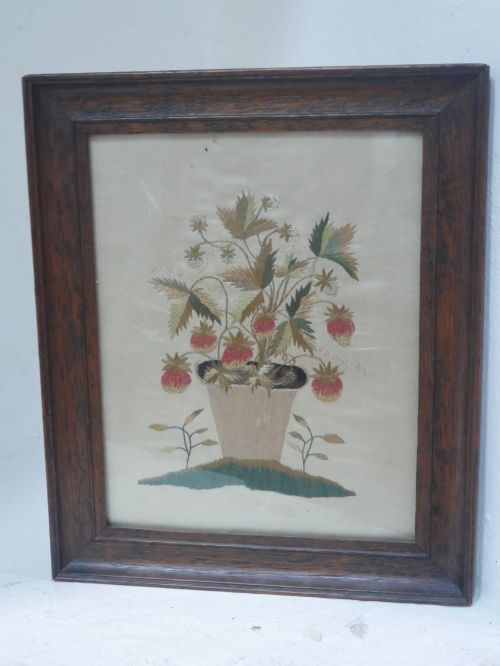
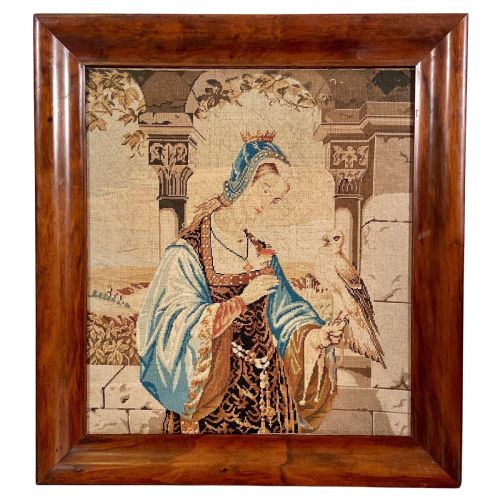
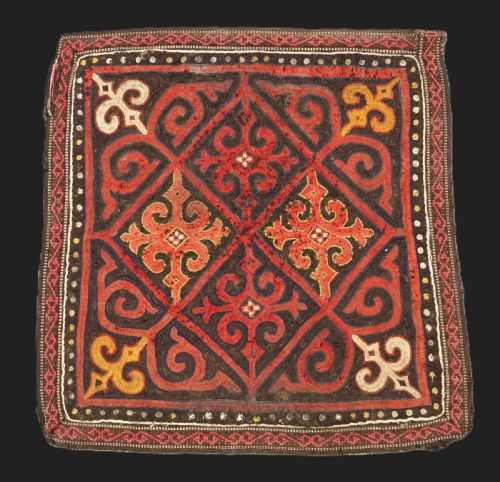
Wool tapestry embroidery art encompasses framed pictures, wall hangings and screens worked in thread upon canvas, linen and felt. Pieces span from seventeenth-century classical panels and eighteenth-century samplers to Victorian Berlin work and twentieth-century Central Asian tribal embroideries.
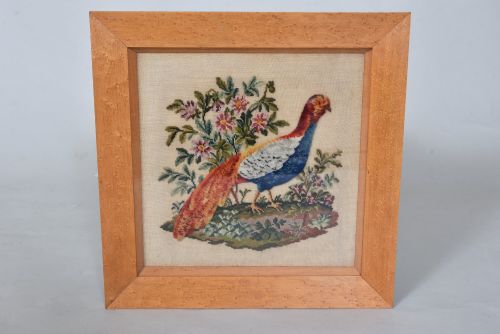
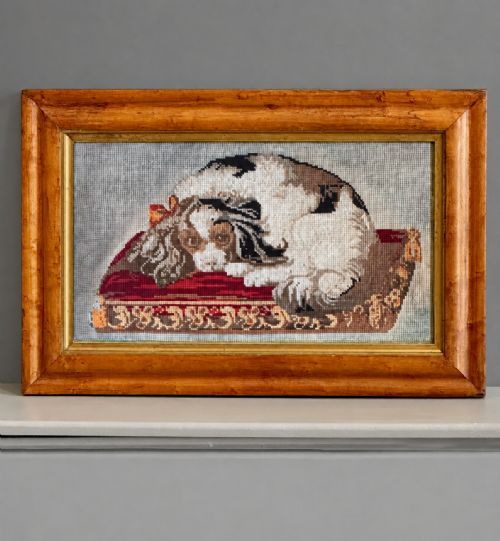
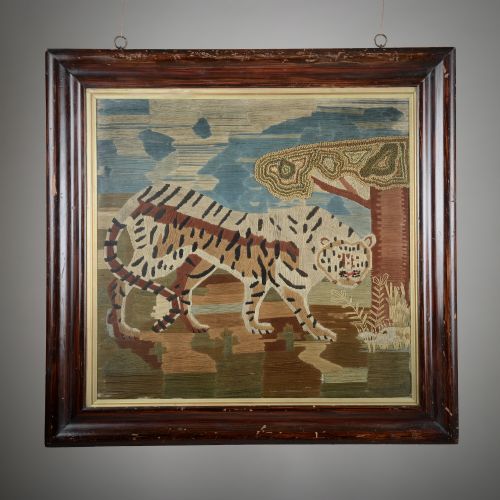
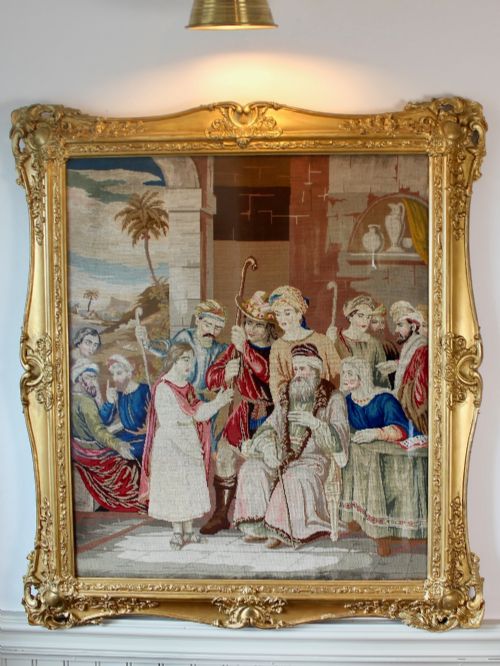
Buyers frequently encounter nineteenth-century works, particularly framed Berlin woolwork depicting animals, literary scenes or portraits, alongside regional textiles such as Uzbek embroideries and Scottish tapestries.
How they were made
Needlework compositions rely on wool yarn stitched onto supportive grounds of linen, canvas or felt, sometimes enriched with silk threads, cotton and glass elements. Artisans utilised tent stitch, gros-point and specialised needlepoint techniques to build dense pictorial surfaces.
Completed textiles were frequently mounted within period timber surrounds, including burr maple frames, giltwood mouldings and verre églomisé glass panels, securing the fabric for wall display.
Listings feature materials including wool, glass, canvas, wood, silk, linen, giltwood and cotton across multiple centuries.
What varies in quality
Quality rests upon the precision of the stitching and the clarity of the pictorial design, separating fluid, detailed compositions from stiffer, simpler efforts. The survival of original framing, such as burr maple or giltwood, contributes significantly to a piece's integrity.
The chemical stability of the wool and dye retention dictate the visual impact of the surface, with well-preserved examples retaining distinct chromatic contrasts across figures and backgrounds.
The Wool Tapestry Embroidery Art Glossary
- Berlin work
- A style of nineteenth-century needlepoint worked in wool from printed and hand-coloured charted grids. It allowed stitchers to create elaborate pictorial scenes with shaded colour gradations.
- Gros-point
- A coarse counted-thread embroidery stitch executed on canvas. This technique forms durable, textured backgrounds and robust pictorial details.
- Plushwork
- A nineteenth-century needlework technique utilising looped pile stitches that were subsequently cut to resemble velvet or fur. It creates a tactile, three-dimensional effect on subjects like animals.
- Sampler
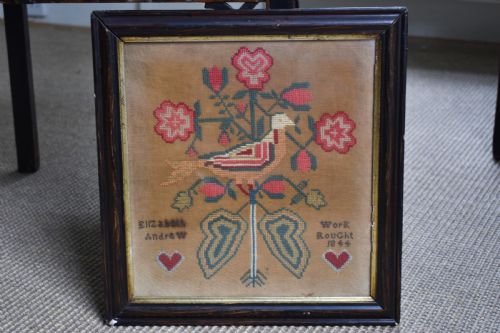
- A piece of needlework demonstrating proficiency in various stitches and alphabets. Historical examples served as practice pieces or instructional testaments for makers.
- Verre églomisé
- A process of applying cold gilding and painting to the reverse face of glass. It provides decorative, reflective borders for framed antique pictures.
Wool Tapestry Embroidery Art: Frequently Asked Questions
What is wool tapestry embroidery art?
Wool tapestry embroidery art comprises historical stitched wall hangings, framed needlework pictures and decorated tribal textiles. These objects range from European classical panels to Central Asian wall hangings.
They utilise wool yarns worked onto canvas, linen or felt grounds, often preserved behind glass within timber frames.
How were antique wool pictures used?
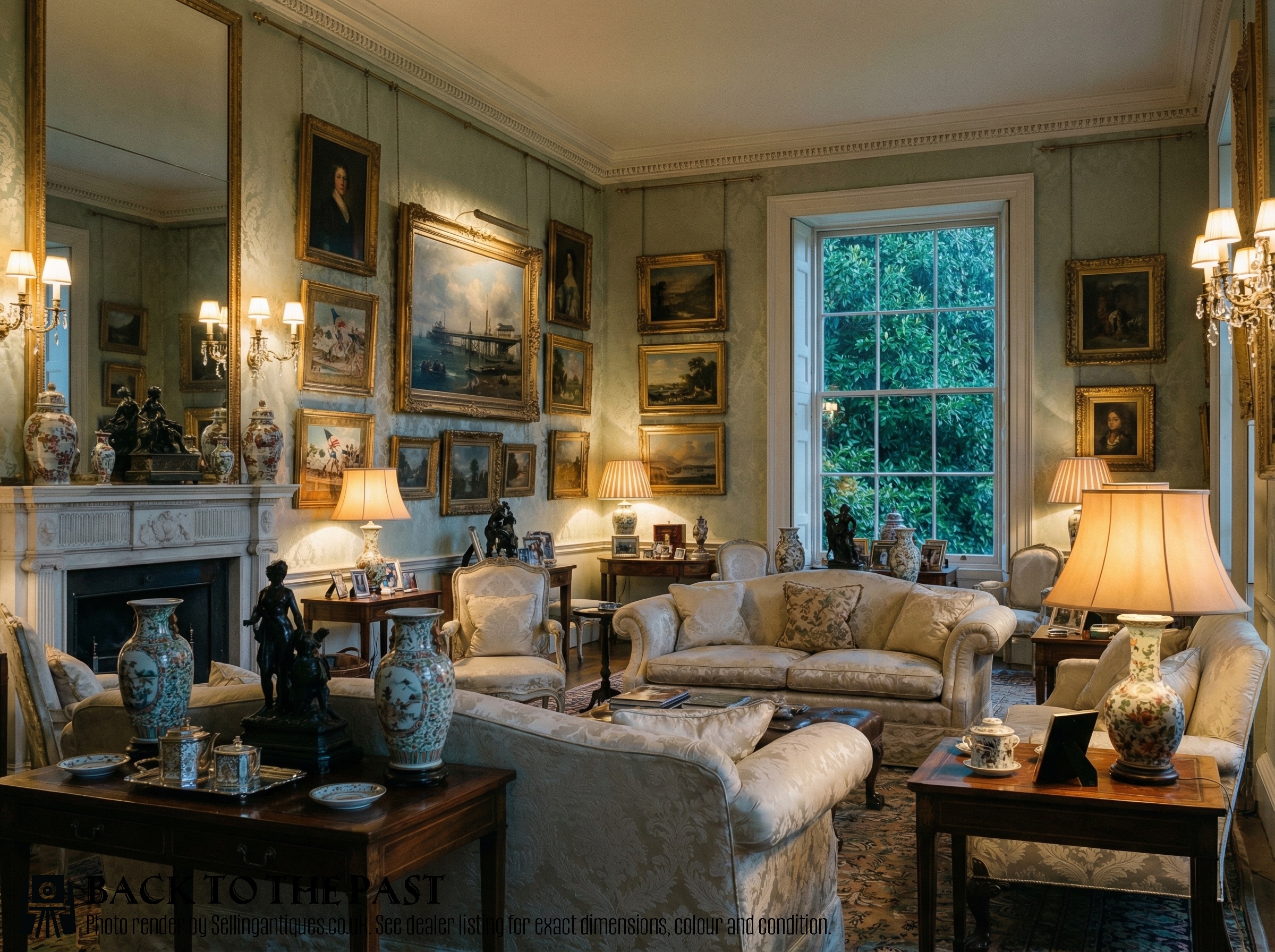
Historical needlework pieces were primarily created for domestic display as framed wall art or decorative wall hangings. Some examples functioned as furniture panels, screens or ceremonial covers.
Their placement protected interiors while demonstrating the technical skill and artistic taste of the maker.
How do I care for antique needlework?
Protect wool tapestry embroidery art from direct sunlight to prevent the fading of natural dyed wools and silks. Maintain stable indoor humidity levels to safeguard both the textile fibres and backing materials.
Display pieces away from direct heat sources and avoid hanging them in damp environments.
How do I date a wool work picture?
Dating relies on stylistic clues, framing materials, fabric types and subject matter recorded in the construction. Eighteenth-century examples often feature different canvas weaves and formal compositions compared to Victorian Berlin work.
Accompanying inscriptions, dated signatures or documented tribal origins help narrow the period of production.