
Wooden Washstand
A wooden washstand is a practical piece of domestic history designed for morning hygiene, bringing period craftsmanship and useful surface space into a modern bedroom.
Wooden Washstand
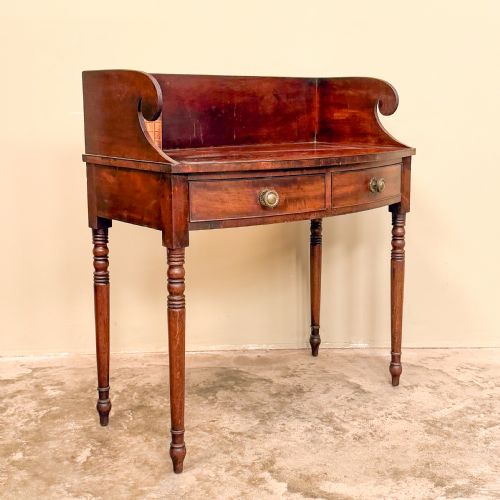
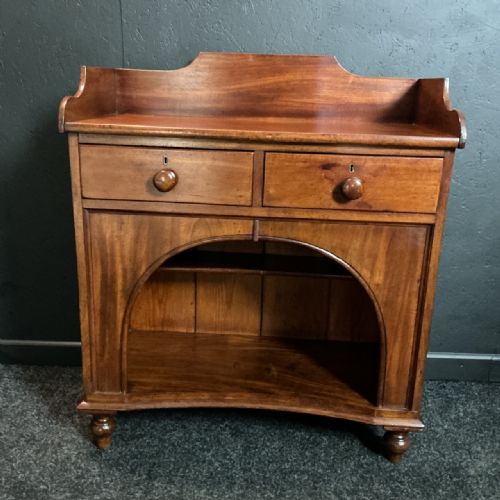
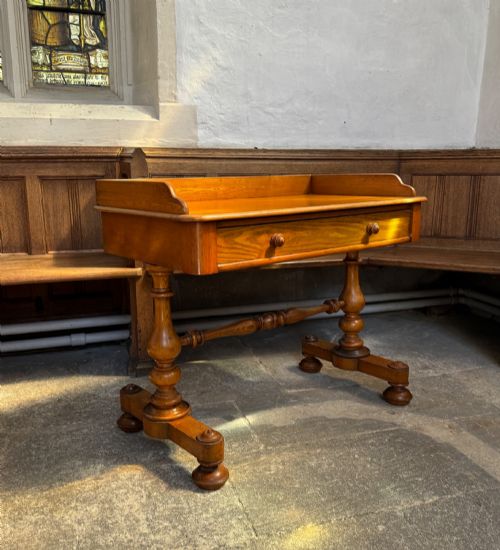
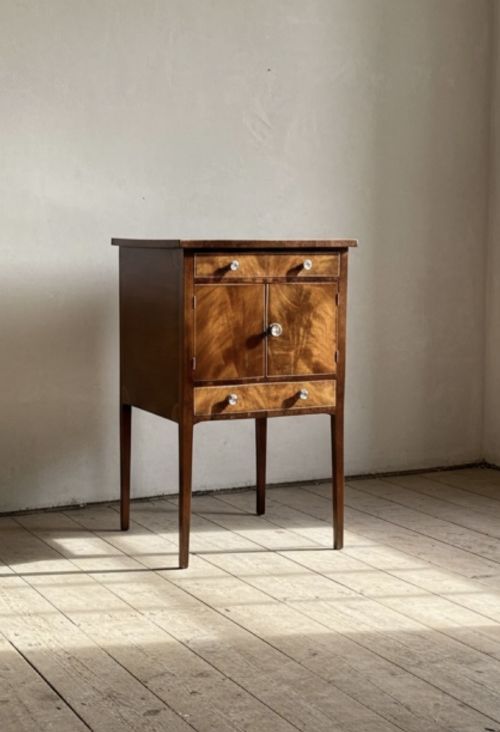
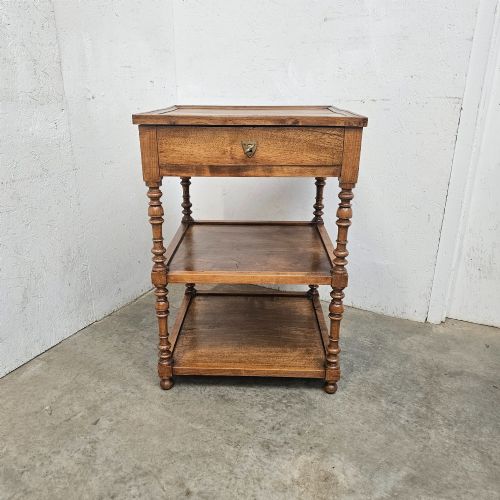
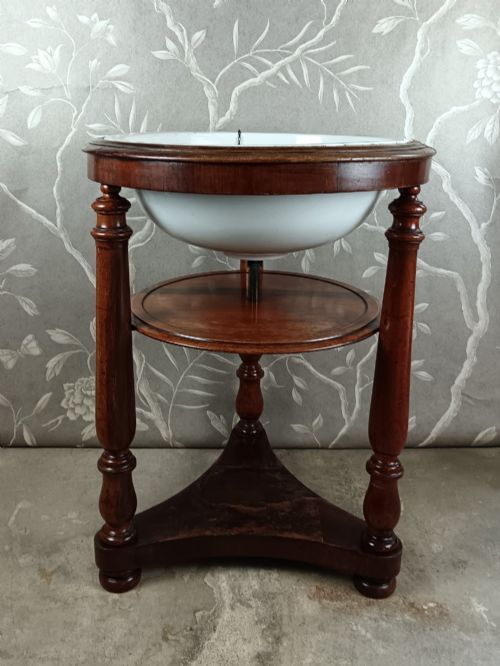
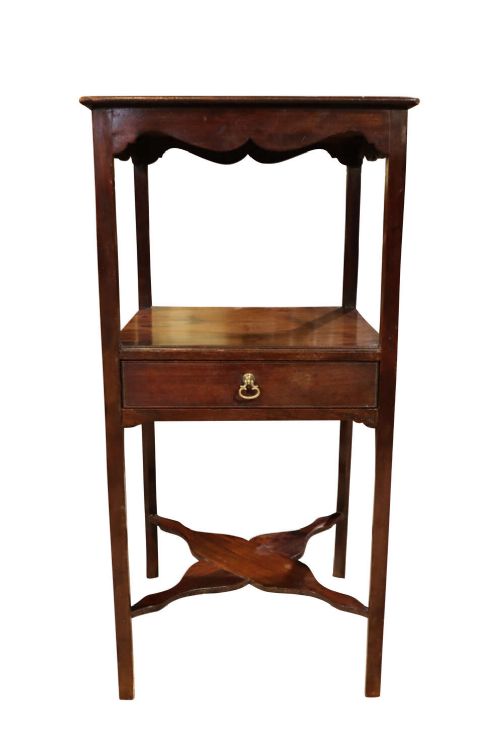
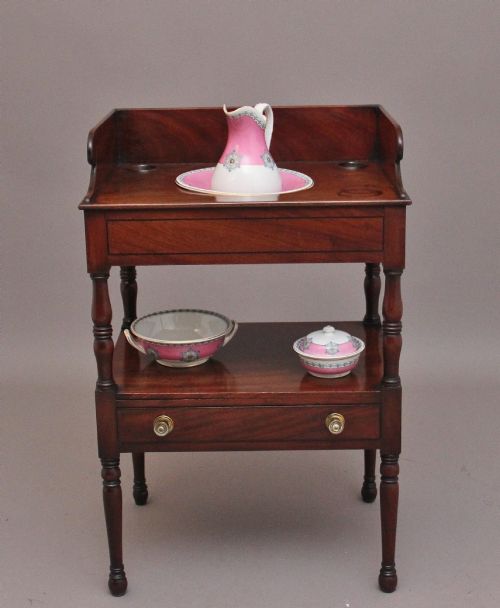
A wooden washstand serves as a traditional bedroom furniture piece originally intended to hold a basin and jug for washing before indoor plumbing became universal. These items span periods from the eighteenth century through the Edwardian era, showing how domestic habits changed over time.
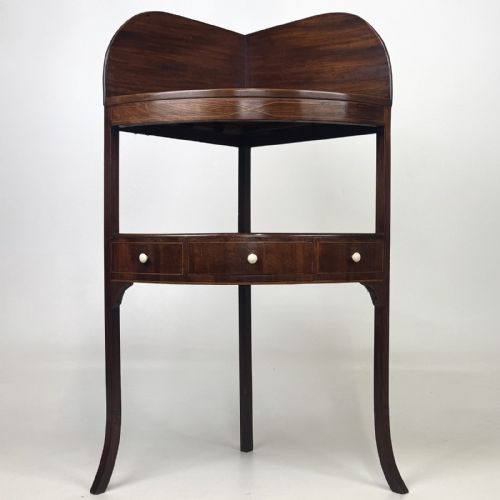
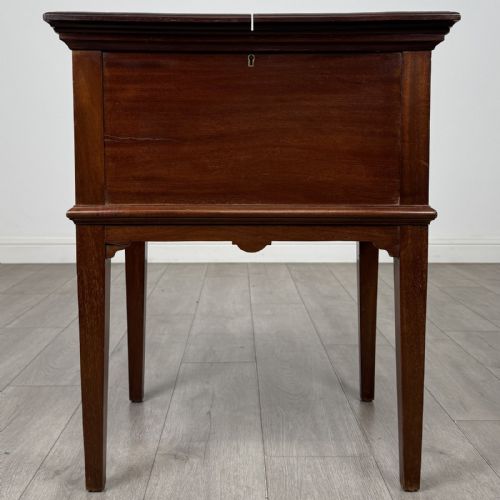
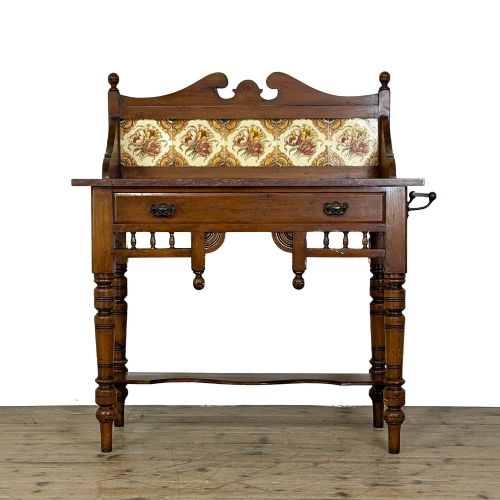
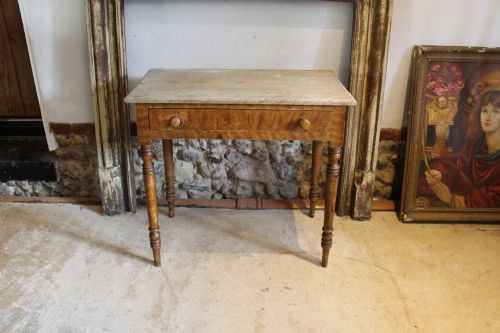
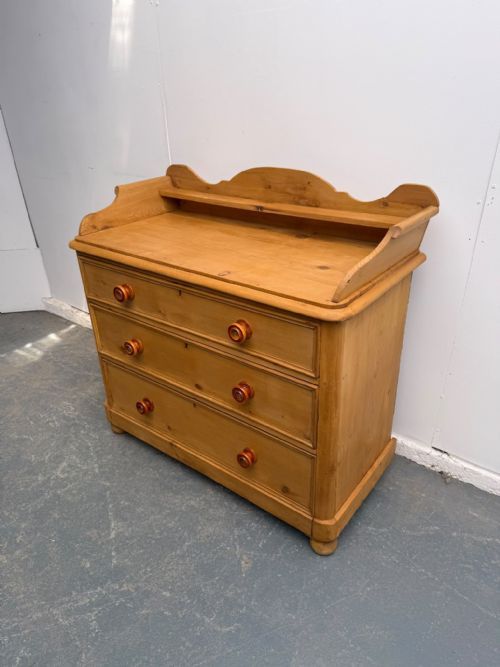
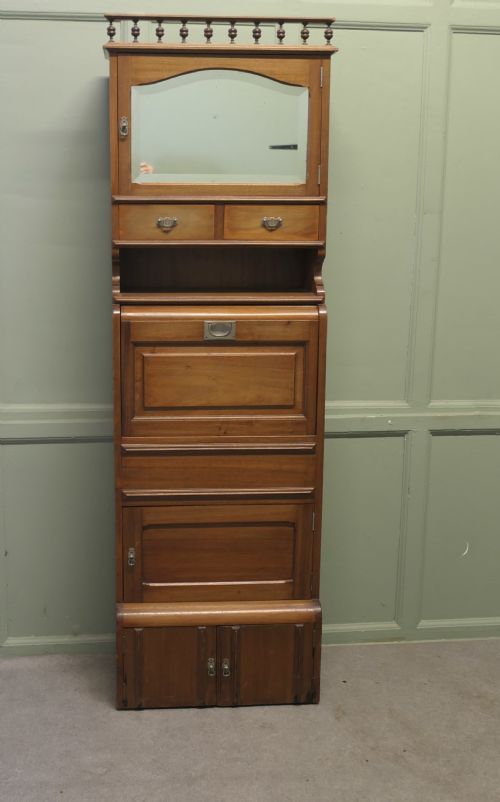
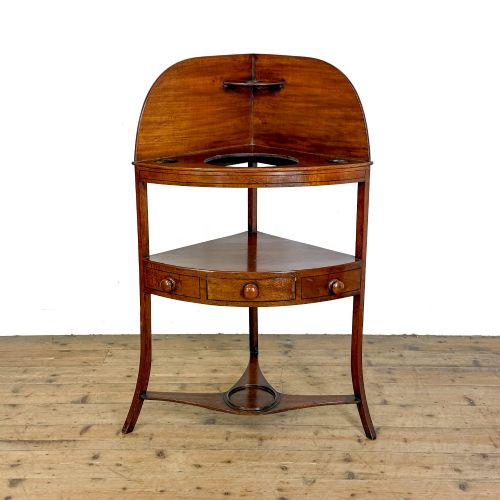
The most common examples on this page are mahogany and pine pieces from the Georgian, Victorian, and Edwardian periods. They appear in various formats, including corner stands, marble-topped cabinets, and simple side tables.
Buyers also encounter campaign variations designed for travel, alongside French provincial styles and specialised pieces like shaving stands. Each form reflects the specific domestic or travel requirements of its original owner.
Materials and construction methods
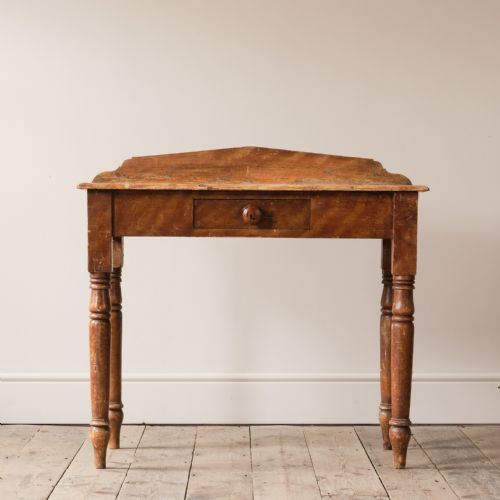
Makers utilised timbers such as mahogany, walnut, oak, and pine to construct these frames, often selecting dense hardwoods for formal rooms and softer pine for utility spaces. Surface treatments range from clear wax finishes to scumble paint, original grain finishes, and painted faux marble.
Insects and damp conditions often affected these functional pieces, meaning construction details like dovetailed joints and original brass fittings indicate the standard of the workshop. Marble inserts appear frequently on later Edwardian tops to provide a water-resistant surface for washing.
Some Edwardian gentlemen's stands even hide compartments once reserved for shaving mugs and stiff collars.
Judging quality and originality
Quality in a wooden washstand depends on the integrity of the timber, the retention of original surface finishes, and the presence of maker details such as stamps. Altered or converted pieces, such as washstands adapted into side tables, differ significantly from examples that retain their original basins, galleries, and internal fittings.
Finer pieces display precise cabinetmaking in their drawer construction and turned legs, whereas rustic pine versions prioritize utilitarian durability over decorative refinement. The presence of original paint or unblemished marble slabs distinguishes well-preserved examples from heavily restored ones.
Gillows Lancaster·James Shoolbred
The Wooden Washstand Glossary
- Washstand
- A piece of furniture designed to hold washing equipment before plumbed bathrooms existed. They often feature tiered tops, splashbacks, or enclosed cupboards.
- Corner stand
- A triangular washstand or table built to fit snugly into the corner of a room. This form saves floor space and appears frequently in Georgian designs.
- Scumble
- A decorative painting technique used to imitate the grain of more expensive wood or tortoiseshell. It creates a patterned glaze over a lighter base colour.
- Campaign furniture
- Portable pieces made for military officers or travellers, often featuring brass corners and folding elements. These items dismantle or compact for ease of transport.
- Gallery
- A low raised wooden rail running along the back and sides of a tabletop to prevent items from rolling off. They are common on eighteenth and nineteenth-century washstands.
Wooden Washstand: Frequently Asked Questions
What is a wooden washstand?
A wooden washstand is a traditional piece of furniture built to support a basin, pitcher, and toiletries for morning washing. These items date primarily from the eighteenth to the early twentieth century.
Today, buyers repurpose them as bedside tables, bathroom storage, or hallway console tables. Their compact dimensions and useful surfaces suit contemporary homes.
How do I tell a Georgian washstand from a Victorian one?
Georgian washstands typically feature lighter mahogany frames, delicate proportions, and often a corner design with a shaped basin cutout. They emphasise formal elegance and fine cabinetmaking.
Victorian and Edwardian versions tend to be heavier, utilising pine, walnut, or oak, and frequently incorporate marble tops and tiled splashbacks to resist water damage. They reflect the industrial production methods of the later nineteenth century.
Can I use a washstand in a modern bathroom?
Many buyers place vintage washstands in modern bathrooms or bedrooms as washbasin surrounds or decorative storage units. Their timber frames add warmth and character to contemporary spaces.
Care should be taken to protect antique wood and painted surfaces from standing water. Using trays and sealing vulnerable areas helps preserve the finish.
What is a campaign washstand?
A campaign washstand is a portable piece designed for military officers or travellers on the move. These items often feature collapsible frames or specialised folding compartments.
Their clever engineering and robust construction make them collectable today. They combine utilitarian durability with compact, practical design.